Last updated November 21, 2026
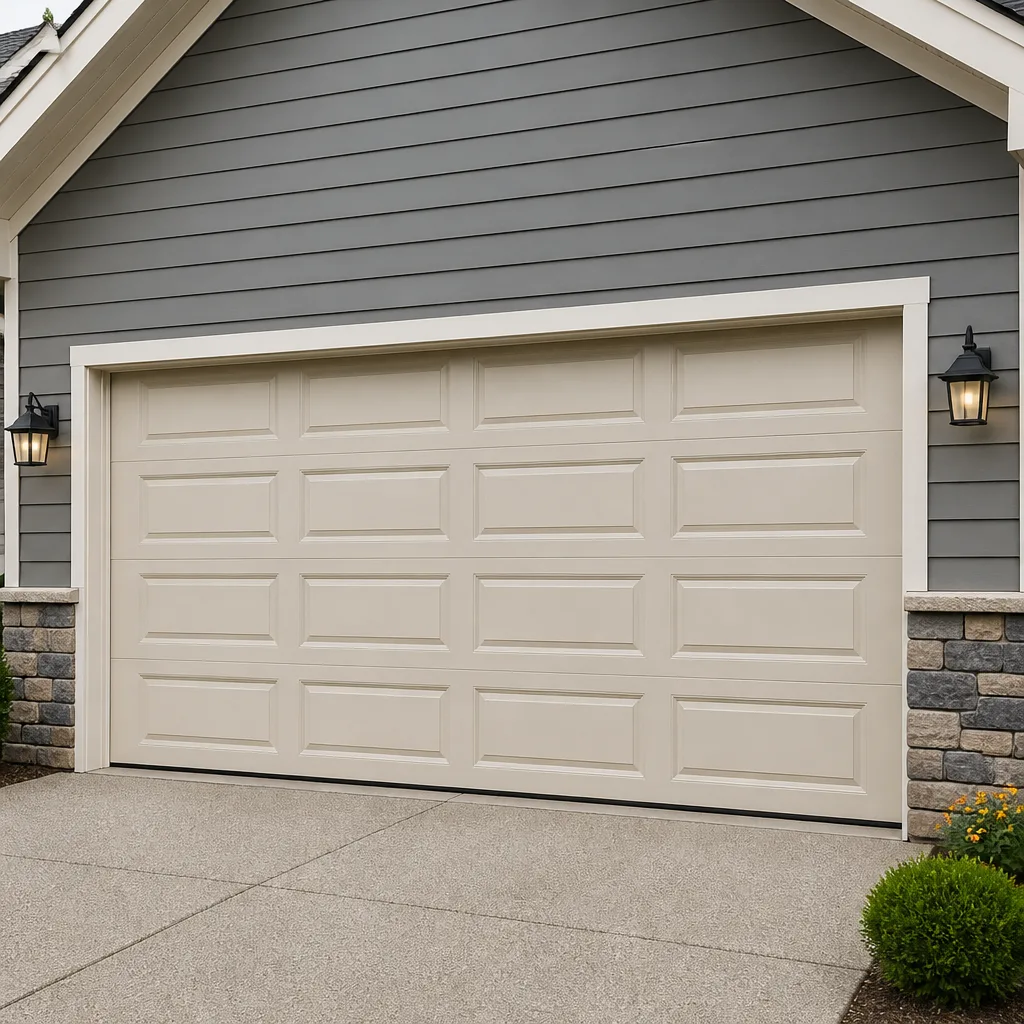 Raised-panel steel
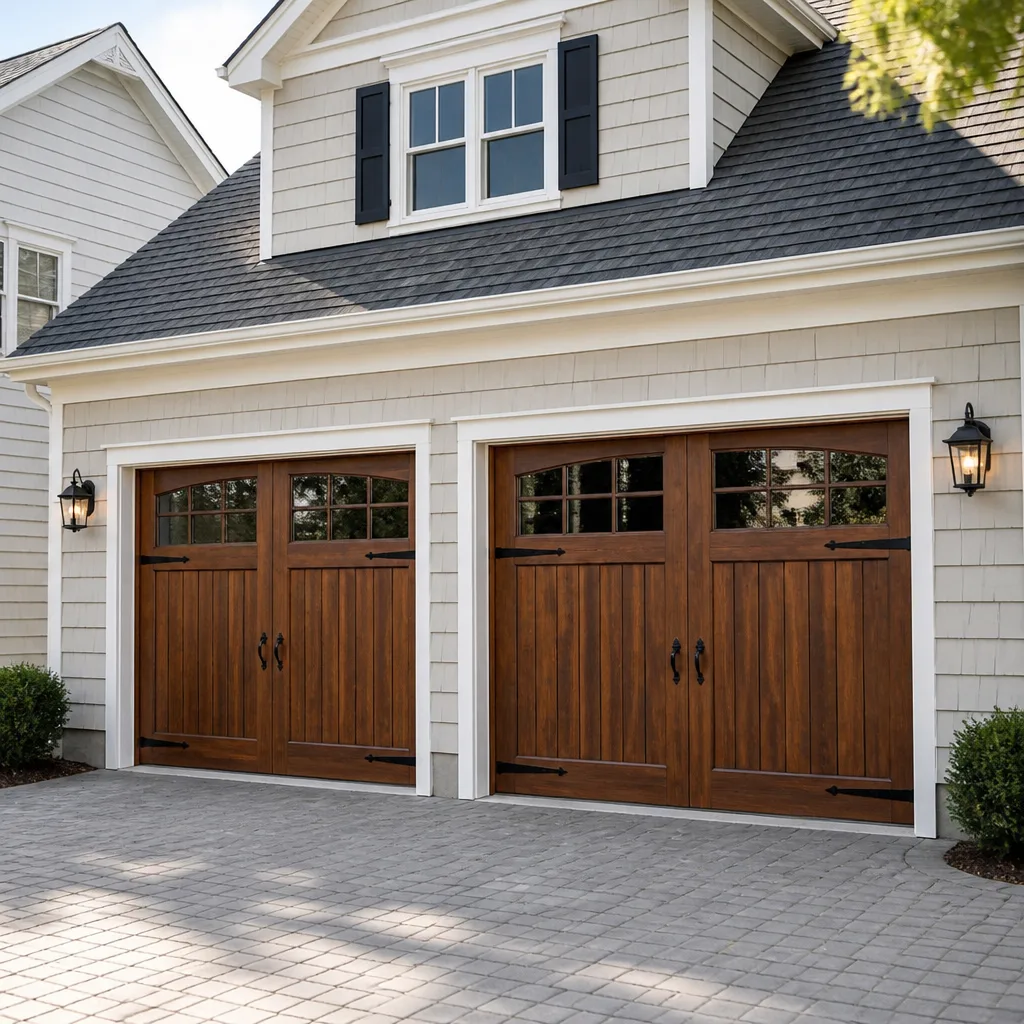 Carriage house
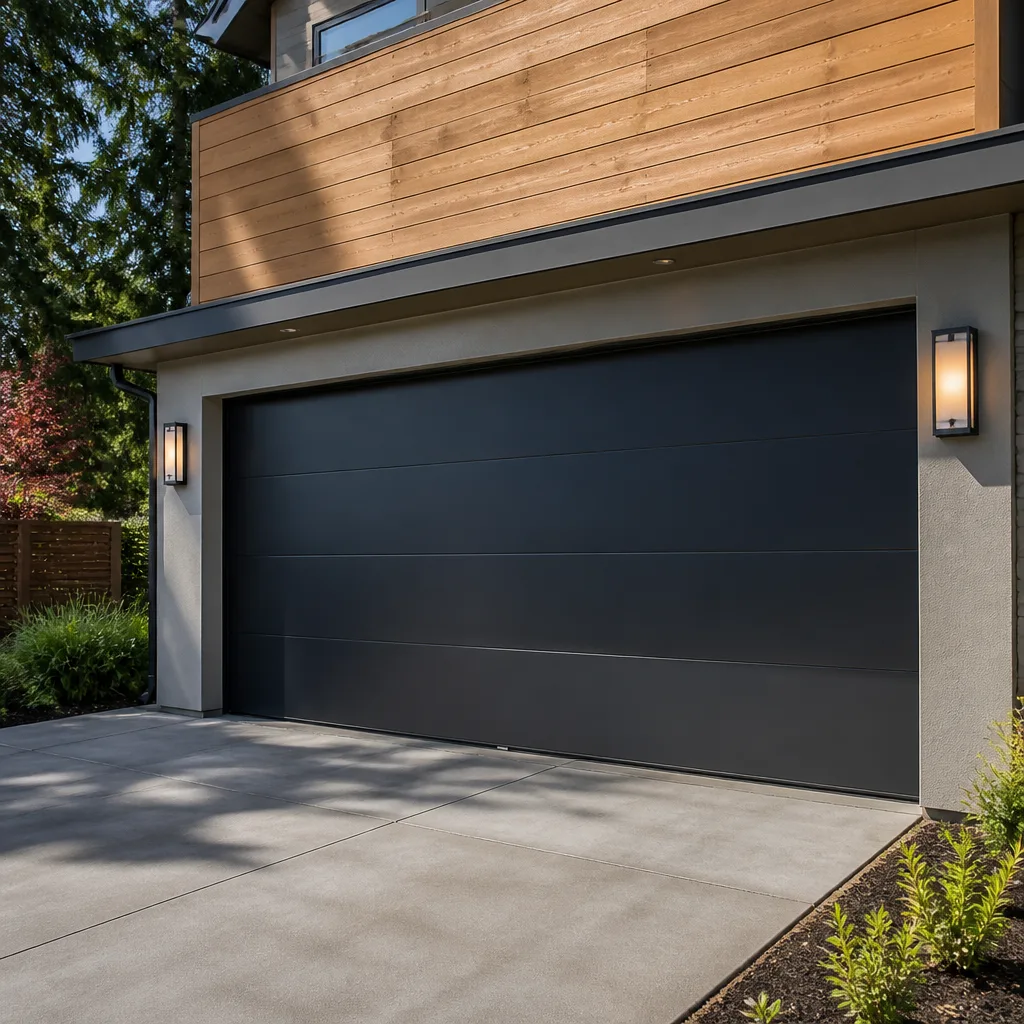 Modern flush
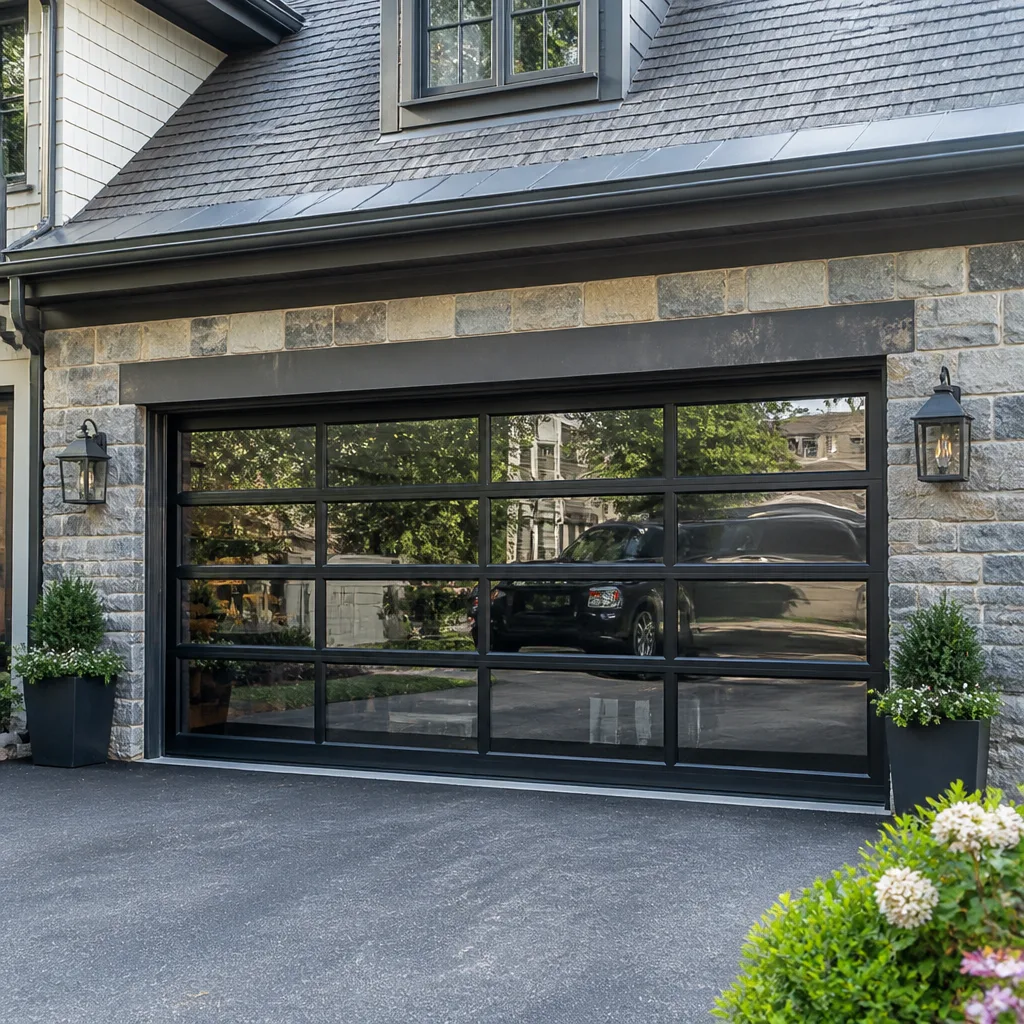 Full-view glass
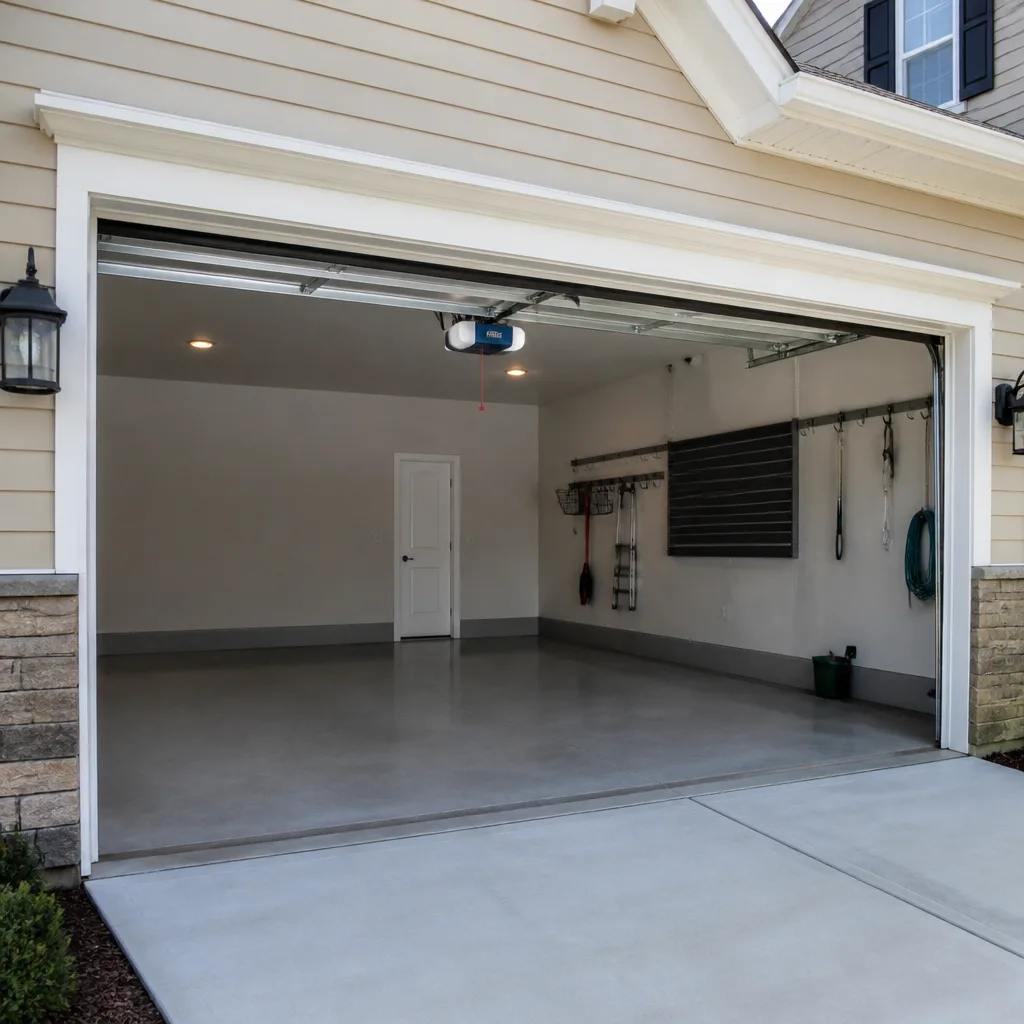 LiftMaster openers
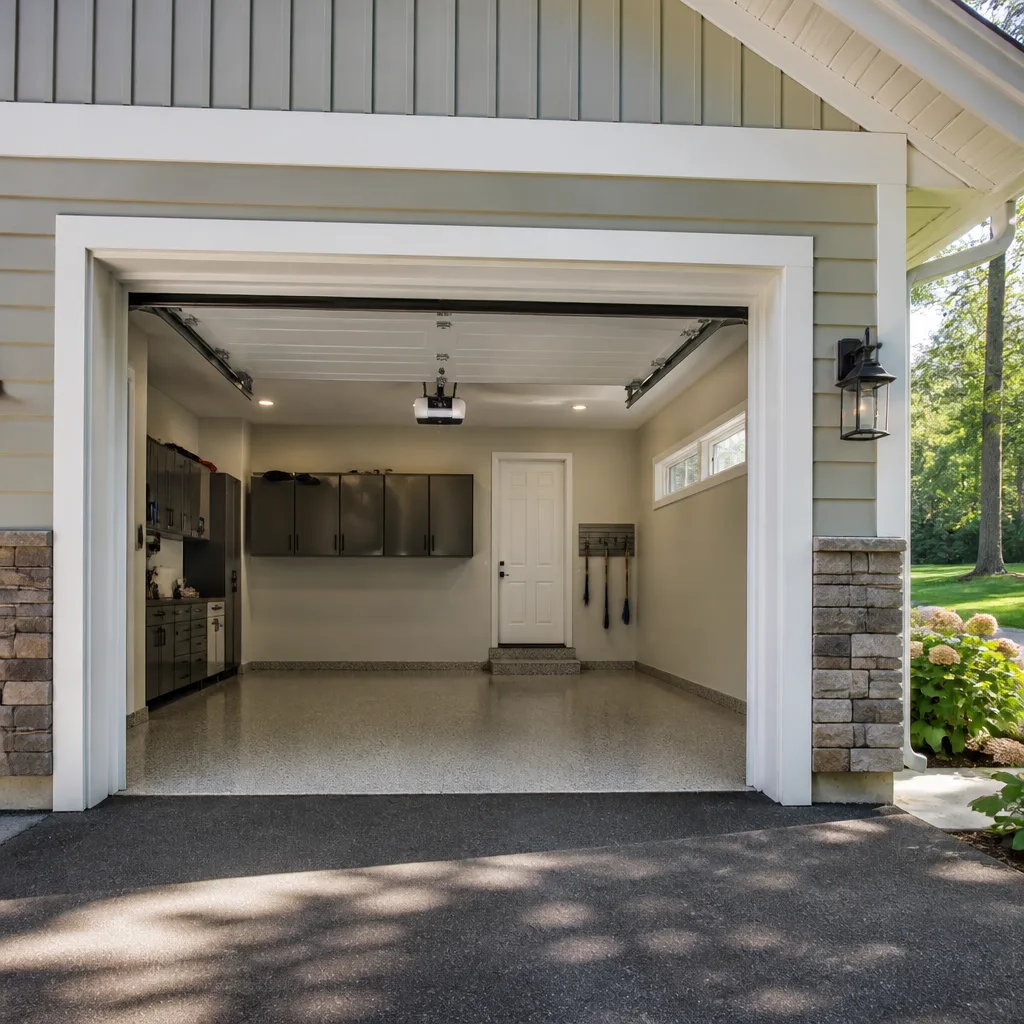 Chamberlain openers
Full 25-point door and opener safety check with every visit - springs, cables, rollers, tracks, and your LiftMaster or Chamberlain opener included
You get a price before we start. It does not change when the pro arrives.
Get your free estimateHow to Hire a Garage Door Contractor in Dayton: A Step-by-Step Guide
Ohio does not require a state-issued license specifically for garage door installation or repair. Read that again, because it changes how you should shop. The person who shows up to adjust the torsion spring holding up your two-car door – a spring under enough tension to cause serious injury if it lets go – may have learned the trade informally, may split their week between gutters and drywall, and may never have worked on a Clopay panel in their life. That’s not a reason to panic. It’s a reason to ask better questions before you hand over a deposit. In this guide, we’ll walk through the exact documents to request, the red-flag language hiding in cheap quotes, how to compare spring ratings fairly, and what a real written warranty looks like. By the end, you’ll know how to vet a garage door contractor in Dayton the way a specialist would.
Quick Answer
To hire a garage door contractor in Dayton, request proof of general liability insurance and workers’ compensation coverage, confirm the business is registered with the Ohio Secretary of State, ask whether they specialize in garage doors or handle them as one of many trades, and insist on a written quote that names specific parts, spring cycle ratings, and a written labor warranty. A legitimate specialist will answer all of this without hesitation. A generalist who planned to “figure it out on-site” usually won’t.
Styles & brands we work with
- Raised-panel steel
- Carriage house
- Modern flush
- Full-view glass
- LiftMaster openers
- Chamberlain openers
Table of Contents
- Why Hiring a Garage Door Contractor in Dayton Is Different
- Step 1: The Documents to Request and How to Verify Them
- Step 2: Tell a Specialist From a Generalist
- Step 3: The Questions That Reveal Real Experience
- Step 4: Red-Flag Language in Quotes
- Step 5: How to Compare Quotes Accurately
- Step 6: Parts Sourcing and Warranty Coverage
- Step 7: What a Written Warranty Should Contain
Why Hiring a Garage Door Contractor in Dayton Is Different
Most home repair trades have a clear paper trail. Electricians carry a state license. Plumbers do too. Garage door work in Ohio sits in a gap – there’s no dedicated state license class for it, so the barrier to entry is essentially a truck and a business card. That’s the core reason this decision deserves more care than hiring a painter.
A garage door is also a system under constant mechanical load. Torsion springs, cables, drums, hinges, rollers, and the opener’s motor and sensors all work together, and a mistake in one part stresses the others. When a general handyman replaces a spring with the wrong wire gauge or winds it to the wrong tension, the door may work for a few weeks before the cables wear or the opener starts straining. The failure shows up later, often after the invoice is paid.
Dayton adds its own wrinkle: temperature swings. Summers push into the high 80s and low 90s, while January routinely drops into the teens and single digits. Metal expands and contracts through that range, and so do the springs. A door that runs smoothly in July can bind and groan in February. A contractor who understands this will check balance and travel limits, not just swap the broken part and leave. That’s the practical difference between a repair that lasts and one that comes back.
Step 1: The Documents to Request and How to Verify Them
Before anyone touches your door, ask for three things: proof of general liability insurance, proof of workers’ compensation coverage, and confirmation of the business’s legal registration. A professional will have all three ready. Here’s how to verify each one rather than take a photo of a certificate at face value.
- General liability insurance. Ask for a certificate of insurance showing the policy is current. Then call the insurer listed on the certificate – the number is printed on it – and confirm the policy is active and the coverage amount. A certificate can be emailed by anyone; a live policy is what protects your home if a panel gets dropped or a door comes off track.
- Workers’ compensation. If a helper is injured in your garage, workers’ comp is what keeps that injury from landing on your homeowner’s policy. Ask for proof and verify it through the Ohio Bureau of Workers’ Compensation. If the contractor works alone and carries no coverage, ask them to say so in writing.
- Business registration. Search the business name on the Ohio Secretary of State’s website. You’re confirming the entity exists, is in good standing, and that the name on the quote matches the registered name. A mismatch is worth a direct question.
- Written scope before deposit. No money should change hands until you have a written estimate that describes the work, the parts, and the price. A contractor who wants cash up front for a repair with no paperwork is a pass.
None of this is hostile. It’s the same diligence you’d apply to a roofer or a furnace installer. A garage door specialist expects it, because they know the trade is loosely regulated and they’d rather be verified than assumed.
Step 2: Tell a Specialist From a Generalist
You can usually sort this out in the first phone call. A garage door specialist talks about your door as a system – springs, cables, balance, opener force settings – while a generalist talks about it as a task on a list. Both may sound confident. Only one has the training.
Here’s what to listen for:
- Do they work on both the door and the opener? A broken door and a straining opener are often the same problem seen from two angles. If a company only handles doors, or only handles openers, you may end up coordinating two contractors for one malfunction. A specialist covers both under one call.
- Do they name the brands they work on? The residential market runs on a handful of manufacturers – LiftMaster and Chamberlain openers, Clopay and Amarr doors, along with Genie, Wayne Dalton, Craftsman, and Raynor. A specialist knows these systems because they see them daily. A generalist often can’t tell you what brand they last worked on.
- Do they treat spring repair as routine or as a referral? Plenty of handymen decline spring work outright, and honestly, that’s the responsible answer for them. Torsion and extension springs store enormous energy, and winding them without the right bars and technique is how serious injuries happen. A company that names spring repair as a standard service is telling you something real about its depth.
- What’s their actual trade? If their van says “handyman” or their ad lists plumbing, HVAC, and garage doors, the garage door work is a side line. That’s fine for a light fixture. It’s the wrong call for a spring.
In our experience, the specialists are also the ones who can tell you, without checking a manual, whether the opener in your garage is a belt-drive LiftMaster or a chain-drive Craftsman – and why that matters for the noise complaint you called about.
Step 3: The Questions That Reveal Real Experience
A confident contractor isn’t the same as an experienced one. These questions move past confidence and into specifics, and the answers are hard to fake.
- “What’s the cycle rating on the spring you’re quoting?” Springs are rated by how many open-and-close cycles they’re expected to survive. A standard spring and a high-cycle spring look similar but are different products at different prices. A specialist will know the rating off the top of their head. A generalist may not know what you’re asking.
- “Are you replacing one spring or the pair?” Springs are usually replaced in matched pairs, because the surviving spring has already taken the same wear. Ask why they recommend what they recommend, and expect a clear reason.
- “Are the parts OEM or aftermarket?” On brand-name systems, original equipment parts matter for fit and, sometimes, for warranty. More on this in Step 6.
- “What happens if the door still isn’t balanced after the repair?” A real answer covers a return visit and a balance check. A vague answer tells you the follow-up wasn’t planned.
- “Is the price on this quote the price I’ll pay?” The written estimate should set the final price, with any possible additions spelled out before work starts. If the answer includes “we’ll see once we get in there,” ask them to put the variables in writing.
- “Can you handle an emergency if the door fails outside normal hours?” A door stuck open leaves your home exposed; a door stuck closed keeps your car hostage. Ask whether emergency garage door service exists, and what the process is. Don’t expect a guaranteed arrival time – expect a clear process.
Six questions, five minutes. The contractor who answers them cleanly is the one you want working on your door.
Step 4: Red-Flag Language in Quotes
The quote itself is a diagnostic tool. The way it’s written tells you whether the contractor plans the job or improvises it. Watch for these signals.
- A single “labor” line with no parts breakdown. A specialist lists the spring, the cables, the rollers, the hinges, and the labor separately. One lump sum hides what you’re actually paying for and makes comparison impossible.
- No brand or part names. “Garage door spring – $X” tells you nothing. “Torsion spring, matched pair, high-cycle” tells you what’s going in your garage.
- No cycle rating on springs. This is the single most useful number on a spring quote, and its absence usually means the contractor doesn’t know it either.
- Verbal warranty promises. “We stand behind our work” is not a warranty. A written labor warranty with a stated term is.
- Pressure to decide today. Garage doors fail on their own schedule, not on a sales calendar. A legitimate specialist will give you a written estimate and let you compare.
- Quotes that skip the door check. A spring replacement without checking door balance, cable condition, and roller wear is solving half the problem.
- No business address or registration. If the only contact is a phone number and a first name, you have no recourse if the work fails.
None of these is automatically disqualifying on its own. Two or three together, though, tell you the contractor is a generalist filling a gap, not a specialist running a system.
Step 5: How to Compare Quotes Accurately
Two quotes for “spring replacement” can differ by hundreds of dollars and still be for the same door – or they can be for entirely different products. Before you compare numbers, normalize the scope. Here’s a simple method.
- Line up the parts side by side. Spring type, cycle rating, cable gauge, roller material, hinge grade. If one quote specifies high-cycle springs and the other doesn’t specify at all, you’re not comparing like for like.
- Confirm one spring versus a pair. A quote for a single spring will look cheaper than a matched pair. Ask each contractor which they recommend and why, then compare on the same basis.
- Check labor scope. Does the quote include balancing, travel-limit adjustment, and a safety check? Those take time, and time is labor. A quote that skips them is cheaper for a reason.
- Compare warranty terms. A part warranty with no labor coverage is worth less than a shorter warranty that covers the install. Put the terms next to each other.
- Ask what happens after the repair. A follow-up visit for adjustment should be described in the quote, not promised on the phone.
The right question isn’t “who’s cheapest?” It’s “what exactly is each contractor putting in my garage, and what happens if it fails?” A Dayton specialist will answer that in writing. When you’re comparing on price, it helps to know what garage door repair typically covers in a standard visit, because a quote that omits setup and balance work isn’t a lower price – it’s a smaller job.
| Quote element | Specialist signs | Generalist signs |
|---|---|---|
| Parts detail | Named spring, cycle rating, cable gauge | “Spring and hardware” |
| Labor scope | Balance check, travel limits, safety test | Spring swap only |
| Spring quantity | States one or a pair, with a reason | Unclear |
| Warranty | Written labor term | “We stand behind it” |
| Door check | Included | Omitted |
Step 6: Parts Sourcing and Warranty Coverage
OEM means original equipment manufacturer – the part the door or opener builder designed for that system. Aftermarket means a third-party equivalent. Both can work. They’re not the same thing, and the difference matters most when something goes wrong.
On a LiftMaster or Chamberlain opener, OEM parts fit the drive system the way the factory intended, and aftermarket gears or logic boards sometimes void the manufacturer’s coverage. On a Clopay door, panel and hinge tolerances are set for the original hardware. An aftermarket hinge that’s a millimeter off can bind, and binding adds load to the opener and the springs. That’s how a small savings turns into a second repair.
Ask each contractor three things:
- Are the parts OEM or aftermarket, and can they put that in writing?
- Does using aftermarket parts affect the manufacturer’s warranty on the door or opener?
- If the part fails inside its warranty period, who handles the claim – the manufacturer directly, or the contractor?
A specialist knows the answer for each brand, because they’re working on those brands every week. If you’re facing a full replacement rather than a repair, brand-level guidance matters even more – garage door installation involves panel, hardware, and opener choices that have to line up, and a contractor who only sells one brand will steer you there whether it fits your garage or not.
Step 7: What a Written Warranty Should Contain
A written warranty is a document, not a sentence. Verbal assurances disappear the moment the contractor’s number stops working. Before you sign off, the warranty should state four things in writing:
- What’s covered: the parts, the labor, or both.
- How long: a stated term for each item.
- What voids it: misuse, a second contractor touching the work, or something else the contractor names.
- How to claim it: the contact, the process, and the expected response.
Labor coverage is the piece most often left out. A part warranty that covers the spring but not the two hours of trained work to install it still leaves you paying for labor if the part fails. Ask for the labor term explicitly. If it isn’t in the quote, ask the contractor to add it before you agree to the work.
On a repair, the warranty should also confirm what was checked at the time – spring tension, door balance, cable condition, and opener force settings. That record is what makes a warranty claim straightforward instead of a phone argument. It’s also the clearest difference between a garage door specialist and a generalist who already moved on to the next job.
Common Mistakes to Avoid
- Hiring on price alone. The cheapest quote is often the one with the smallest scope, not the best deal. A low number that omits balance work and high-cycle spring ratings costs more over time.
- Skipping the workers’ comp check. If a helper is hurt in your garage and the contractor carries no coverage, the claim can follow the property owner. Ask for proof and verify it.
- Accepting a verbal warranty. If it isn’t written, it doesn’t exist after the job. Labor coverage especially needs to be on paper.
- Letting a generalist take the spring job. Spring work is the highest-risk repair in the trade. In our experience, the callbacks from untrained spring work are among the most common repair jobs we see in Dayton.
- Forgetting to ask about the opener. A door repair that leaves a straining opener untouched often produces a second failure. Have the whole system checked at once.
- Not confirming the brand match. If a contractor can’t say whether they’ve worked on your Clopay or Amarr model, ask how they plan to source parts before you agree.
- Ignoring the door’s condition after the repair. A door that still binds, drags, or reverses on its own isn’t fixed. Ask for a balance and safety check before the contractor leaves.
See the difference
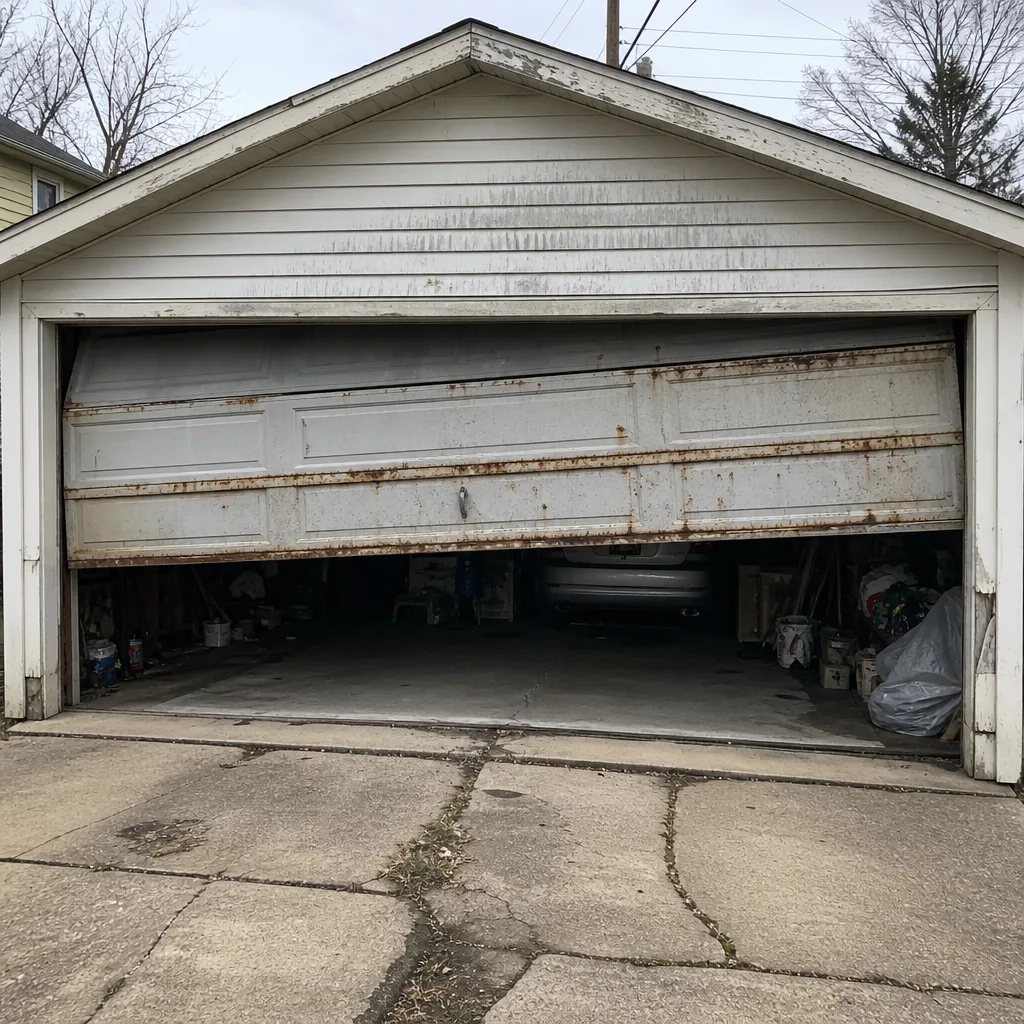 Before
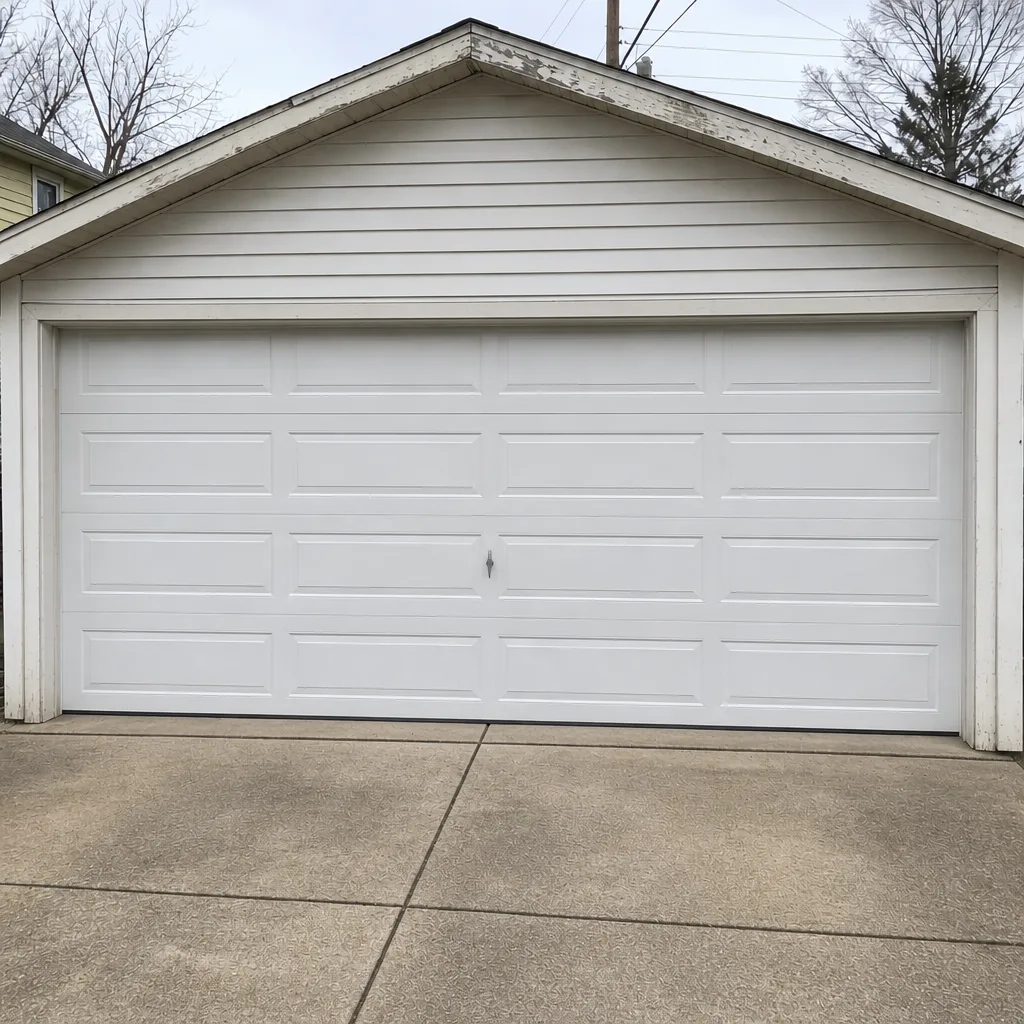 After
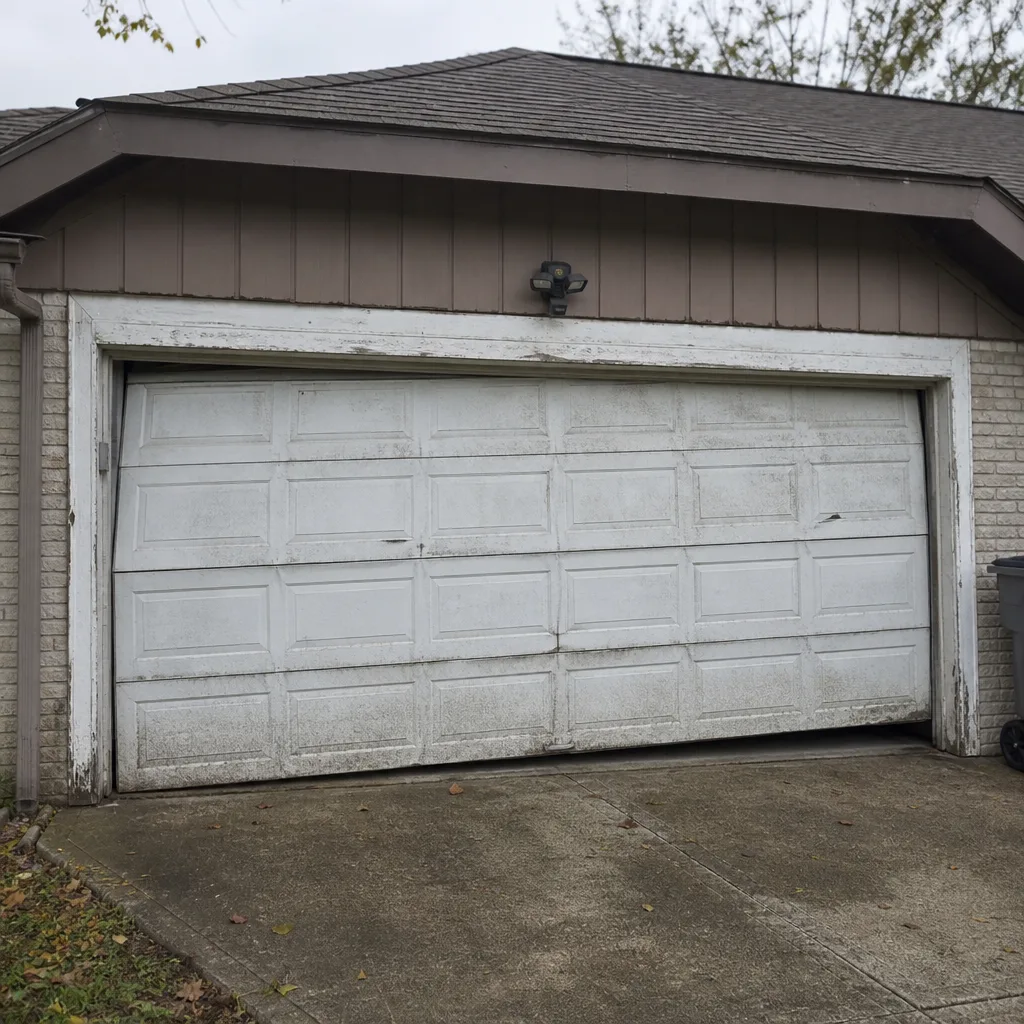 Before
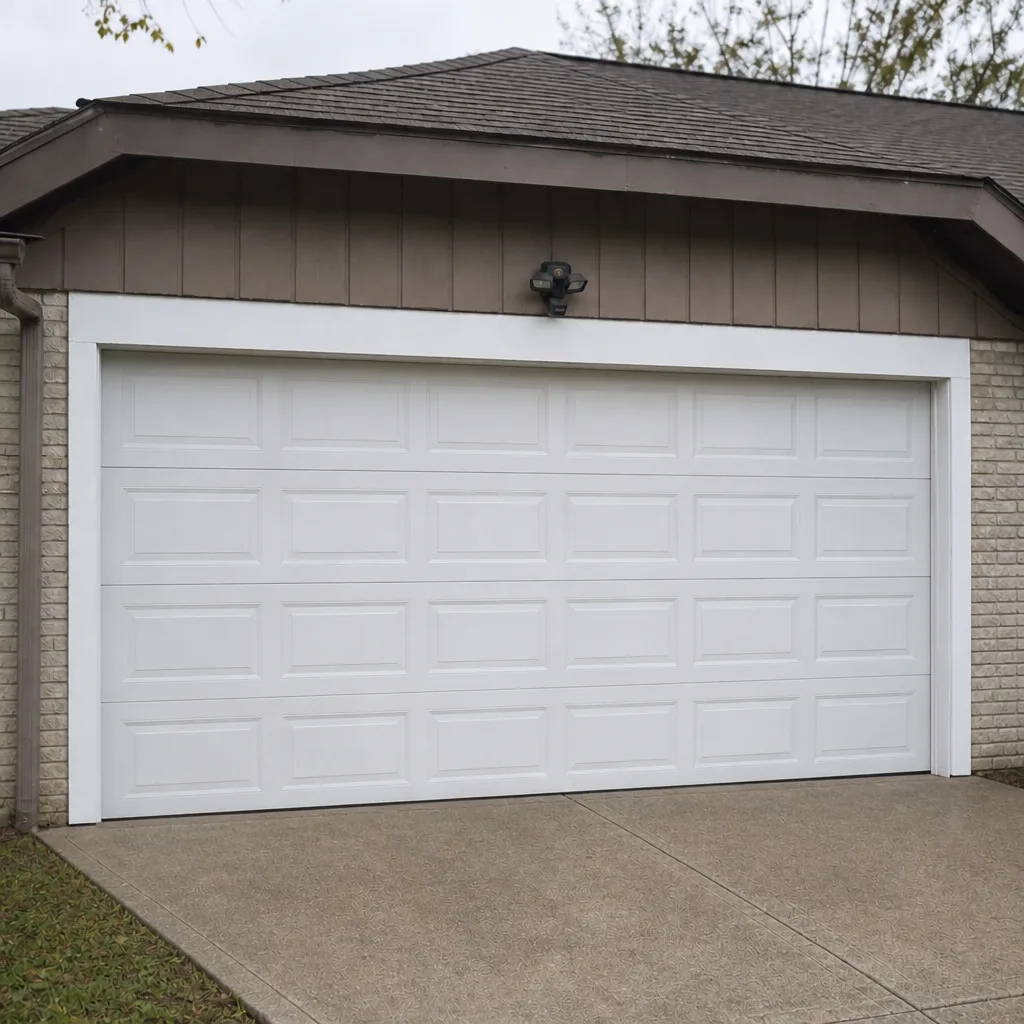 After
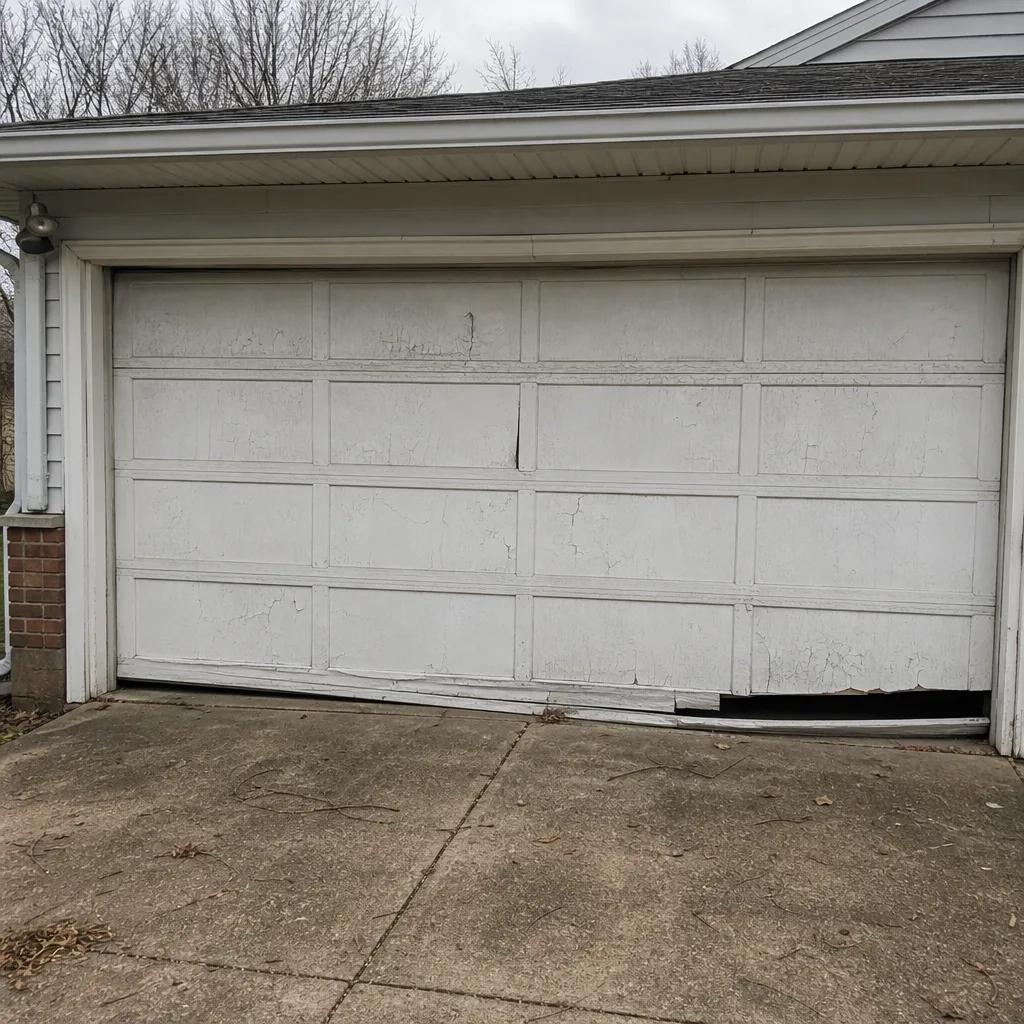 Before
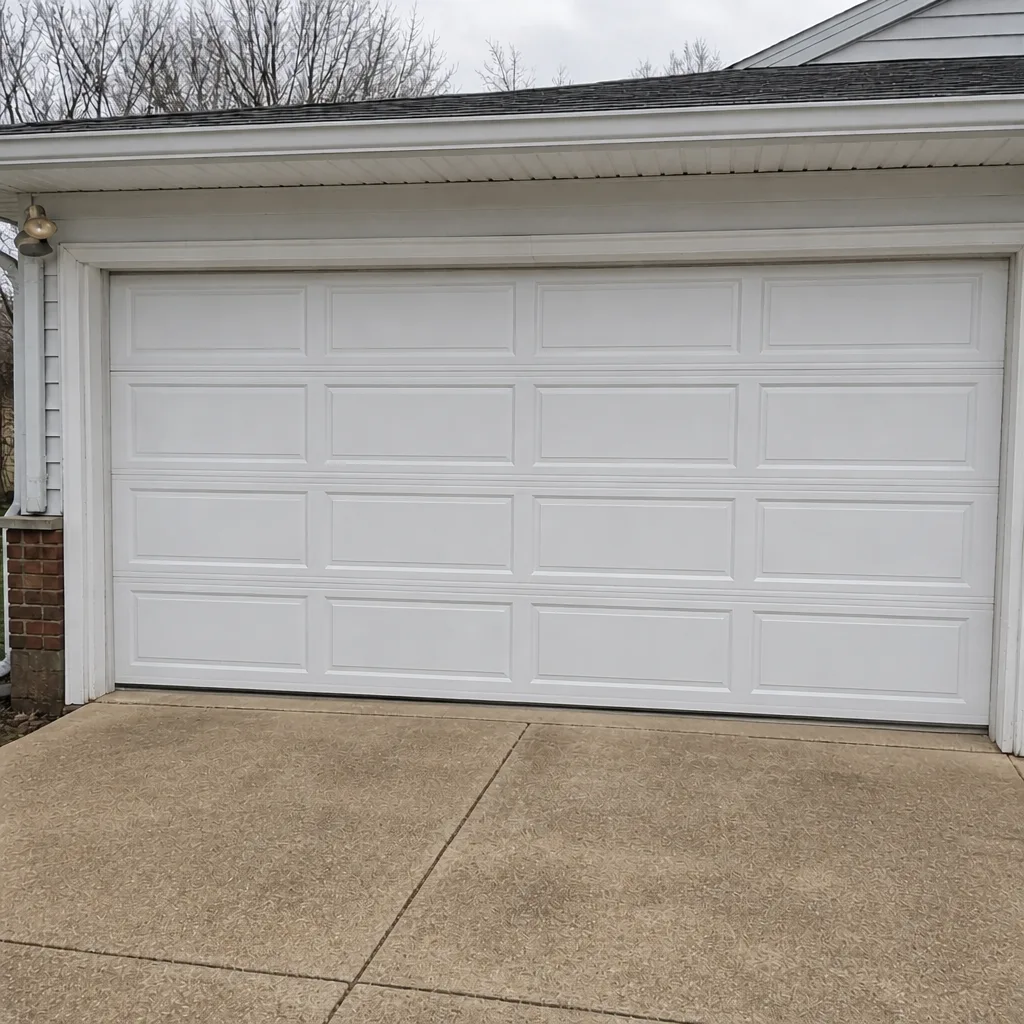 After
When to Call a Professional
Some garage door problems are a conversation; some are a call. Call a professional immediately if a spring has snapped and the door won’t lift, if a cable has come loose or is fraying, if the door is off its track or hanging crooked, or if the opener runs but the door doesn’t move. Those are the scenarios where a trained technician’s tools and experience matter most – and where a well-meaning DIY attempt is genuinely dangerous. If the door is stuck open, your home is exposed; if it’s stuck closed, your car is trapped. Both are reasons to call now rather than wait for the next opening. For routine repairs like a noisy opener, a remote that won’t sync, or a door that reverses before it hits the floor, garage door opener repair is usually a single visit. Dayton Garage Door Repair Co offers free estimates in Dayton – call (877) 704-1590 to get your door looked at properly.
Frequently Asked Questions
No – Ohio doesn’t issue a state license specifically for garage door installation or repair. Because of that, homeowners should verify general liability insurance, workers’ compensation coverage, and Ohio Secretary of State business registration instead. A contractor who can provide all three is operating as a real business and stands behind the work.
Ask what brands they work on and whether they handle both the door and the opener. A specialist names the residential brands they see daily – LiftMaster, Chamberlain, Genie, Clopay, Amarr, Wayne Dalton, Craftsman, and Raynor – and treats spring repair as routine work, not a referral. A generalist usually can’t tell you which brand they last worked on. Call (877) 704-1590 if you’d like a straight answer on yours.
Torsion and extension springs store enough energy to cause serious injury if they’re released improperly. The right tools and training aren’t optional – they’re the difference between a safe repair and a hospital trip. A contractor who declines spring work is being honest about their limits, and that’s worth respecting. A specialist who names it as a standard service is telling you something useful.
A written quote should name the specific parts, the spring cycle rating, the labor scope including balance and safety checks, and the warranty terms for parts and labor. If the quote shows a single “labor” line with no parts detail, ask for a revised version. The written estimate should set the final price before work starts.
For emergency failures – a snapped spring, an off-track door, a door stuck open – many specialists offer same-day emergency service, though arrival timing depends on the day’s schedule. Ask what the emergency process is when you call, and confirm the price before work begins. For routine repairs, a next-day or scheduled visit is common. Call (877) 704-1590 for current availability.
Most specialists recommend replacing springs in matched pairs, because the surviving spring has taken the same wear as the one that failed. A quote for a single spring will look cheaper than a matched pair, so confirm what each quote covers before comparing prices. Ask the contractor to explain their recommendation in writing.
The Bottom Line
Hiring a garage door contractor in Dayton comes down to verification and specificity. Verify the insurance, the workers’ comp coverage, and the business registration. Then demand specificity in the quote: named parts, cycle ratings, labor scope, and a written warranty that covers labor, not just parts. A specialist will give you all of it without being pushed, because they know what’s going into your garage and they’re not guessing. A generalist who planned to figure it out on arrival will stall on the details. When you’re ready to have your door looked at by someone who works on it every day, Dayton Garage Door Repair Co is here for repairs, springs, openers, and installs – one call covers the door and the opener. Call (877) 704-1590 for a free estimate, and get the written price before any work starts.
Written by the team at Dayton Garage Door Repair Co.