Last updated November 21, 2026
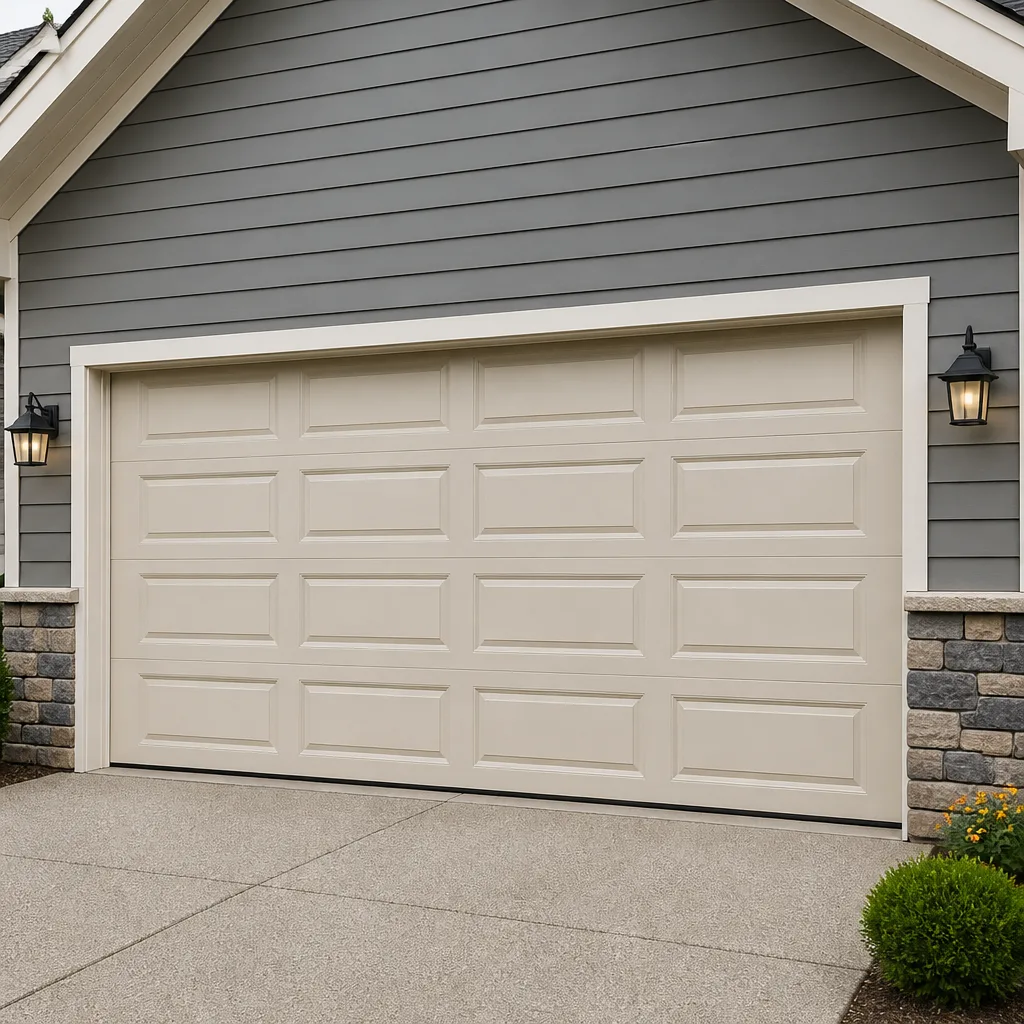 Raised-panel steel
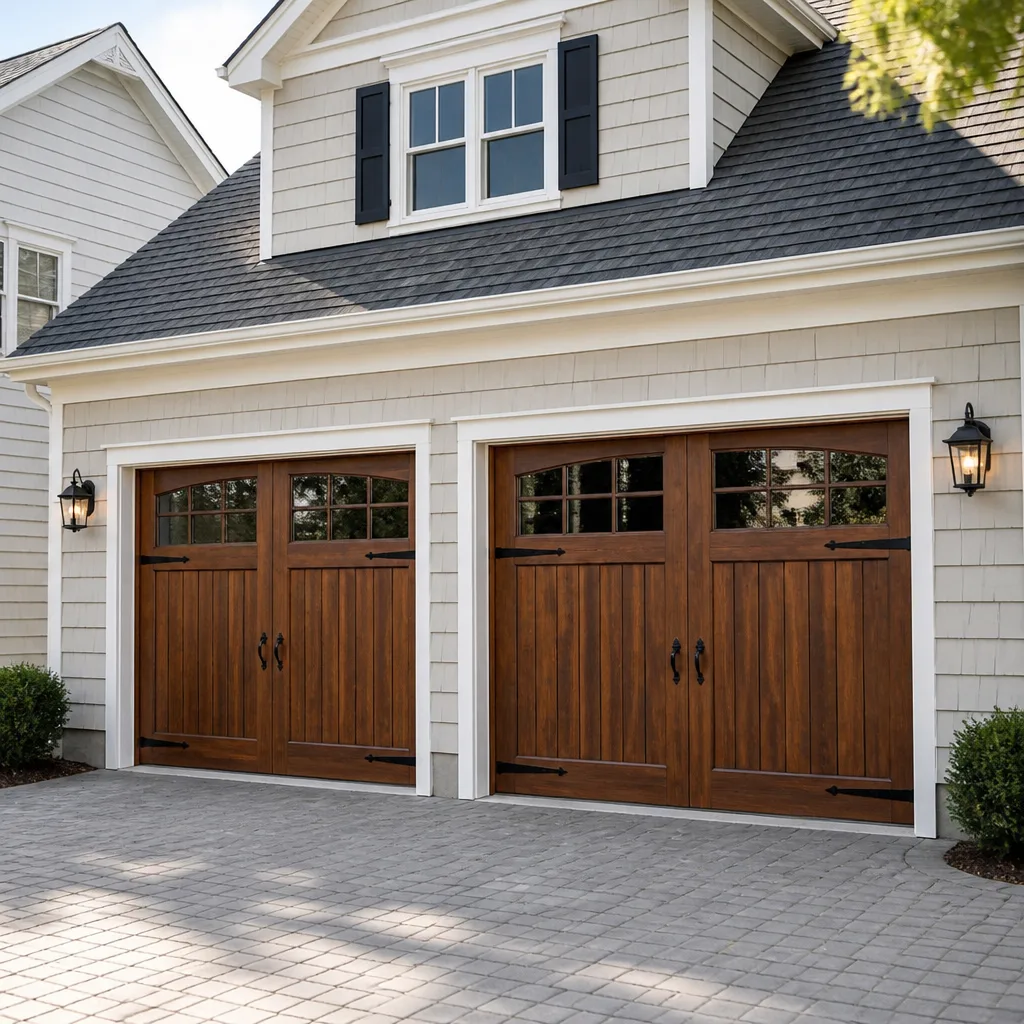 Carriage house
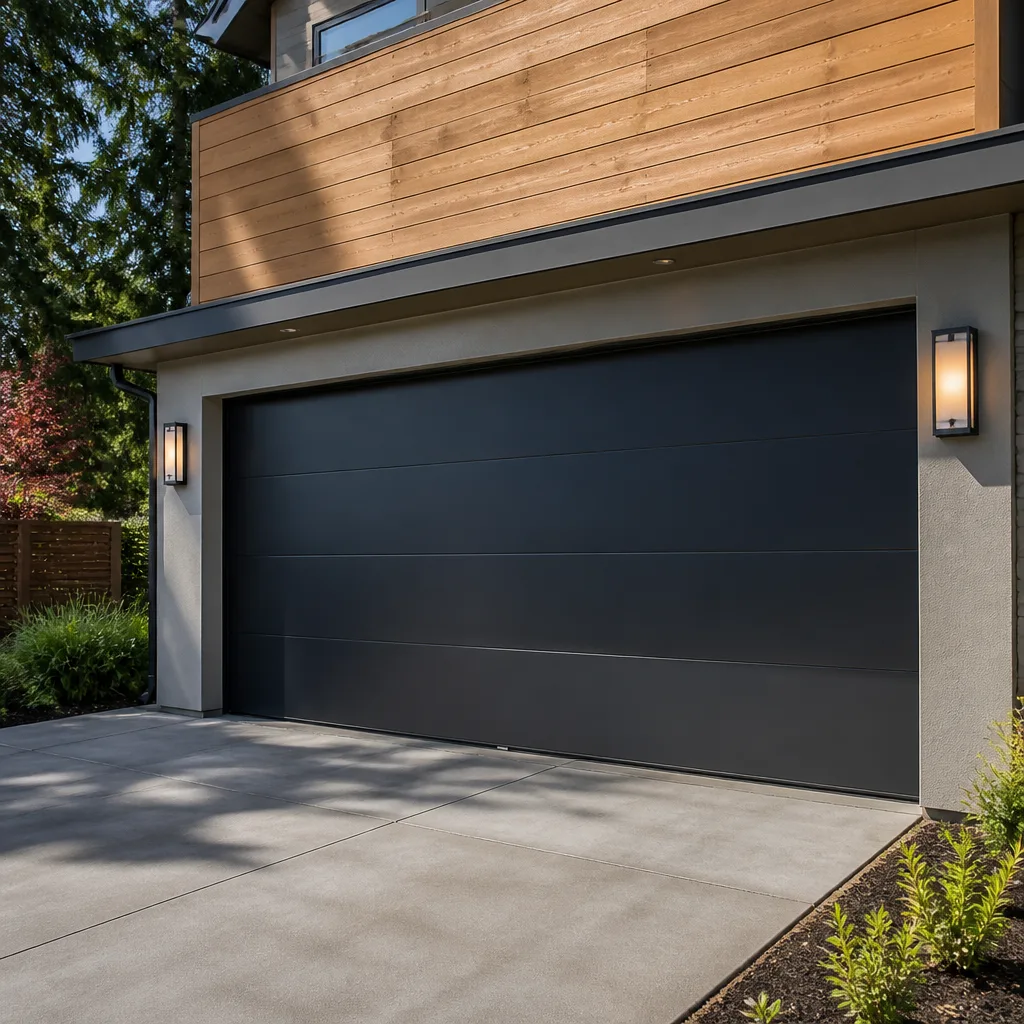 Modern flush
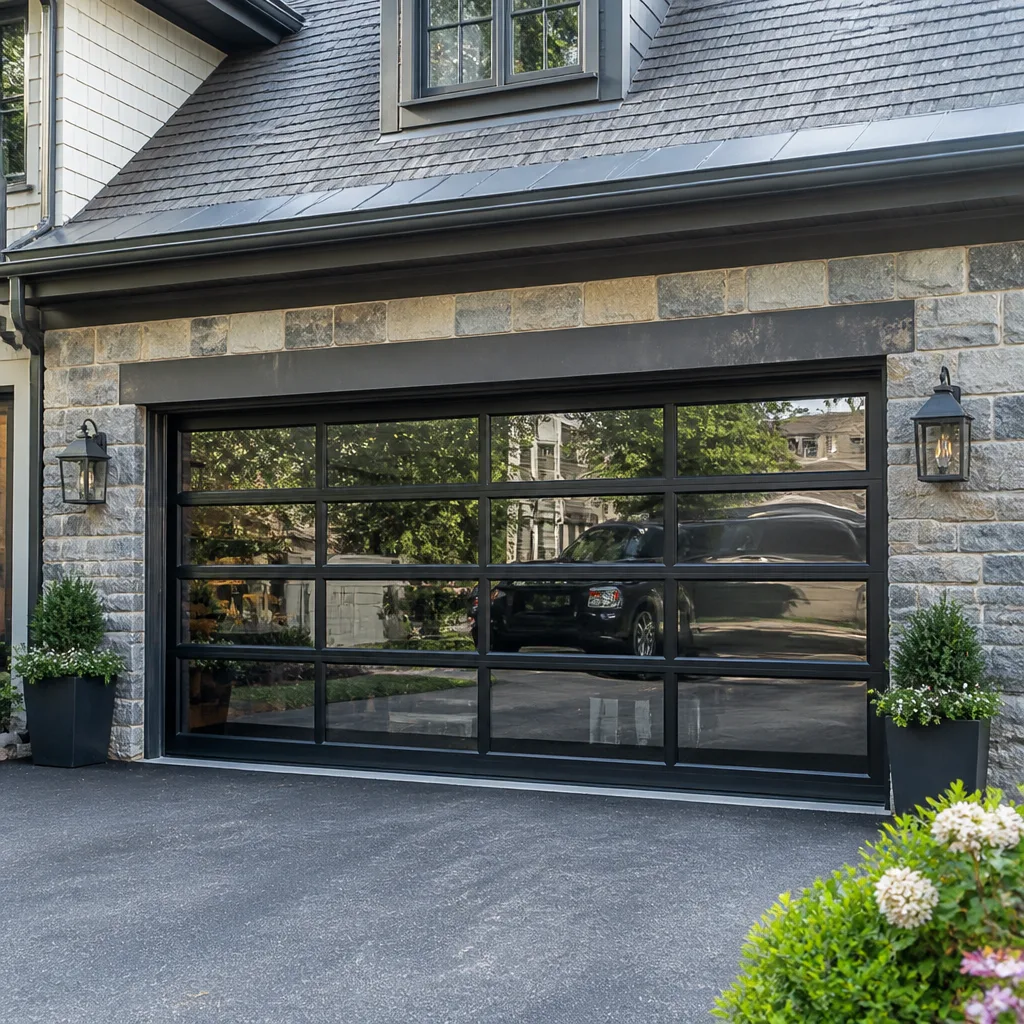 Full-view glass
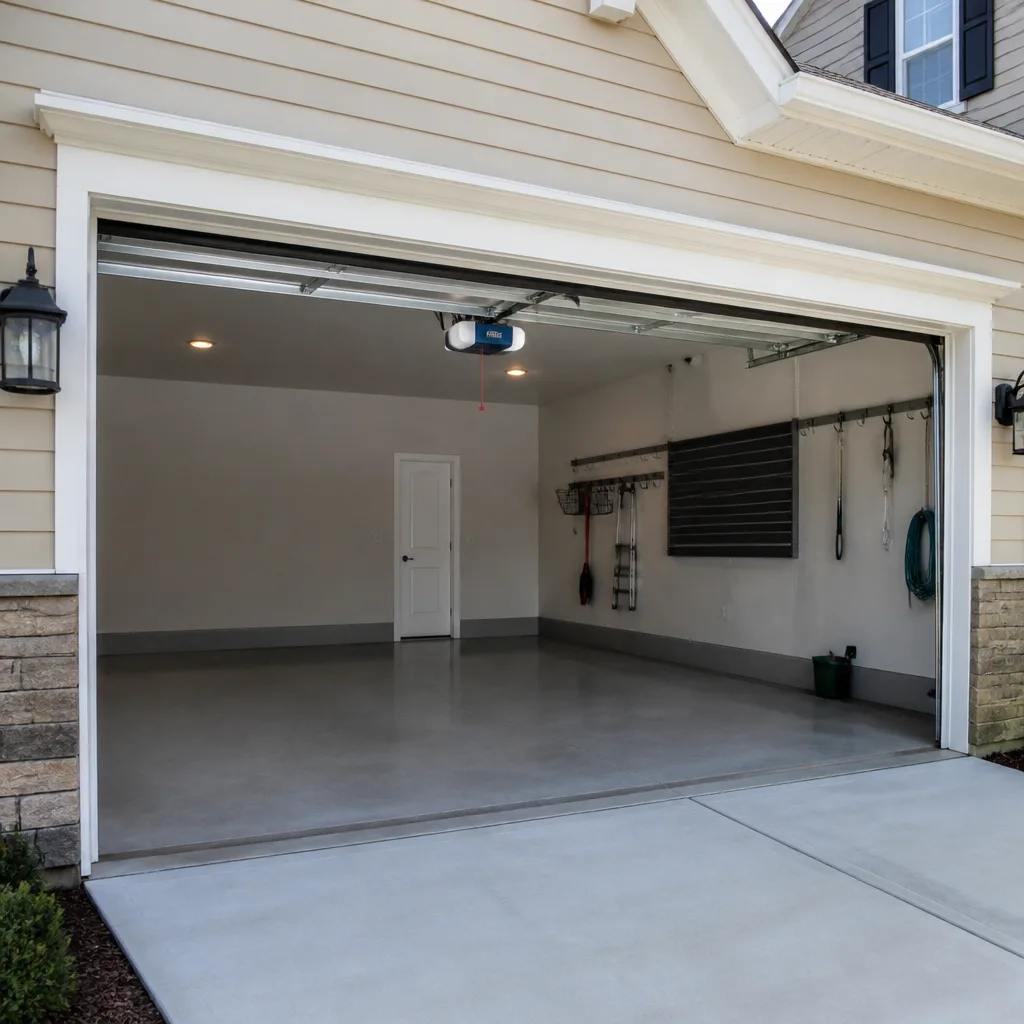 LiftMaster openers
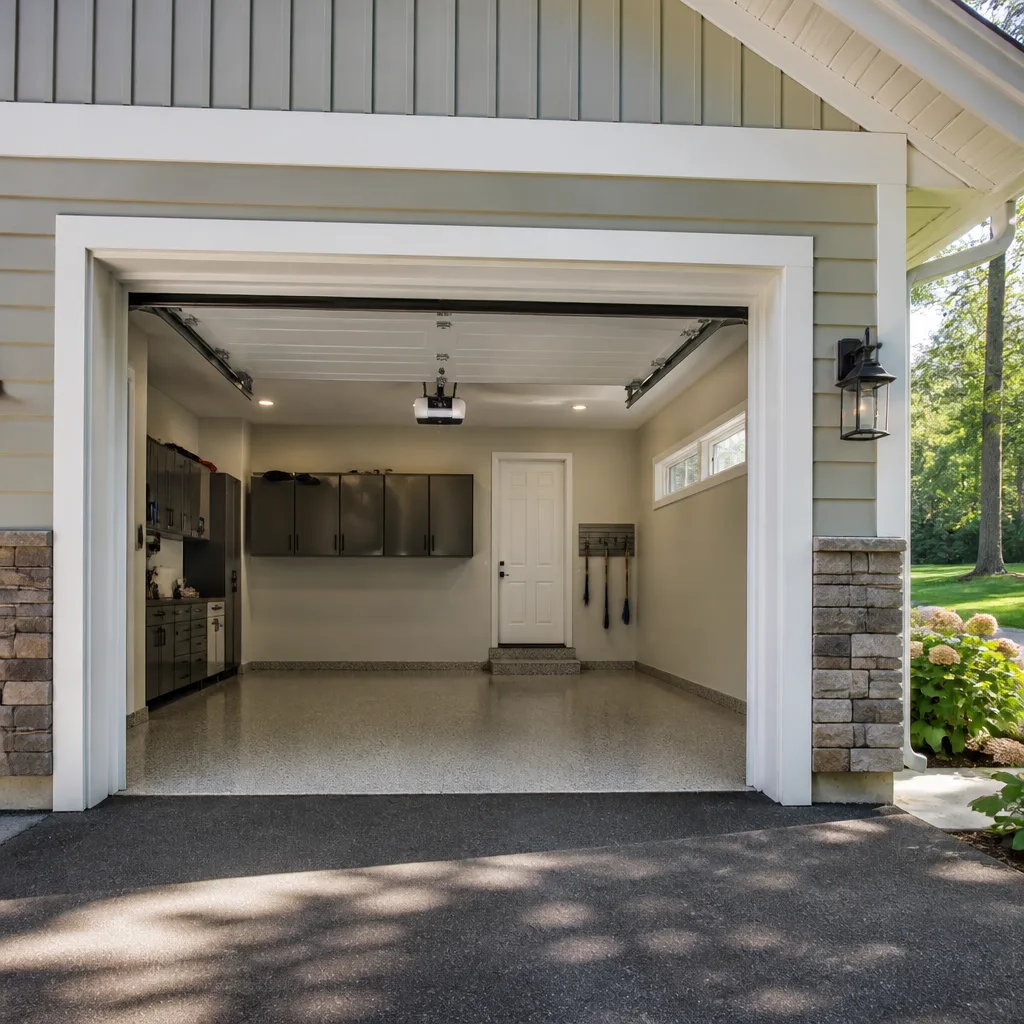 Chamberlain openers
Full 25-point door and opener safety check with every visit - springs, cables, rollers, tracks, and your LiftMaster or Chamberlain opener included
You get a price before we start. It does not change when the pro arrives.
Get your free estimateGarage Door Permits, Codes & Inspections in Dayton, OH: What You Need to Know
A garage door replacement is one of the few exterior projects a Dayton homeowner can finish in a single day and never think about again. That is exactly why the permit question gets skipped. The swap feels routine, the old door comes down, the new one goes up, and the paperwork never enters the conversation. Most of the time nothing happens. But when a claim gets denied after a break-in, or a buyer’s inspector flags work with no record behind it, or someone gets hurt and the question of code compliance lands on the table, the missing permit stops being a technicality. This guide walks through when Dayton and Montgomery County actually require a permit for garage door work, what inspectors look for, and how to keep the whole job clean from start to finish.
Quick Answer
A like-for-like garage door replacement in Dayton typically does not require a building permit when the opening size, header, and framing stay the same. You usually do need a permit when the job changes the rough opening or header, alters the structure above the door, or adds new electrical circuits for an opener. For anything structural or electrical, contact the City of Dayton’s building department or Montgomery County directly before work begins, because permit triggers and fees are set locally and can differ by project.
Styles & brands we work with
- Raised-panel steel
- Carriage house
- Modern flush
- Full-view glass
- LiftMaster openers
- Chamberlain openers
Table of Contents
- When Does a Garage Door Job Need a Permit in Dayton?
- Like-for-Like Swap vs. Structural Upgrade: The Real Dividing Line
- How the City of Dayton and Montgomery County Handle Garage Door Permits
- What Inspectors Actually Check on a Garage Door Job
- Openers, Electrical Circuits, and the Permit Question
- How Unpermitted Garage Work Shows Up in a Home Sale
- Why Dayton Climate Makes Code Compliance Matter More
- Doing It Yourself vs. Hiring a Specialist
When Does a Garage Door Job Need a Permit in Dayton?
The short version: door replacement usually doesn’t, structural change usually does, and electrical work sits in its own category. Below is the practical breakdown we walk Dayton homeowners through before any work gets scheduled.
Jobs that typically do not require a permit
- Replacing a door with one of the same size in the same opening.
- Swapping a LiftMaster or Craftsman opener for a comparable unit on the existing circuit.
- Replacing springs, cables, rollers, hinges, or panels in kind.
- Repainting or refinishing an existing door.
- Replacing weather seals and bottom rubber.
Jobs that typically do require a permit
- Enlarging or shrinking the rough opening (a common move when upgrading to a wider door).
- Changing the header configuration to support a heavier door, or cutting into the framing above the opening.
- Adding a new electrical circuit or outlet for a new opener installation.
- Converting a manual door to an opener-driven door where no circuit exists.
- Structural repairs to the walls or framing around the opening.
We are not the permit office, and permit thresholds are set by the city and county, so treat the lists above as a starting point for a conversation with your building department. Our technicians have up to 10 years of experience and can tell you from looking at your opening whether a job is a straight swap or a structural change worth a call to the city. That distinction is the single most important thing to settle before anyone touches the door.
The building department for the City of Dayton handles permits for property inside city limits. Montgomery County handles unincorporated parts of the county and other jurisdictions outside the city. If your driveway is in a suburb like Kettering, Oakwood, or Huber Heights, your permit office may not be the city of Dayton at all. Confirm with the department that has jurisdiction over your address before you spend any money.
Like-for-Like Swap vs. Structural Upgrade: The Real Dividing Line
Most of the confusion around garage door permits in Dayton comes down to one word: like-for-like. A homeowner hears that “garage doors don’t need permits” and assumes that covers every job. It covers exactly one kind of job, and it covers it well.
What “like-for-like” actually means
A like-for-like replacement means the new door occupies the exact same opening, with the same header, the same jamb, the same floor-to-header height, and the same width. You can go from a Clopay to a Wayne Dalton, or from a steel panel door to an insulated model, and still be in like-for-like territory as long as the opening doesn’t change. This is the standard door replacement, and it’s what most Dayton homeowners actually schedule.
What counts as an upgrade that changes the structure
The moment the opening changes, or the framing above the door changes, you’ve moved from replacement into construction. That includes:
- Going from a single-car door to a double-car opening.
- Adding height so a taller vehicle or RV fits.
- Replacing or sistering the header beam.
- Removing a structural post or wall section near the opening.
- Moving the opening laterally in the wall.
In those cases the work affects the load path above the door and, in some configurations, the structural integrity of the garage wall. That’s what a building department wants a look at. It’s not about the door itself. It’s about the opening the door occupies. If you’re in doubt, ask. A ten-minute call to the City of Dayton’s building department will save you a long conversation later, and a licensed contractor working on structural changes will normally pull the permit for you.
For straightforward replacements, our garage door installation crews work on LiftMaster, Chamberlain, Genie, Clopay, Amarr, Wayne Dalton, Craftsman, and Raynor systems. We look at your opening before the door ships. If there’s a header change or size change in the plan, that conversation happens before anyone schedules a delivery.
How the City of Dayton and Montgomery County Handle Garage Door Permits
Residential garage door permits are usually handled as a minor residential permit. The process is shorter than a full building permit, but it still has steps, and it still takes a few business days to process. Here’s how it generally runs.
- Confirm jurisdiction. Look up whether your address sits inside city limits or in unincorporated Montgomery County. Your property tax record or the county auditor’s site usually settles it.
- Call or check the permit office. Ask whether your specific scope (opening size change, header work, new electrical) requires a permit. Get a name and a direct line if possible.
- Gather what the office asks for. That typically includes a simple site plan, a description of the scope, and sometimes a basic drawing of the header or opening change.
- Submit the application. Many jurisdictions take residential permit applications online, and most take them in person at the counter.
- Pay the fee. Residential garage-related permit fees are modest, and they are set by the local jurisdiction. Ask the office for the current fee at the time you apply, because fee schedules change.
- Schedule the inspection after the work is done. Some jurisdictions require an inspection at a rough-in stage before the finished door goes on, and others inspect only after completion. Ask which applies to your scope.
For timeline, expect the permit itself to take a few business days to process in most cases. Inspection scheduling is typically separate and can add a few more days depending on how booked the inspectors are. That timeline matters during a home sale or a storm-driven repair push, when inspection calendars fill up. Build the paperwork into the plan along with the delivery date of the door.
We can’t pull a permit for you; only the property owner or a licensed contractor of record can do that. What we can do is tell you whether the job you’re planning is likely to need one, so you know to call the city before we schedule. That’s part of our garage door repair walkthrough on any job that touches the opening, not just the door.
What Inspectors Actually Check on a Garage Door Job
A garage door inspection isn’t a long visit. Residential inspectors are checking that the work matches the permit and that the structure and safety details hold up. Here is what they focus on.
Structural checks
- Header size and condition, especially on a new or widened opening.
- How the header ties into the surrounding framing.
- Jamb construction and whether it’s anchored properly.
- Whether the finished opening matches the approved drawing.
Safety and operational checks
- The door balances and stays put when opened partway.
- The springs, cables, and hardware are correctly sized for the door weight.
- Track alignment and roller wear.
- On an opener-driven door: the photo-eye sensors at the bottom of the track, the auto-reverse function, and the emergency release.
- Whether the electrical circuit for the opener is properly wired and grounded.
How to prepare for the visit
- Clear the garage floor so the inspector can walk around the door.
- Have the permit paperwork visible or at hand.
- Make sure the opener is powered and the sensors are unobstructed.
- Test the door by hand a few times so you know how it feels before the inspector tries it.
- Note any questions you have in advance so you don’t forget them.
If your inspection fails, it’s usually for something addressable in a single visit: a sensor that’s slightly out of alignment, a header that needs a little more blocking, a permit scope that’s broader than what was built. Correct the issue, reschedule, and you’re done. The important thing is not to leave a red-tagged inspection sitting unresolved while the door is in daily use.
Openers, Electrical Circuits, and the Permit Question
Electrical work is the second common permit trigger on garage door projects, and it’s the one most homeowners miss. The door itself may be a straightforward replacement. But if the opener needs a new outlet, or a circuit is being added, or the wiring is being extended, that’s electrical work, and in most Ohio jurisdictions electrical permits are separate from building permits.
When the opener triggers a permit
- A new dedicated circuit is being added for the opener.
- A new outlet is being installed specifically to power the opener.
- Existing wiring is being extended, rerouted, or replaced in the garage.
- Any panel modification is involved to make room for the new circuit.
When it does not
- Replacing an opener with a compatible unit on an existing, working outlet.
- Replacing remotes, wall controls, or sensors without touching wiring.
- Replacing a battery backup or the safety reverse kit on an existing opener.
If your opener swap is a direct replacement, our garage door opener repair work usually finishes on the existing circuit. If the job needs anything new electrically, we’ll flag it before scheduling so you can talk to your building department and a licensed electrician at the same time. A specialist knows the difference between an opener swap and an electrical modification, and it’s a difference that gets glossed over when a generalist shows up on-site.
A note on the safety side: electrical panels, new circuits, and anything that touches the panel are not DIY territory for most homeowners. If the plan involves running a new line from the panel to the garage ceiling, hire a licensed electrician. Garage door work itself rarely needs electrical panel access, but when it does, that part of the job belongs to someone trained for it. Safety-coded work deserves a professional every time.
How Unpermitted Garage Work Shows Up in a Home Sale
This is where the permit question stops feeling optional. A home sale is the single most common moment when unpermitted garage work surfaces, and it usually surfaces at the worst possible time – after the offer is accepted and the inspection is done.
What sellers should know
- Disclose any structural or electrical changes made to the garage, even if a permit was not pulled.
- Keep the permit paperwork if you have it. A file folder with the original permit and inspection sign-off goes a long way.
- A buyer’s inspector will typically flag a header that looks recently altered, a circuit that isn’t labeled at the panel, or an opening that’s been resized without documentation.
- If the work predates you, say so. You’re not responsible for a previous owner’s paperwork, but you do need to answer honestly.
What buyers should know
- Ask for permit records on any garage door or opening work that looks recent.
- Look for signs of an opening that’s been resized: fresh drywall patches on the inside jamb, mismatched header materials, or a door that doesn’t fill the opening cleanly.
- Have the door system checked by a specialist before closing, especially on a home where the opener is older or the springs look original.
The consequence is rarely dramatic. Most of the time, an unpermitted door swap gets noted and doesn’t hold up a sale. The problems come from the structural and electrical cases – a header that was changed without review, an opener circuit wired in without a permit. Those are the ones that can prompt a buyer’s request for a re-inspection, a request for a credit, or in rare cases, a reconsideration of financing. The paperwork is cheap. The conversation it prevents is not.
For a broader checklist of what to look at before closing, our Dayton Garage Door Repair Co site covers the pre-purchase door inspection in more detail. It’s the same one we walk through with buyers who want a specialist’s opinion before signing.
Why Dayton Climate Makes Code Compliance Matter More
Dayton sits in a part of Ohio that swings hard between seasons. Summers run humid and hot enough to soak a wood door frame, and winters bring freeze-thaw cycles that work on every exterior joint of your garage. That climate reality has a direct effect on whether code compliance matters to your door.
Freeze-thaw and structural work
An opening that was resized or re-headed without a permit and proper review is more likely to show problems over a few winters than it would in a milder climate. Water gets into joints, freezes, expands, and pushes. A header that was slightly undersized or poorly blocked will telegraph that weakness faster in Dayton than it might elsewhere. That’s not a reason to skip the permit on a straight swap. It’s a reason to be stricter about paperwork on any structural change.
Summer humidity and electrical
Garage electrical work lives in a humid space. A circuit added without permit or proper inspection is more likely to fail over time, and a failed circuit in a garage is a fire risk. The inspection piece is what gives you confidence that the wiring was checked before the door went on.
Seasonal timing
Spring replacements tend to cluster in the fall and early winter here, when the temperature drops and metal fatigue catches up with springs that have been cycling all summer. That’s also when inspection calendars get busy. If your job needs a permit, get the application in early in the season. Door installation and structural work are scheduled, measured, and ordered, not rushed. The permit timeline runs alongside.
Doing It Yourself vs. Hiring a Specialist
Some garage door tasks are safe for a homeowner with basic tools. Some are not. This is not a case where the permit conversation can substitute for the safety conversation, so it’s worth being direct about which is which.
Reasonable DIY tasks
- Replacing a bottom weather seal.
- Lubricating hinges, rollers, and springs (with the door closed).
- Replacing a remote battery or re-pairing a remote.
- Straightening a slightly bent track section with the door fully open and the opener disconnected.
- Repainting an existing steel door.
Tasks that belong to a specialist
- Torsion spring replacement. These springs are under extreme tension and can cause serious injury if a homeowner tries to release them without the right tools.
- Cable replacement. Same tension risk.
- Any work on the header, jamb, or framing above the door.
- Panel replacement on a door that has gone out of balance.
- New opener installation, especially if a circuit is involved.
- Any structural change to the opening.
Torsion and extension spring repair is one of the most technically demanding and safety-critical jobs in this trade. Many general handymen decline spring work, and that’s the right call. If your springs are failing – the door feels much heavier than usual, the door slams down rather than lowering smoothly, or you hear a loud snap from the garage – stop using the door and call a specialist. Do not try to release or adjust the springs yourself.
Our garage door repair service covers the full repair spectrum, including spring work, and we arrive with the tools and the experience for it. Our technicians have up to 10 years of experience, and we work on the door and the opener under one service call, so you don’t need to coordinate two trades for one problem.
Common Mistakes to Avoid
- Assuming “no permit needed” covers every garage door job. It covers like-for-like swaps, not structural or electrical changes. Ask the city about your specific scope.
- Pulling the door before confirming the header. If the opening is being resized, the permit and the structural review need to happen before delivery, not after the old door is off.
- Skipping the electrical permit on a new opener circuit. The building permit and the electrical permit are usually separate documents in Dayton and Montgomery County.
- Discarding permit paperwork. The permit and inspection sign-off belong in your home file. They’re the first thing a buyer’s inspector asks for.
- Scheduling an install during a home sale without checking inspection timelines. Inspection calendars fill up seasonally in Dayton, and the timeline can extend past a closing deadline if it’s scheduled late.
- Treating spring work as a DIY project. Torsion springs are under extreme tension and cause serious injuries when handled without the right tools. This is not a permit problem – it’s a safety problem.
- Not flagging a structural change on disclosure. If you altered a header or resized an opening, disclose it at sale even if no permit was pulled. The disclosure protects you from a bigger conversation later.
See the difference
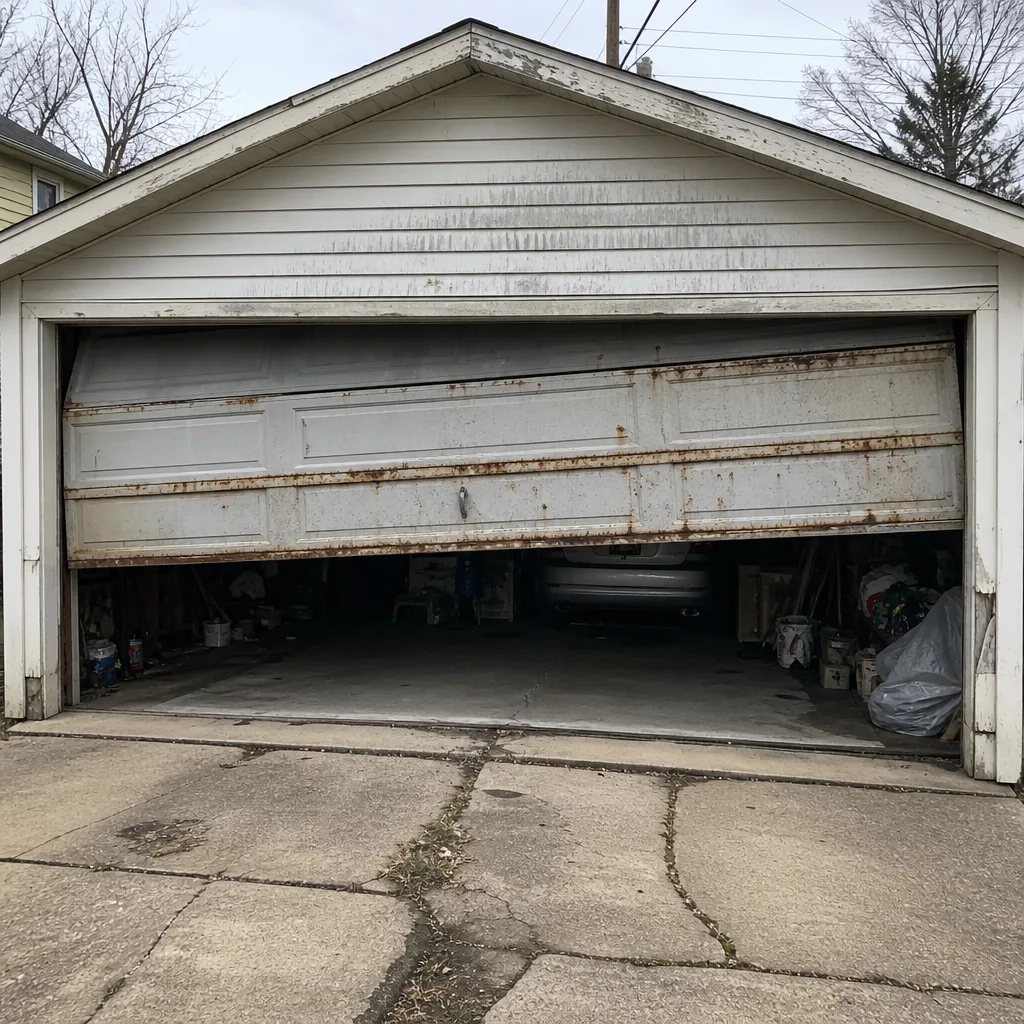 Before
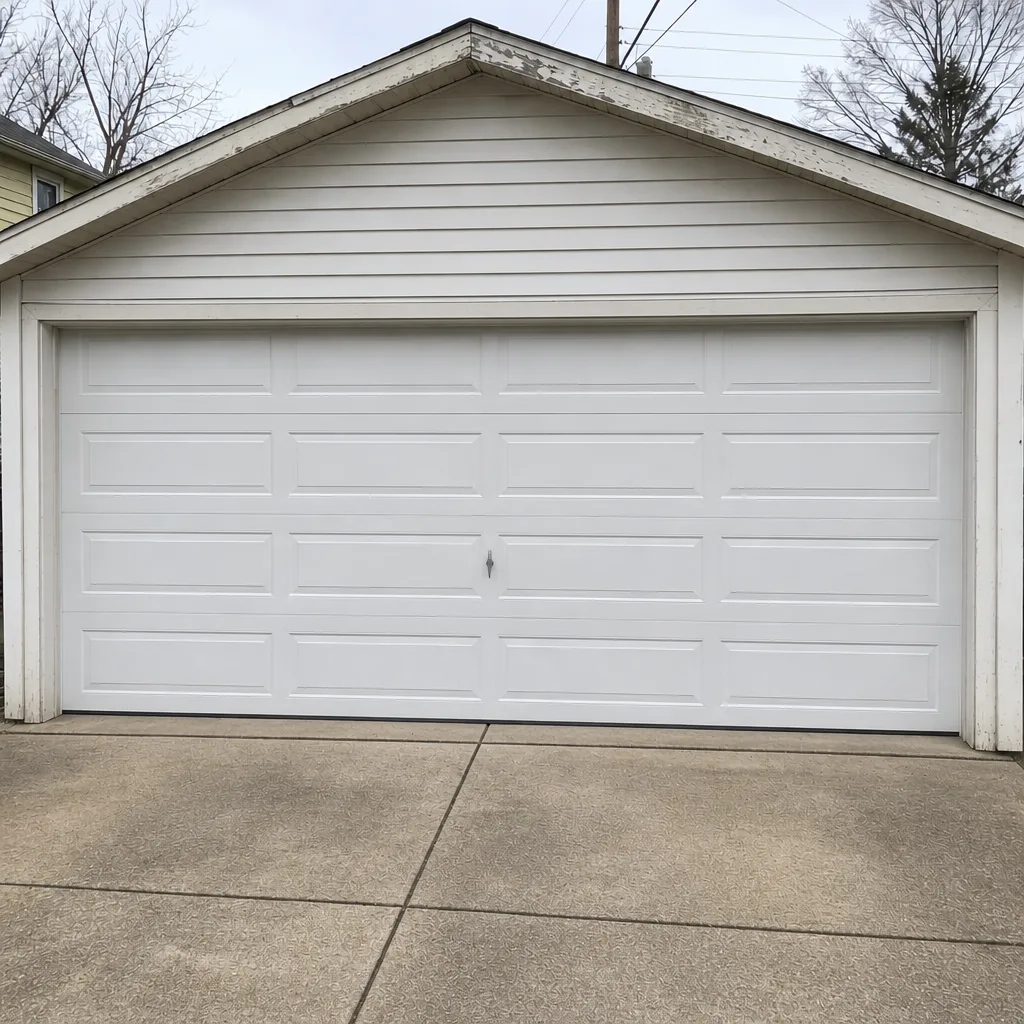 After
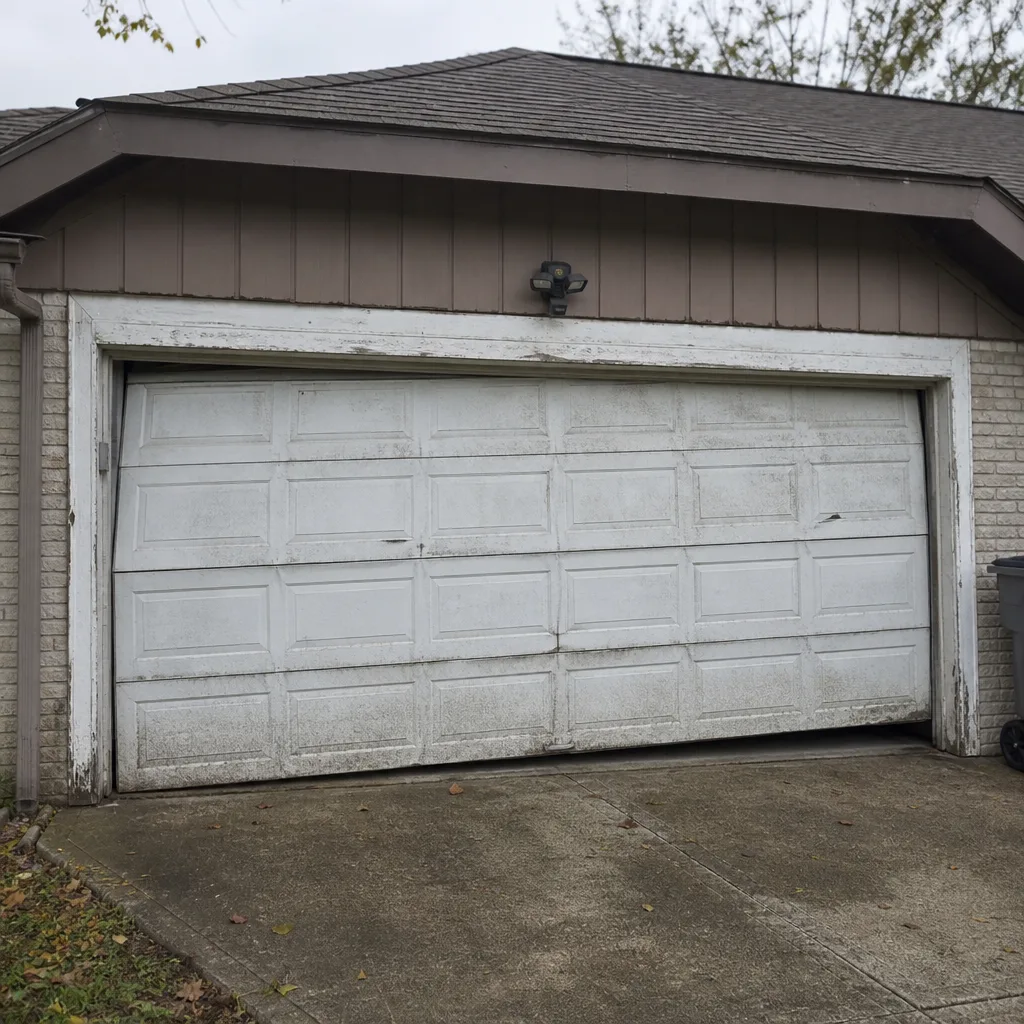 Before
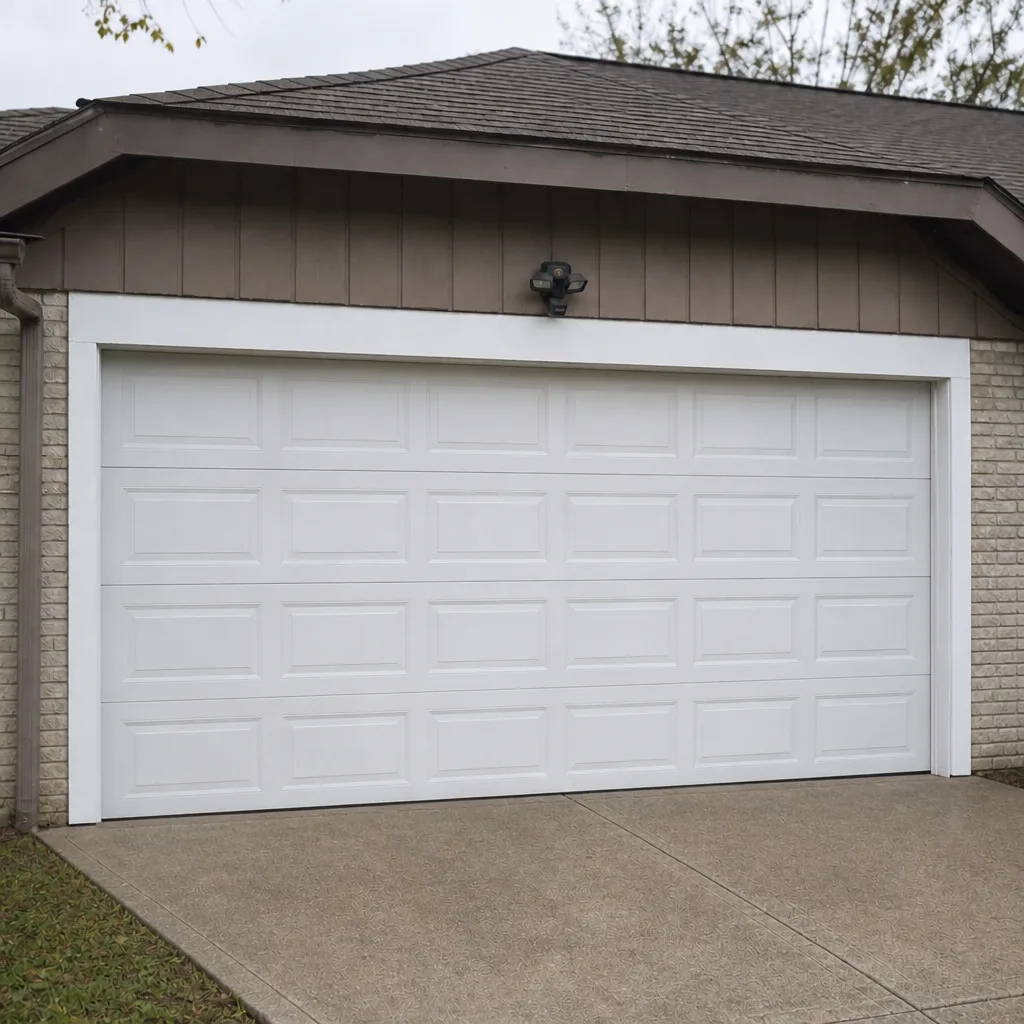 After
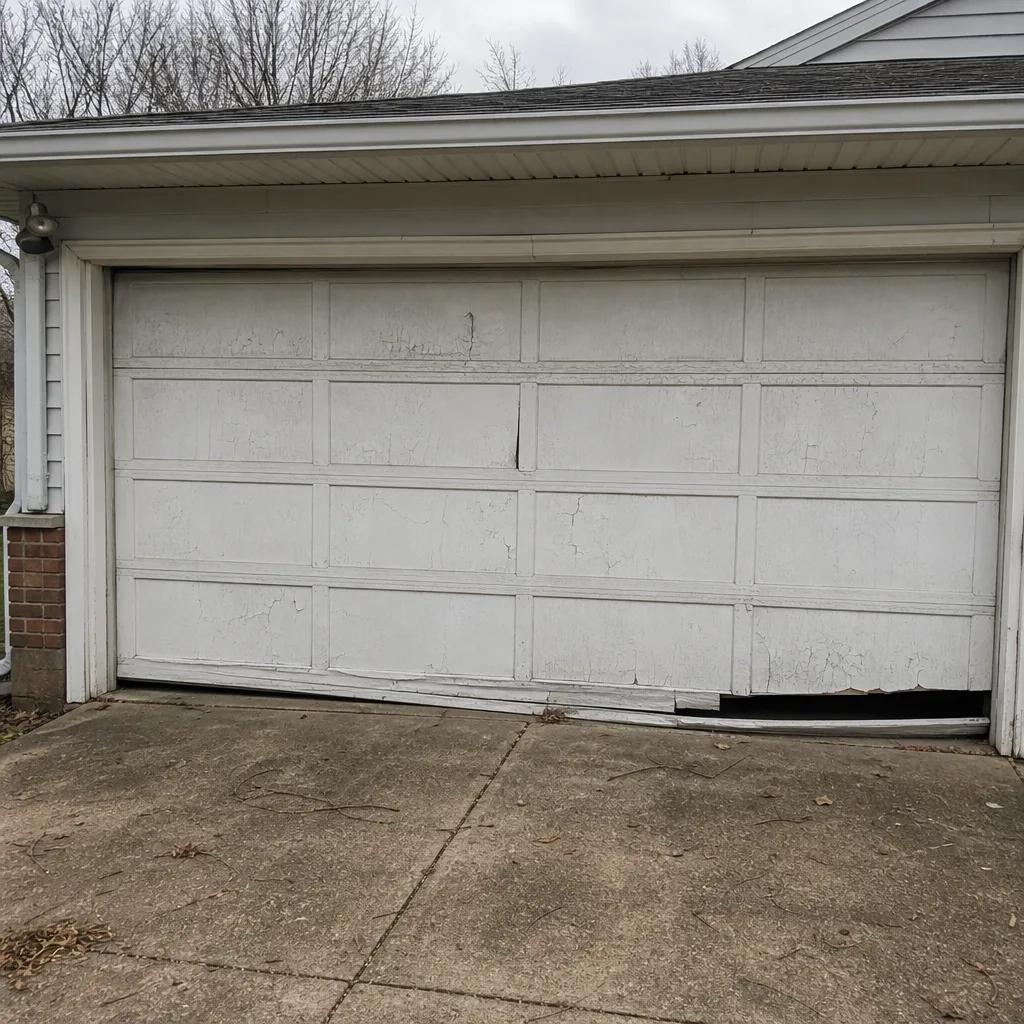 Before
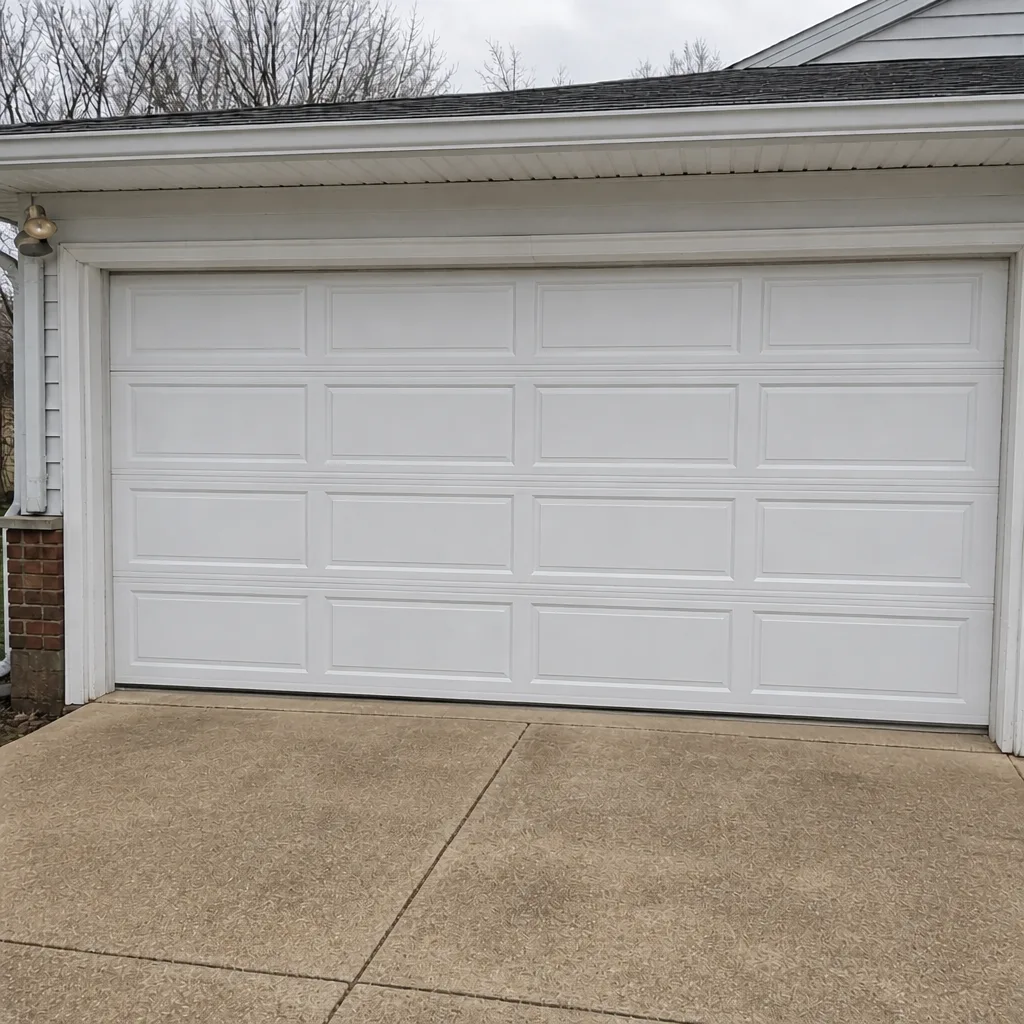 After
When to Call a Professional
Call a professional when the job involves anything beyond a like-for-like door swap or routine maintenance. That includes any change to the opening size, any header work, any new opener circuit, and all spring and cable repair. It also includes a case that feels routine but shows warning signs: a door that hangs unevenly after replacement, an opener that strains, or a gap that opens at the bottom of the door over a season. If you’re buying a home and the garage door looks recently replaced, a specialist can tell you whether the install looks like a straightforward swap or something more involved. Dayton Garage Door Repair Co offers free estimates in Dayton. Call (877) 704-1590 and we’ll walk through what your specific job needs, including whether we think it warrants a call to your building department.
Frequently Asked Questions
No, in most cases a like-for-like garage door replacement in Dayton does not require a building permit. The trigger is a change to the opening size, the header, or the structural framing above the door, or new electrical work for an opener. If your replacement uses the existing opening as-is, most jurisdictions treat it as ordinary maintenance. Call the City of Dayton’s building department to confirm for your specific address, since permit rules are set locally. Call (877) 704-1590 for a free estimate on the install itself.
Usually not when you’re replacing an opener on an existing working outlet. You typically do need a permit when a new circuit or a new outlet is being installed specifically to power the opener, or when existing wiring in the garage is being extended or replaced. Electrical permits are often separate from building permits. If your opener swap involves anything at the panel or a new line from the ceiling, ask the city before you start. Call (877) 704-1590 for a free estimate on the opener work.
A residential garage door inspection typically checks the header and framing (if structural work was done), the door balance, spring and cable sizing, track alignment, and the opener’s photo-eye sensors and auto-reverse function. On a permitted job, the inspector verifies the finished work matches the approved scope. Poorly aligned sensors and undersized headers are the two most common items that come up. If your door has any of those warning signs, call (877) 704-1590 and we’ll take a look.
Not usually on a straight door swap, but it can complicate a sale when the work involved a structural or electrical change. A buyer’s inspector may flag a header that looks recently altered or a circuit that isn’t documented at the panel, and that can prompt a re-inspection request or a credit negotiation. Disclose any structural or electrical work at the time of sale, even without a permit. For a pre-listing door check, call (877) 704-1590 for a free estimate.
Most residential garage door permits process in a few business days, and inspection scheduling typically adds a few more. Timeline varies by scope and by how booked the local inspectors are, so ask the permit office for their current turnaround when you apply. Don’t schedule the install or delivery before you know the permit timeline. Call (877) 704-1590 for a free estimate while you sort out the paperwork.
No, only the property owner or a licensed contractor of record can pull a permit for garage work in most Ohio jurisdictions. If you’re hiring a contractor for structural or electrical work, they normally handle the permit application on your behalf. If you’re doing a like-for-like swap, you probably don’t need a permit at all. Call (877) 704-1590 and we’ll tell you which category your job falls into.
The Bottom Line
Most garage door jobs in Dayton don’t need a permit. The ones that do – changes to the opening size, header, or structural framing, and new electrical circuits for an opener – are exactly the jobs where the paperwork matters most. A permit is cheap and inspection is fast. The conversation it prevents during a home sale or after a claim is neither. If your job is a like-for-like replacement or routine repair, we can schedule it without you touching the permit process. If it involves structure or new wiring, start with the City of Dayton or Montgomery County building department, then call us.
If you’re not sure which category your job falls into, or you want a straight answer on whether it needs a permit before you commit, call Dayton Garage Door Repair Co at (877) 704-1590 for a free estimate. We work on your brand across LiftMaster, Chamberlain, Genie, Clopay, Amarr, Wayne Dalton, Craftsman, and Raynor systems, and our technicians have up to 10 years of experience. We work on the door and the opener together, so one call covers the whole job.
Written by the team at Dayton Garage Door Repair Co.