Last updated November 21, 2026
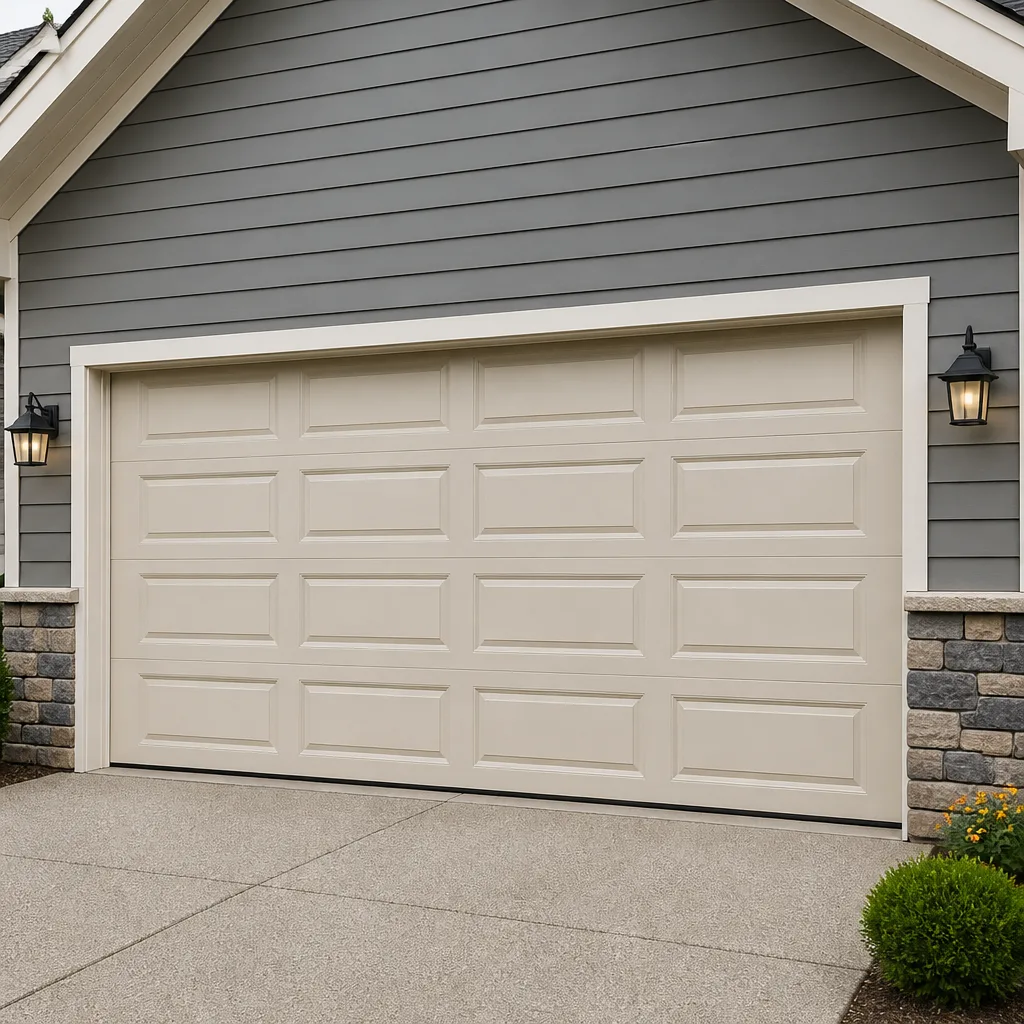 Raised-panel steel
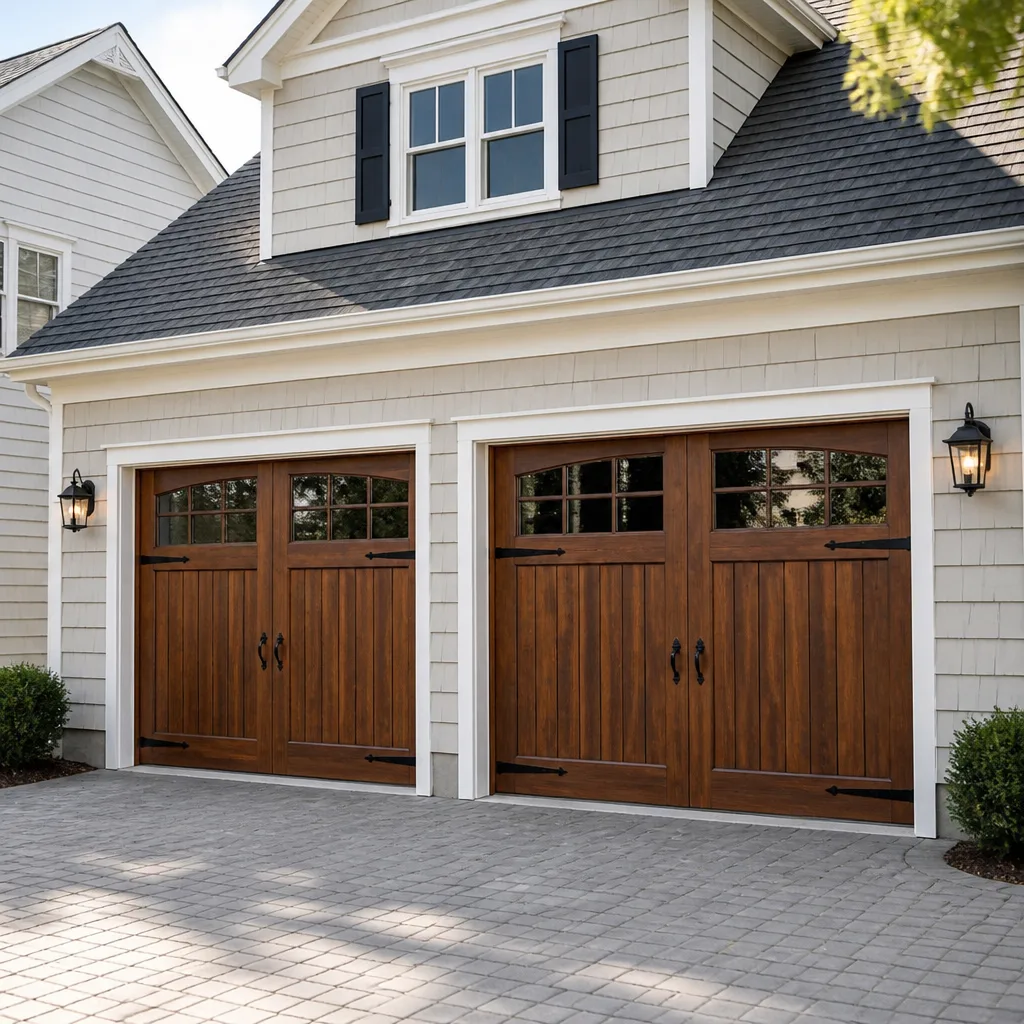 Carriage house
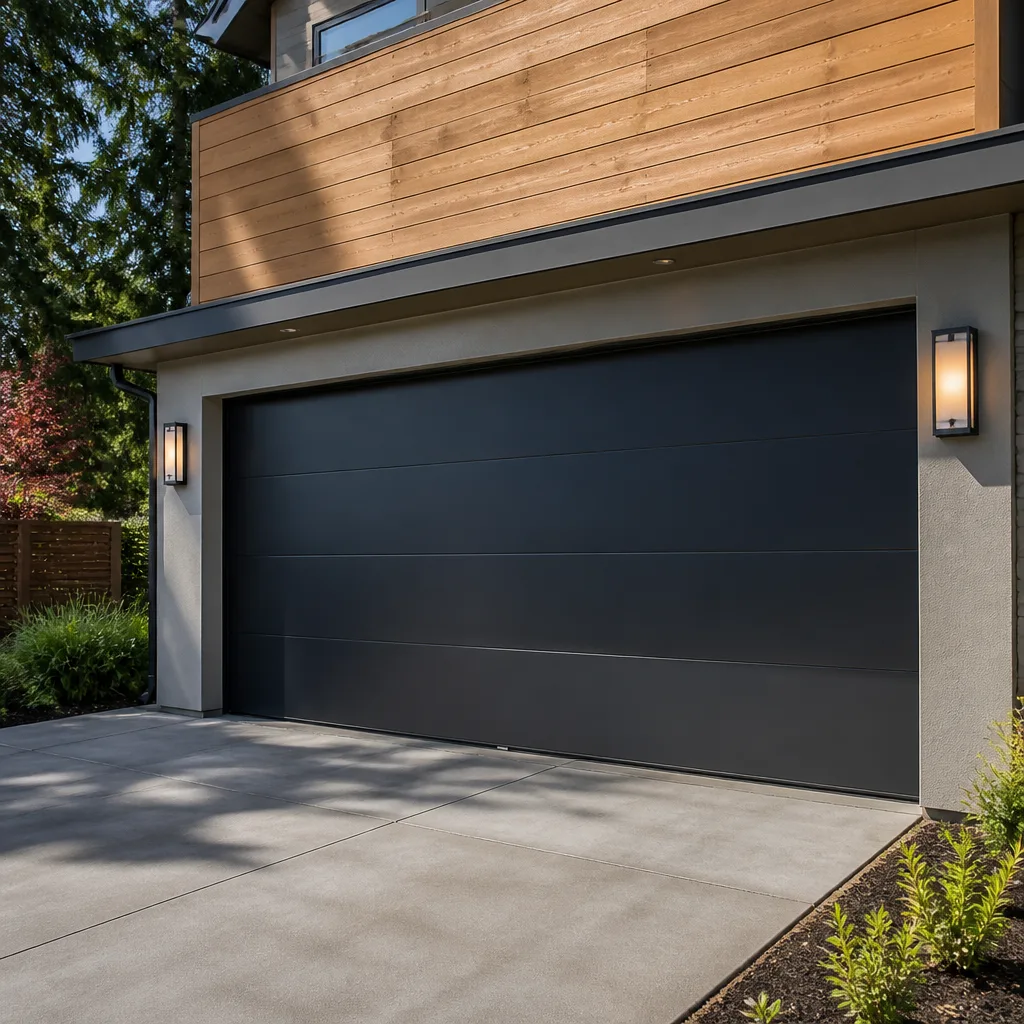 Modern flush
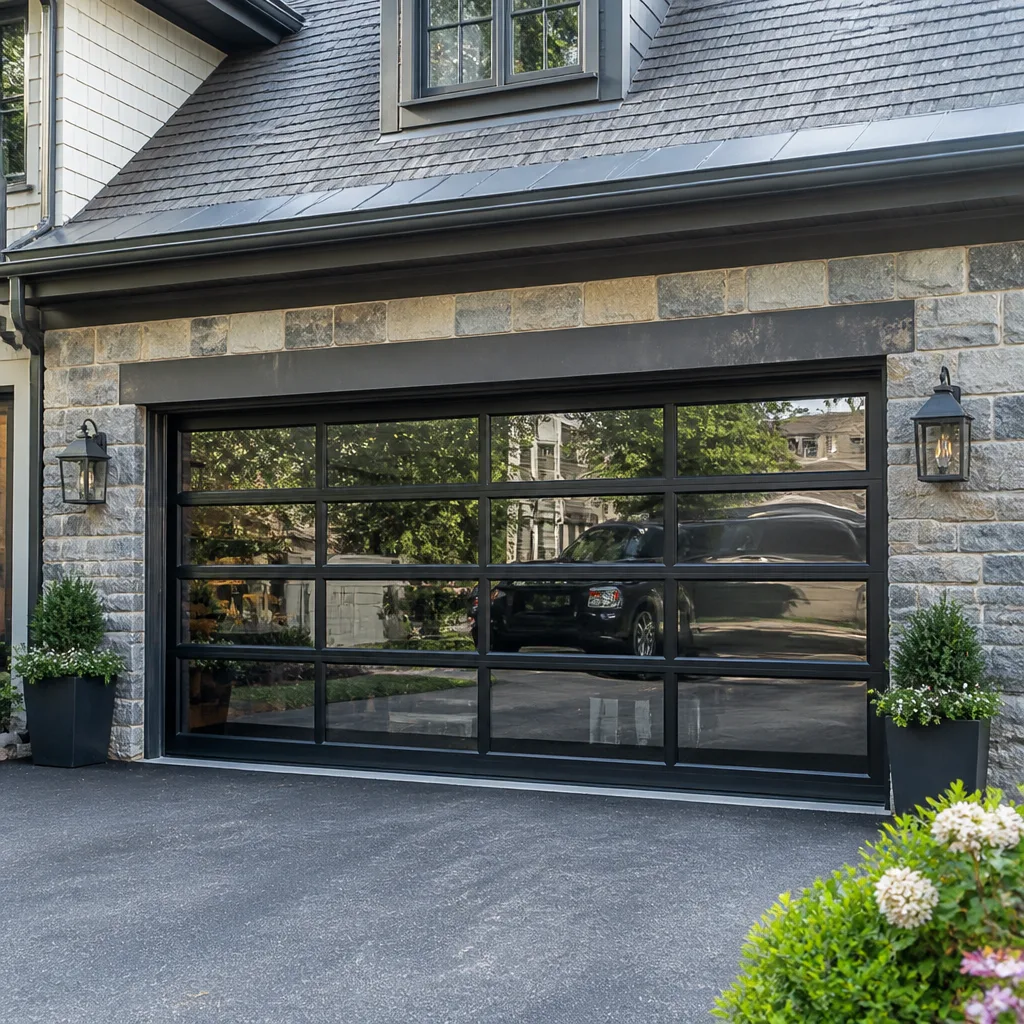 Full-view glass
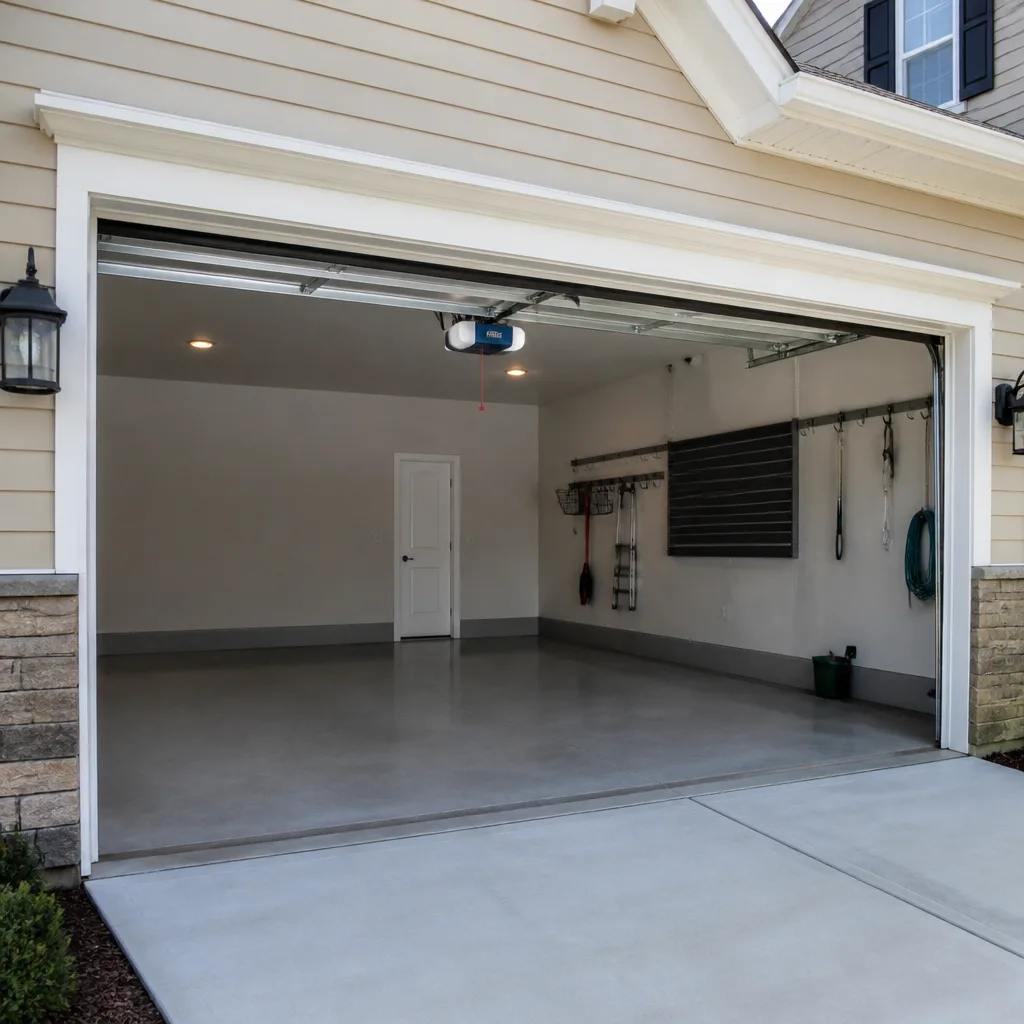 LiftMaster openers
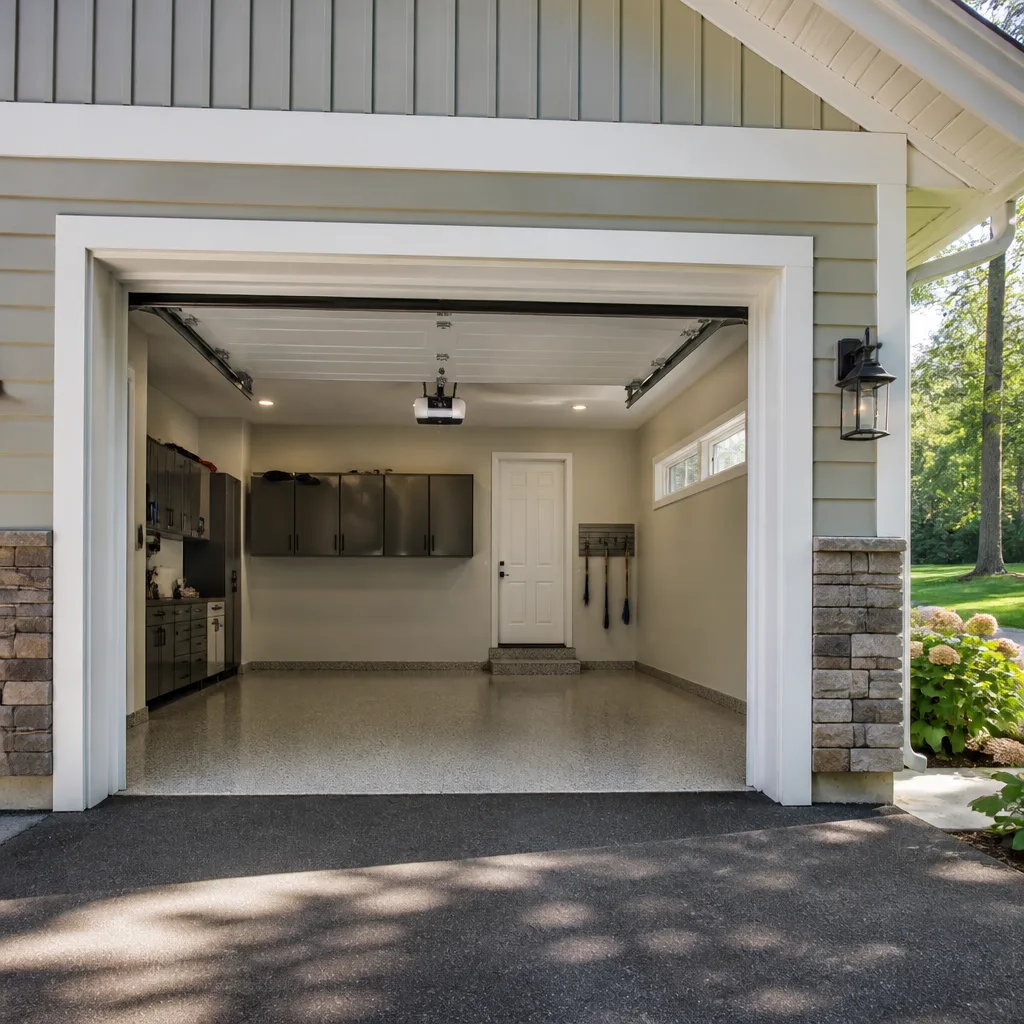 Chamberlain openers
Full 25-point door and opener safety check with every visit - springs, cables, rollers, tracks, and your LiftMaster or Chamberlain opener included
You get a price before we start. It does not change when the pro arrives.
Get your free estimateGarage Door Cost Breakdown: The Dayton Homeowner’s Reference for 2026
Two Dayton homeowners get quotes for the same torsion spring replacement. One comes in at $189. The other comes in at $310. Both quotes are legitimate, and neither contractor is trying to rob anybody. The gap comes down to spring cycle rating, and the homeowner who chose the low quote is often the one calling again in three years. This guide pulls apart that $121 difference and every other one like it in the Dayton market. We’ll walk through component-level pricing, how labor and parts sourcing move the number, what a full replacement actually costs across materials and insulation levels, and how to read a written quote line by line so the number you agree to is the number you pay.
Quick Answer
Garage door repair in Dayton typically runs $120 to $450 depending on the part and the job, with a single torsion spring replacement usually landing between $150 and $310 and a matched pair roughly twice that. Full door replacement generally falls between $900 and $3,500 installed, driven by material, insulation and brand tier. Opener replacement runs about $350 to $850 installed. Every one of those figures is an estimate, and the written quote you sign is the price that matters.
Styles & brands we work with
- Raised-panel steel
- Carriage house
- Modern flush
- Full-view glass
- LiftMaster openers
- Chamberlain openers
Table of Contents
- What Actually Drives Cost in Dayton
- Component-Level Breakdown: Springs, Cables, Rollers, and What Each Tier Buys
- Dayton Labor Rates and Why Quotes Differ by $400
- Full Door Replacement Cost Matrix
- The Real Cost of Deferred Maintenance
- How to Read a Quote Line by Line
- Opener Costs and When the Motor Is the Problem
- Brand-Specific Costs for Dayton Homes
What Actually Drives Cost in Dayton
Garage door pricing isn’t one number. It’s five or six moving parts that stack on each other, and most homeowners only ever see the total. When two Dayton quotes look wildly different on the same repair, the difference almost always lives in one of those layers.
The big four:
- Parts tier. A standard-cycle spring and a high-cycle spring are the same job to install but a very different part to buy. Rollers are the same story: steel versus nylon is a few dollars per roller on paper and a few years of quiet versus rattle in the real world.
- Labor and overhead. A single-trade garage door specialist and a general handyman carry different overhead. The specialist’s tech arrives knowing the system; the generalist is learning it on your driveway. That difference shows up in the labor line.
- Parts markup model. Some contractors quote parts near cost and load the labor. Others quote lean labor and mark up parts. The total can land in the same place while the line items look nothing alike.
- Warranty terms. A quote that includes a parts-and-labor warranty on the spring is priced to cover the callback. A quote that covers the part only is priced to cover the sale. Both are real choices, and both belong in the number.
Dayton’s swings between humid summers and hard freezes add a fifth layer. Springs, cables and hinges work harder through freeze-thaw cycles than they do in a mild climate, which is one reason cycle rating matters more here than it does in, say, Phoenix. In our experience, that seasonal stress is why we see more spring fatigue in Dayton garages than the raw age of the door would suggest.
Component-Level Breakdown: Springs, Cables, Rollers, and What Each Tier Buys
The line items on a garage door bill are not interchangeable, and the specification is where the money hides. Here’s how the major components break down by tier and what each tier actually gets you in service life.
Torsion and extension springs
Springs are the highest-stakes part on the door and the one most often quoted ambiguously. A standard-cycle spring is rated around 10,000 cycles. A high-cycle spring can be rated toward 25,000 cycles or more. A cycle is one open plus one close, so a family that runs the door four times a day burns through a standard spring in roughly seven years of calendar life. The high-cycle spring on the same door lasts considerably longer and costs more up front.
- Standard-cycle single spring: typical $150 to $220 installed.
- High-cycle single spring: typical $220 to $310 installed.
- Matched pair (both replaced together, which is standard practice): roughly twice the single-spring figure.
That $189 versus $310 gap from the opening isn’t a scam. It’s almost always the difference between a standard-cycle spring and a high-cycle spring on the same job.
Cables
Cables are graded by gauge (thickness), and heavier gauge handles load and fatigue better. A lighter cable is cheaper per foot and more likely to fray or snap first. Cables are inexpensive on their own, typically $15 to $40 each, but they’re replaced in pairs and bundled with labor.
Rollers
Steel rollers are the budget option and are noticeably noisier as they wear. Nylon rollers run quieter and last longer, and the upgrade is typically $5 to $12 per roller. On a door with ten rollers, that’s a small line item with a real quality-of-life payoff.
Hinges and hardware
Hinges, brackets and bearing plates are wear items. A full hardware tune-up with new rollers and hinges typically lands $80 to $180 installed.
Dayton Labor Rates and Why Quotes Differ by $400
Labor is the single biggest variable between two quotes for the same repair. In the Dayton market, a garage door specialist’s labor typically runs $85 to $150 per hour, and a spring replacement is usually a one-to-two-hour job for someone who knows the system. That’s why the same repair can swing $400 between contractors who are all legitimate.
What moves the number up or down:
- Specialist versus generalist. A dedicated garage door technician carries overhead that a general handyman doesn’t, but arrives already familiar with the system. The generalist may quote lower and take longer, and may decline the job outright if it’s a torsion spring.
- Parts markup model. A contractor who marks parts up 30% and charges lean labor can land at the same total as one who charges parts at cost and a higher labor rate. Read the line items, not just the total.
- Warranty terms. A quote that includes a parts-and-labor warranty is priced to honor a callback. A part-only warranty is priced to close the sale. The warranty is worth real money.
- Travel and dispatch. A contractor routing a tech across the Dayton metro carries fuel and time cost that shows up in the labor line.
Our advice: get two or three written quotes and compare the specification on each line, not just the bottom number. A $400 gap between quotes is usually a $400 gap in what’s being installed and guaranteed, not a $400 gap in honesty.
Full Door Replacement Cost Matrix
When repair stops making sense, replacement enters the picture. The cost hinges on material, insulation and brand tier. Here’s the matrix we’d hand a Dayton homeowner planning a new door.
- Steel, non-insulated, entry tier: typical $900 to $1,400 installed. Good for detached garages or budget-conscious replacements where the garage isn’t conditioned.
- Steel, insulated (single-layer or two-layer): typical $1,400 to $2,200 installed. A step up for attached garages where a cold or hot garage bleeds into the house.
- Steel, insulated, higher R-value with sandwich construction: typical $2,200 to $2,900 installed. The sweet spot for most Dayton attached garages.
- Wood or wood-composite carriage style: typical $2,500 to $3,500+ installed. Beautiful, but requires more upkeep through Ohio’s humidity swings.
Insulation R-value is worth understanding before you buy. A higher R-value garage door helps keep an attached garage from dragging on the house’s heating and cooling, but the payoff depends on whether the garage shares a wall, floor or ceiling with living space. If it does, a higher-R-value door is money well spent. If it doesn’t, the extra insulation mainly buys quieter operation.
Dayton’s freeze-thaw cycle also argues for a well-sealed, well-insulated door with a properly adjusted bottom seal. The seal is a small line item, roughly $15 to $40 for the material plus labor, and it does a lot of work keeping moisture and cold air out. If you’re weighing repair against replacement, our garage door installation page walks through what a proper measure and install involves.
The Real Cost of Deferred Maintenance
Here’s the math most homeowners never run. A skipped $80 service call is not a savings. It’s a deferred $600 emergency repair, and the delay is what turns one into the other.
Walk through it as a sequence:
- Year 1: The door squeaks, a roller is grinding, the bottom seal has a small tear. A routine tune-up with new rollers, hinge lubrication and a seal replacement runs about $80 to $150.
- Year 2 to 3 (skipped): The grinding roller wears the hinge and adds stress to the track. The seal tear lets moisture and grit into the bottom panel edge. Nothing catastrophic yet, but the parts are working harder.
- Year 4: A fatigued spring finally lets go. Now the technician is looking at a spring replacement ($150 to $310 single, roughly double for a pair) plus new rollers, a hinge or two, and sometimes track realignment. The total can climb toward $600 when several wear items are bundled together.
A generalist is easy to find for the $80 tune-up. The spring repair is a different job. It carries genuine injury risk, and many general handymen decline it outright. When the door finally does snap a spring, the homeowner who kept the maintenance schedule is looking at a straightforward part swap; the homeowner who skipped it is looking at a compound repair. The math favors the routine service call every time.
How to Read a Quote Line by Line
A written quote is only as useful as its specificity. The single most expensive word on a garage door quote is “standard,” because a “standard spring” or a “standard roller” tells you nothing about the cycle rating or the material grade you’re paying for.
Here’s the checklist we hand homeowners reading any quote:
- Look for a part number, not just a description. A specified part number with a cycle rating or gauge means the contractor is committing to a specific part. “Standard spring” means they’re not.
- Confirm whether springs are quoted singly or paired. Torsion springs on most doors are replaced in matched pairs because they wear at the same rate. A quote that lists one spring price for a two-spring door is a red flag.
- Check the warranty in writing. Parts-and-labor versus parts-only is a real difference in what you’re buying.
- Ask what happens if the tech finds a second problem. A good quote states that no additional work begins without your approval and a revised price.
- Confirm the price is quoted and agreed before any work starts. Every repair we touch is priced in writing first.
The right quote names the part, the rating, the warranty and the labor. The wrong quote says “spring replacement” and a number.
Opener Costs and When the Motor Is the Problem
Not every garage door problem is the door. Opener failure is common, and diagnosing which side of the system failed is the difference between a $120 fix and a $600 replacement.
- Opener repair (remotes, sensors, logic board, gear): typical $120 to $350 depending on the part.
- Full opener replacement, belt-drive: typical $350 to $650 installed.
- Full opener replacement, chain-drive or screw-drive: typical $350 to $550 installed.
- Wi-Fi or smart opener upgrade: typical $450 to $850 installed depending on model and features.
Brand familiarity matters here. We work on LiftMaster, Chamberlain, Genie, Craftsman and Raynor openers, which means the technician arrives already knowing the system in your garage. Many opener problems are actually sensor or logic issues rather than a dead motor, and a proper diagnosis can save the cost of a replacement. Our garage door opener repair page covers the diagnostic side in more detail.
Brand-Specific Costs for Dayton Homes
Brand tier affects both the part you buy and how easy it is to source. Here’s a rough map of the brands that fill most Dayton driveways and where their costs tend to land.
- Clopay and Amarr doors: the two most common in residential installs. Entry-level steel runs in the lower matrix tiers; insulated and carriage styles step up accordingly.
- Wayne Dalton: common in older builds; parts are broadly available and priced mid-range.
- Raynor: often seen on newer builds; spring and hardware costs sit mid to upper range.
- LiftMaster and Chamberlain openers: the two most common openers we see. Repair parts are widely available and priced mid-range.
- Genie and Craftsman openers: older Craftsman units are still out there; parts availability varies by model year.
Brand matters less for a simple spring swap than it does for an opener logic board or a discontinued door model where parts have to be matched or the opener replaced entirely. When a model is discontinued, the cost of a part-match can push a repair close to the cost of a fresh replacement, and that’s a judgment call we make in writing before work begins.
Common Mistakes to Avoid
- Comparing quotes on the total alone. A $121 gap between a $189 and a $310 spring quote is usually the cycle rating, not a scam. Compare the part specified, not just the number.
- Accepting “standard spring” without a part number. A quote that doesn’t name the part is a quote where the cheapest available spring can go in. Ask for the specification in writing.
- Replacing one spring of a matched pair. Springs wear at the same rate. Swapping one leaves you back on the phone when the partner lets go. Replace them together.
- Skipping the $80 tune-up. The routine service call is the cheapest line item on this page and the one that prevents the $600 compound repair.
- Calling a generalist for a torsion spring. Torsion springs carry real injury risk if handled without proper training and tools. Many general handymen decline the job for exactly that reason, and the ones who don’t are usually learning on your door.
- Letting a garage door problem sit through the freeze. A sticky door that drags through a cold snap puts extra load on springs and the motor. If the door is fighting you, fix it before winter makes it worse.
- Forgetting to check the warranty before work begins. A parts-only warranty and a parts-and-labor warranty are priced differently. Know which you bought before the technician leaves.
See the difference
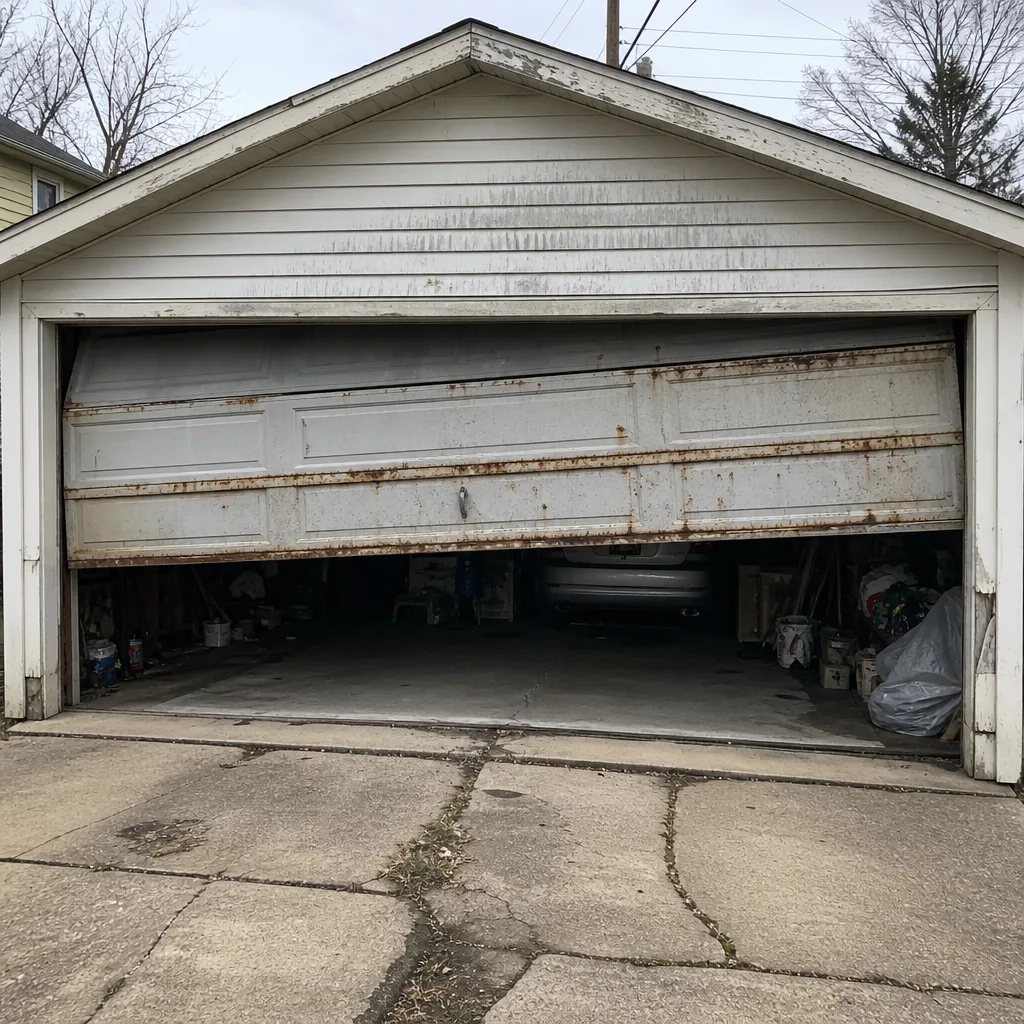 Before
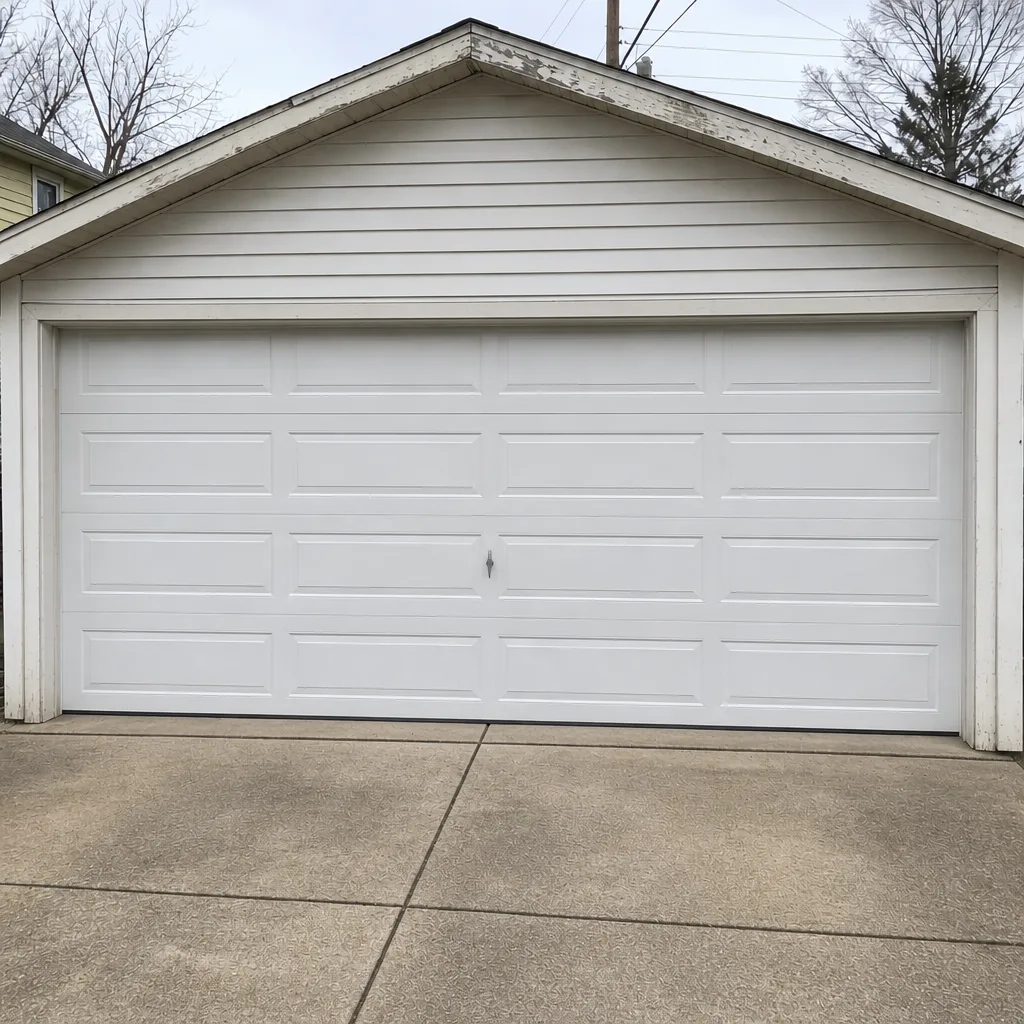 After
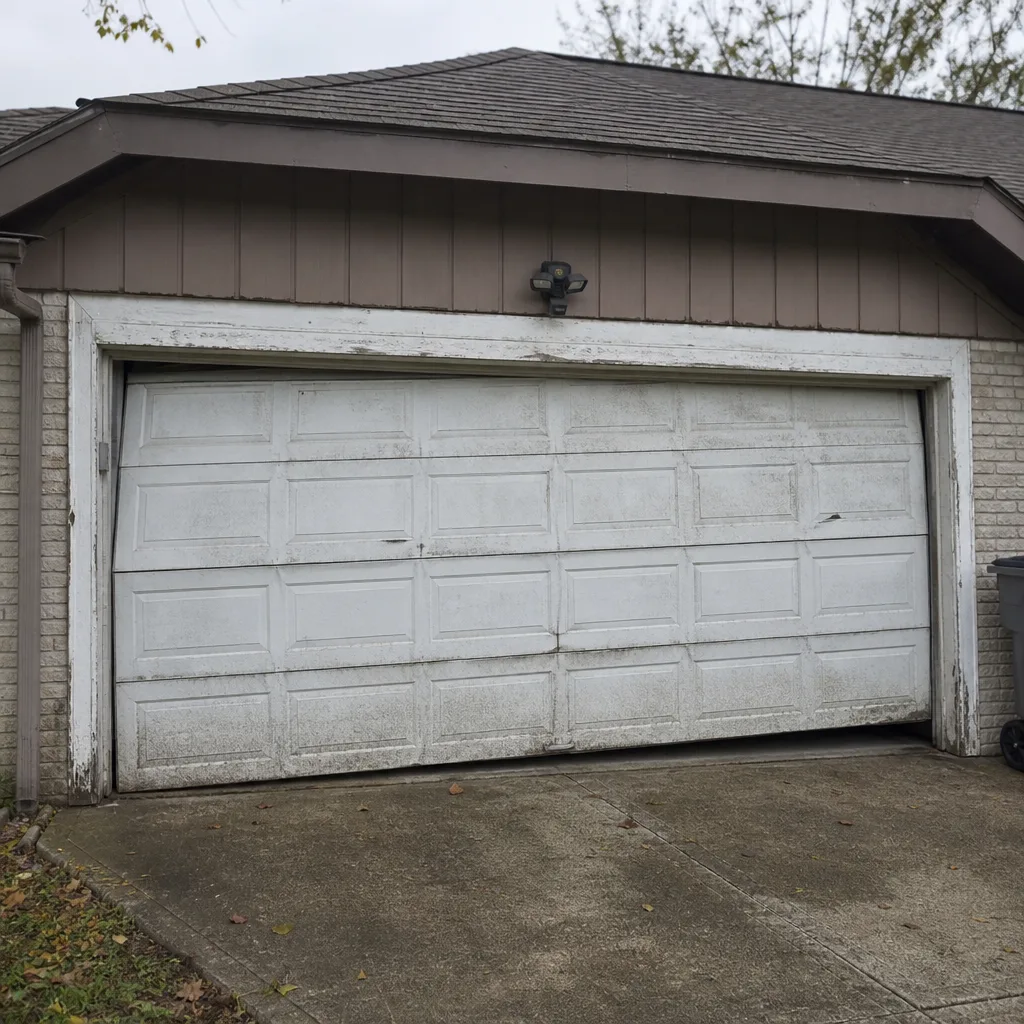 Before
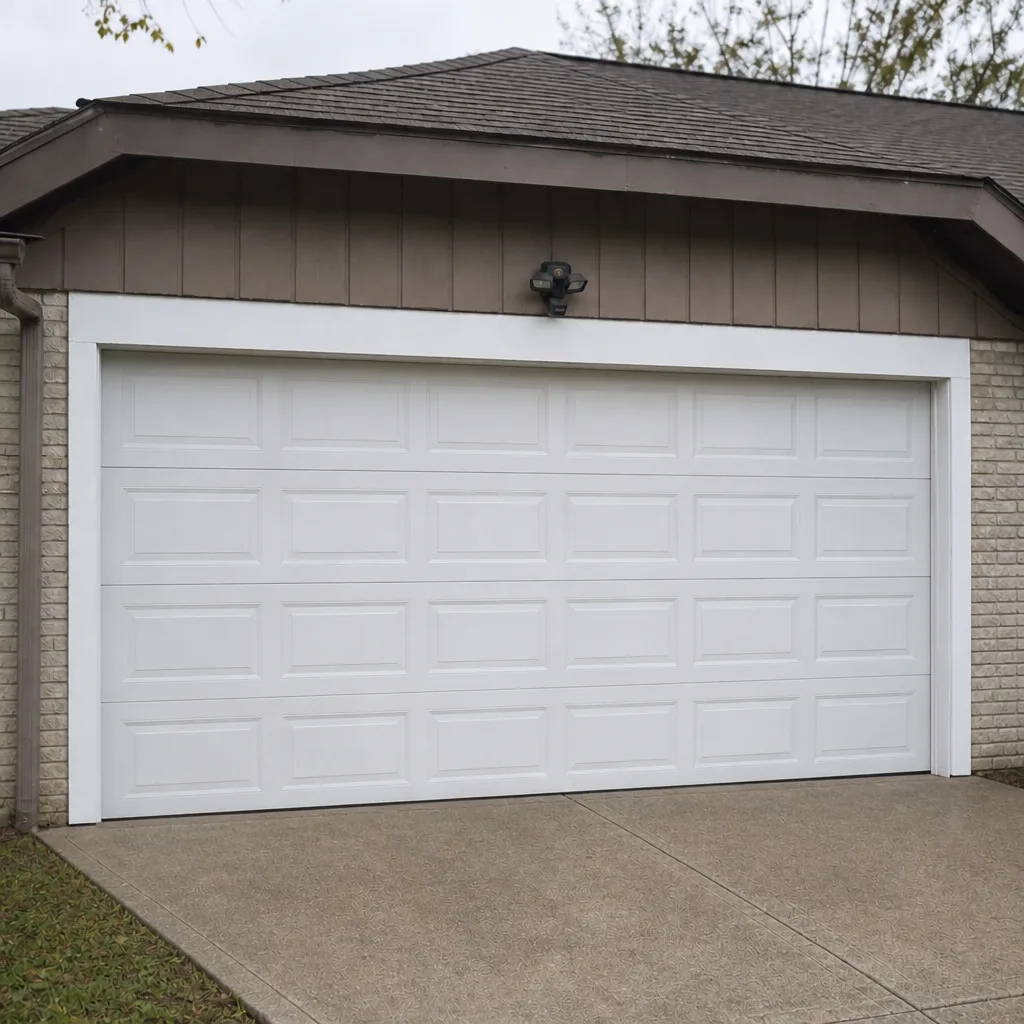 After
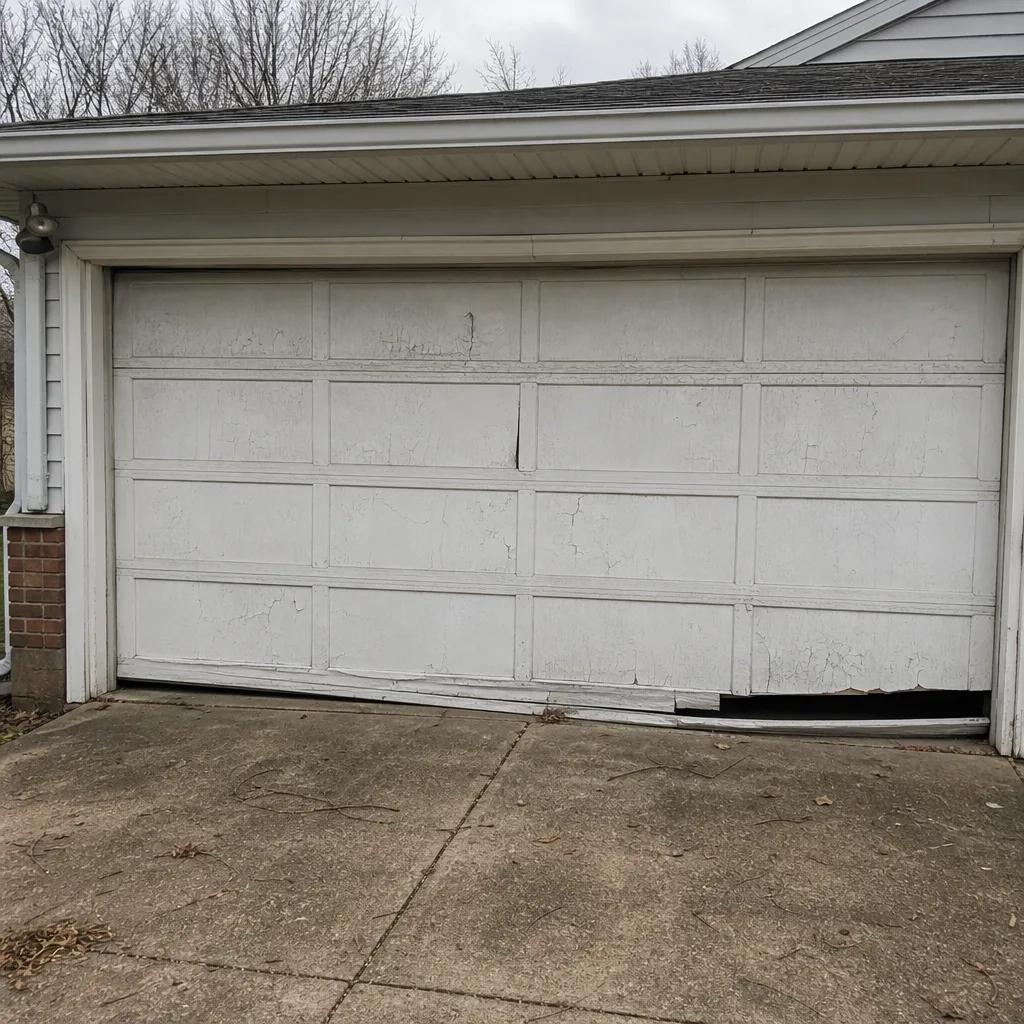 Before
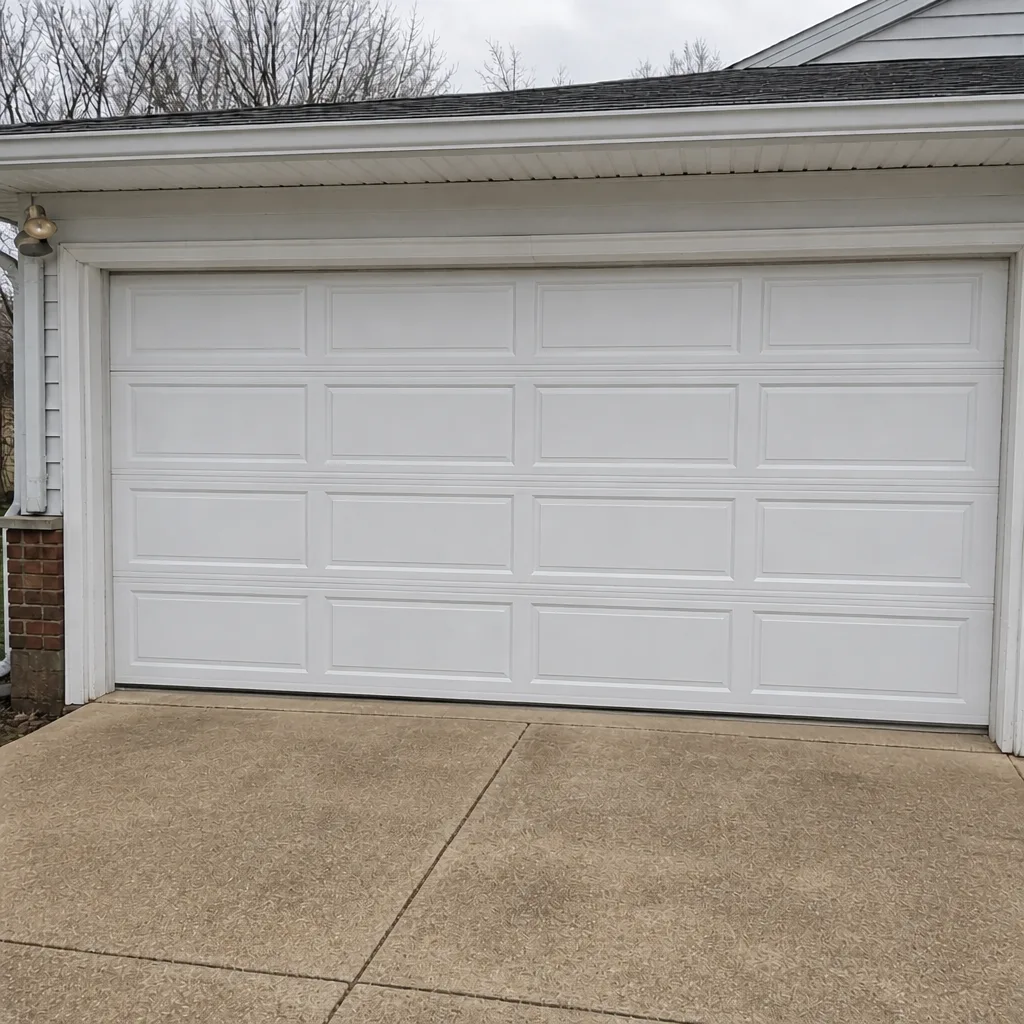 After
When to Call a Professional
Some garage door jobs are safe to tackle yourself: lubricating hinges, replacing a bottom seal, resetting a remote. Torsion spring replacement, cable swaps, opener motor replacement and anything involving high tension are a different category. Springs are held under extreme tension, and a release or miscalculation can cause serious injury. We recommend a trained professional for anything that touches the spring system, the cables or the opener motor.
If your door is stuck open, stuck closed, making a loud bang, or off its track, that’s a call-now situation. We offer emergency garage door service in Dayton for exactly those moments. Dayton Garage Door Repair Co offers free estimates in Dayton. Call (877) 704-1590 and we’ll walk you through what the likely problem is and what a reasonable estimate looks like.
Frequently Asked Questions
Most garage door repairs in Dayton run $120 to $450 depending on the part and the job. A single spring replacement typically lands $150 to $310, a matched pair roughly double that, and a full hardware tune-up $80 to $180. Every figure is an estimate; the written quote is your actual price. Call (877) 704-1590 for an exact quote – estimates are free.
Because the specification, labor rate and warranty terms differ, not usually the honesty. The $400 gap most often comes from standard versus high-cycle springs, parts markup model and parts-only versus parts-and-labor warranty. Compare the line items, not just the total.
It usually depends on whether the door and opener are structurally sound. A single spring or opener repair is nearly always cheaper than replacement, but a door with a cracked panel, a failing opener, and multiple worn parts can push the repair total close to the cost of a new door, in which case replacement is worth pricing.
A new garage door installed in Dayton typically runs $900 to $3,500 depending on material, insulation R-value and brand tier. Entry-level steel sits at the low end; insulated and carriage-style doors step up from there. The written estimate sets the final price.
The local professionals we connect you with are licensed and insured as their state requires. Our technicians have up to 10 years of experience working on residential garage doors and openers, including torsion and extension spring systems. Call (877) 704-1590 with questions about a specific repair.
Not without your approval. The price is quoted and agreed before any work starts, and if the technician finds a second issue, no additional work begins until you approve a revised price in writing.
The Bottom Line
The cost of a garage door repair in Dayton isn’t one number. It’s the spring cycle rating, the roller material, the labor rate, the parts markup model and the warranty term stacked on top of each other. The homeowner who understands the difference between a “standard spring” and a specified high-cycle part is the one who doesn’t repeat the repair three years later. Read the quote line by line, compare the specification, and don’t skip the $80 tune-up that prevents the $600 emergency. When you’re ready for a written price built on real parts, call (877) 704-1590 for a free estimate. Our garage door repair service covers the whole system, from the springs to the opener, so one call handles the whole job.
Written by the team at Dayton Garage Door Repair Co.