Last updated November 21, 2026
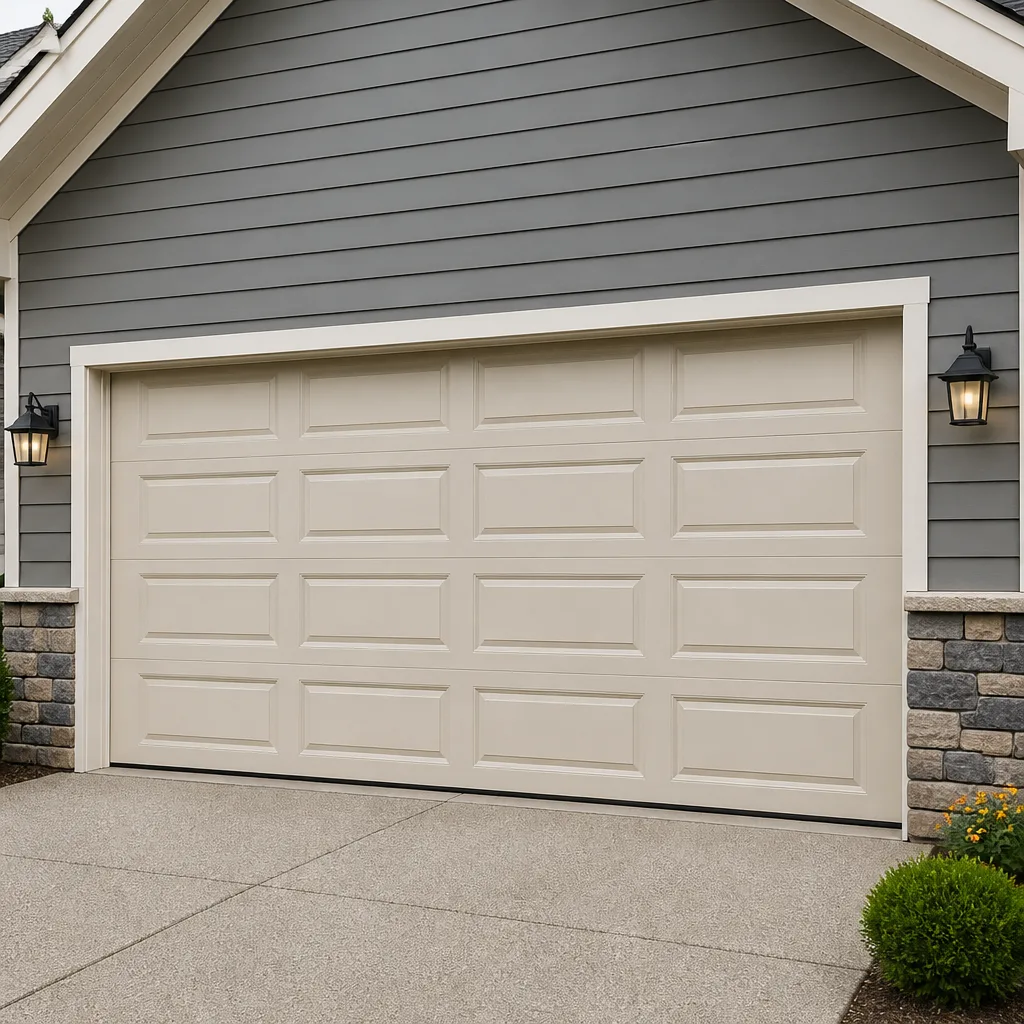 Raised-panel steel
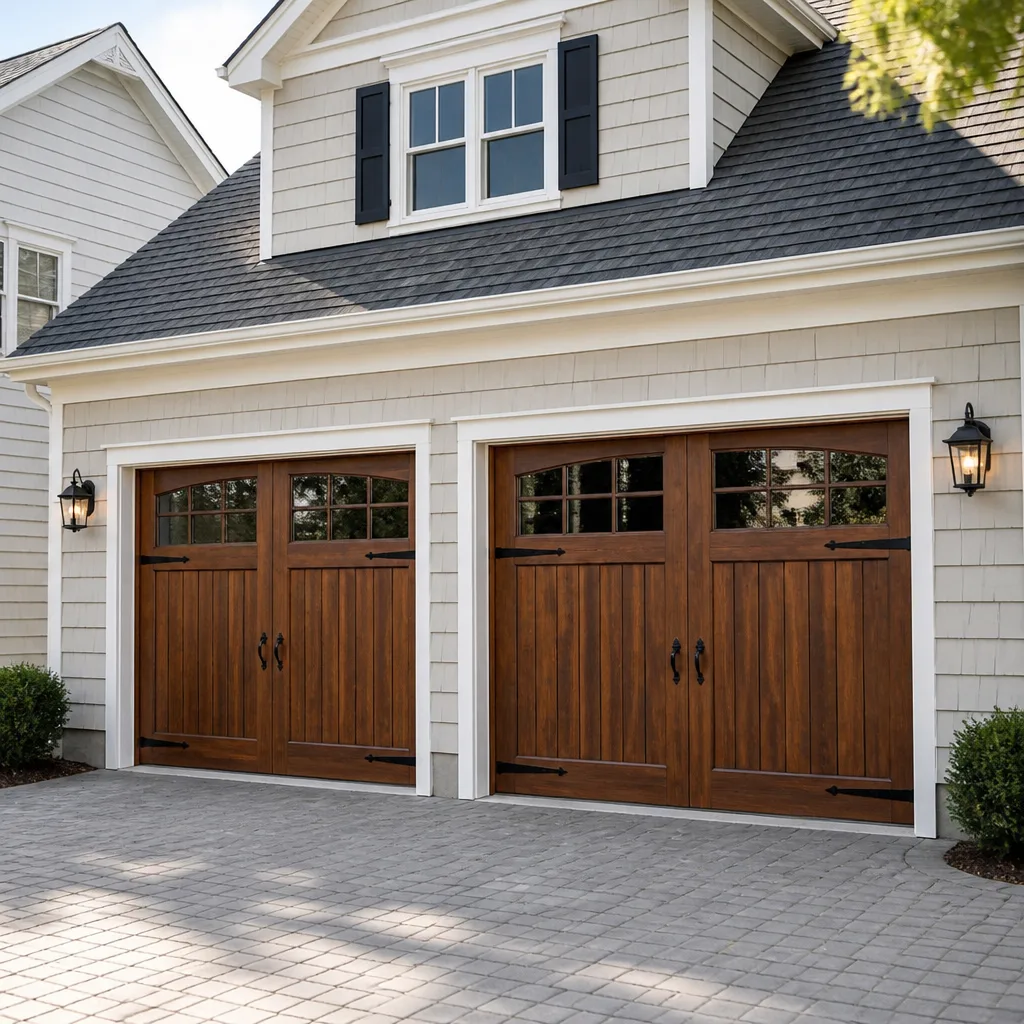 Carriage house
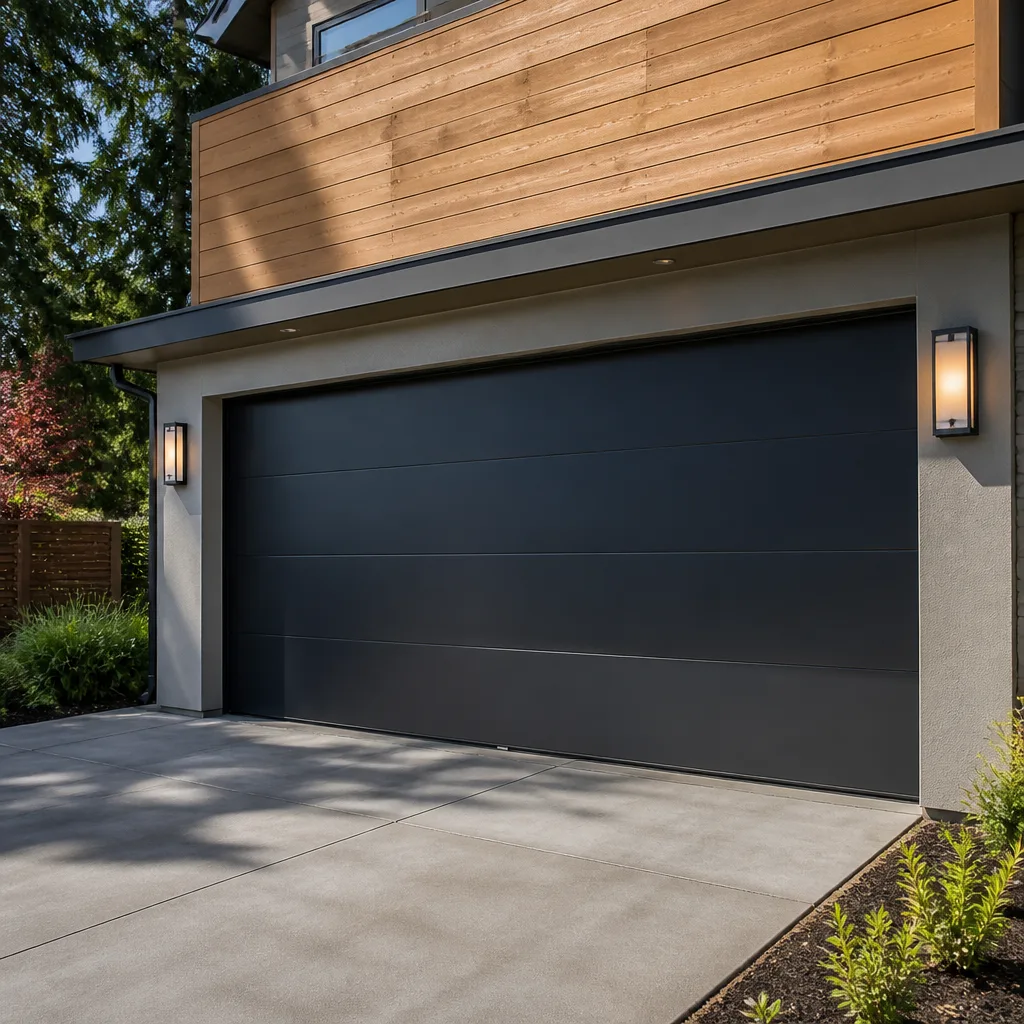 Modern flush
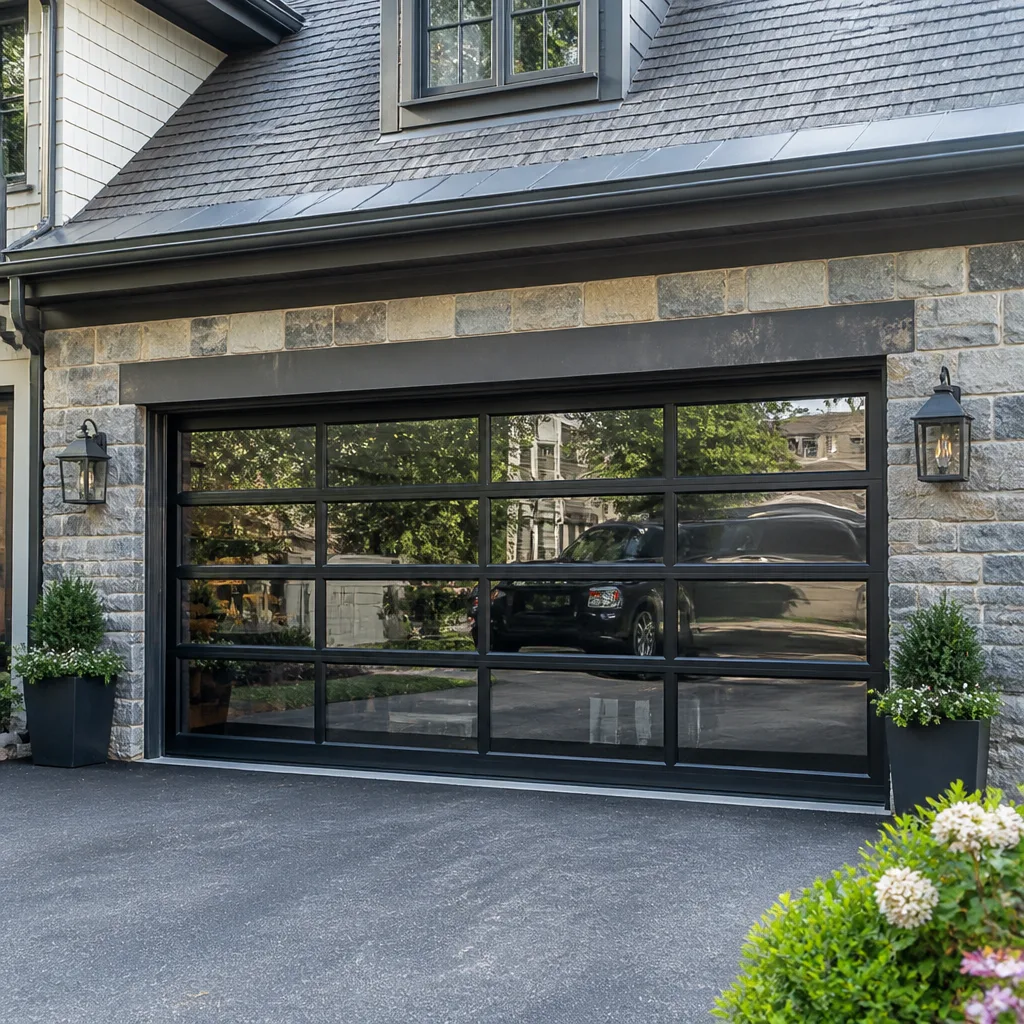 Full-view glass
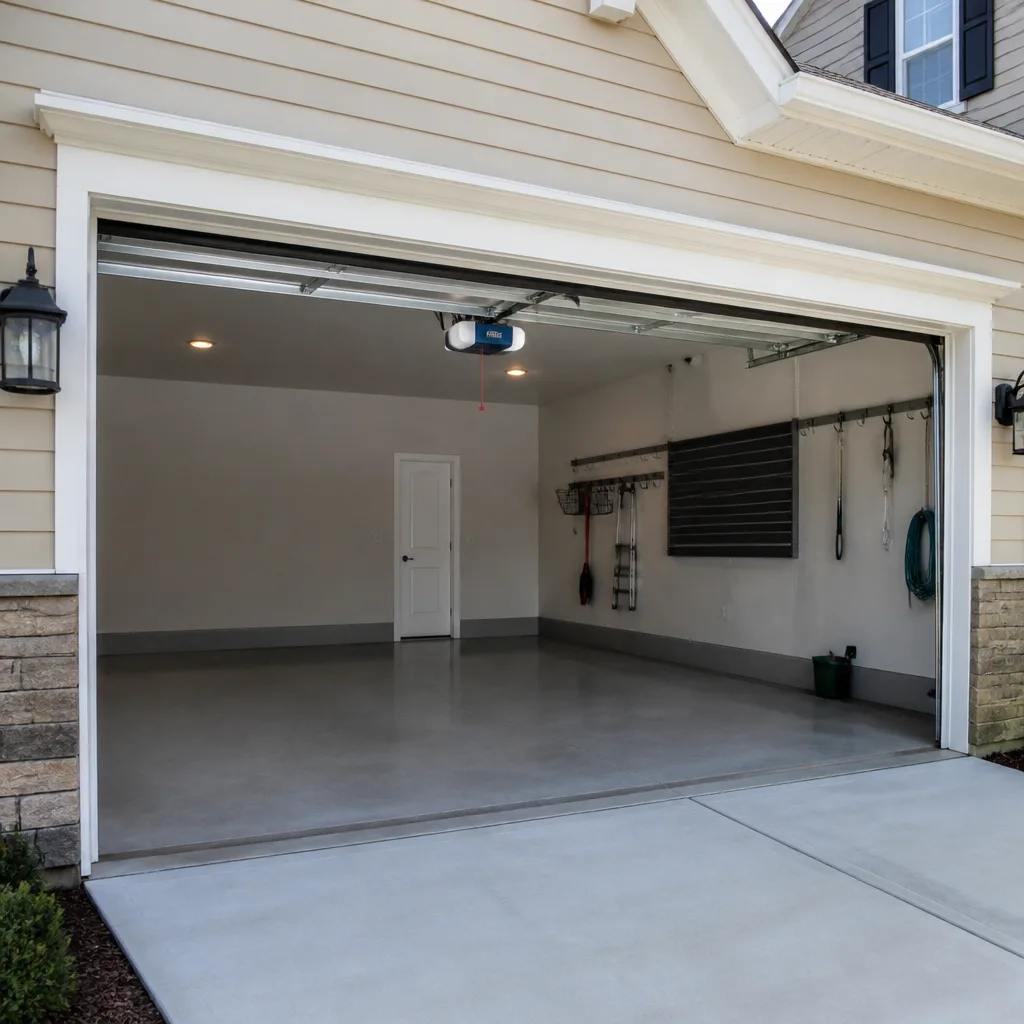 LiftMaster openers
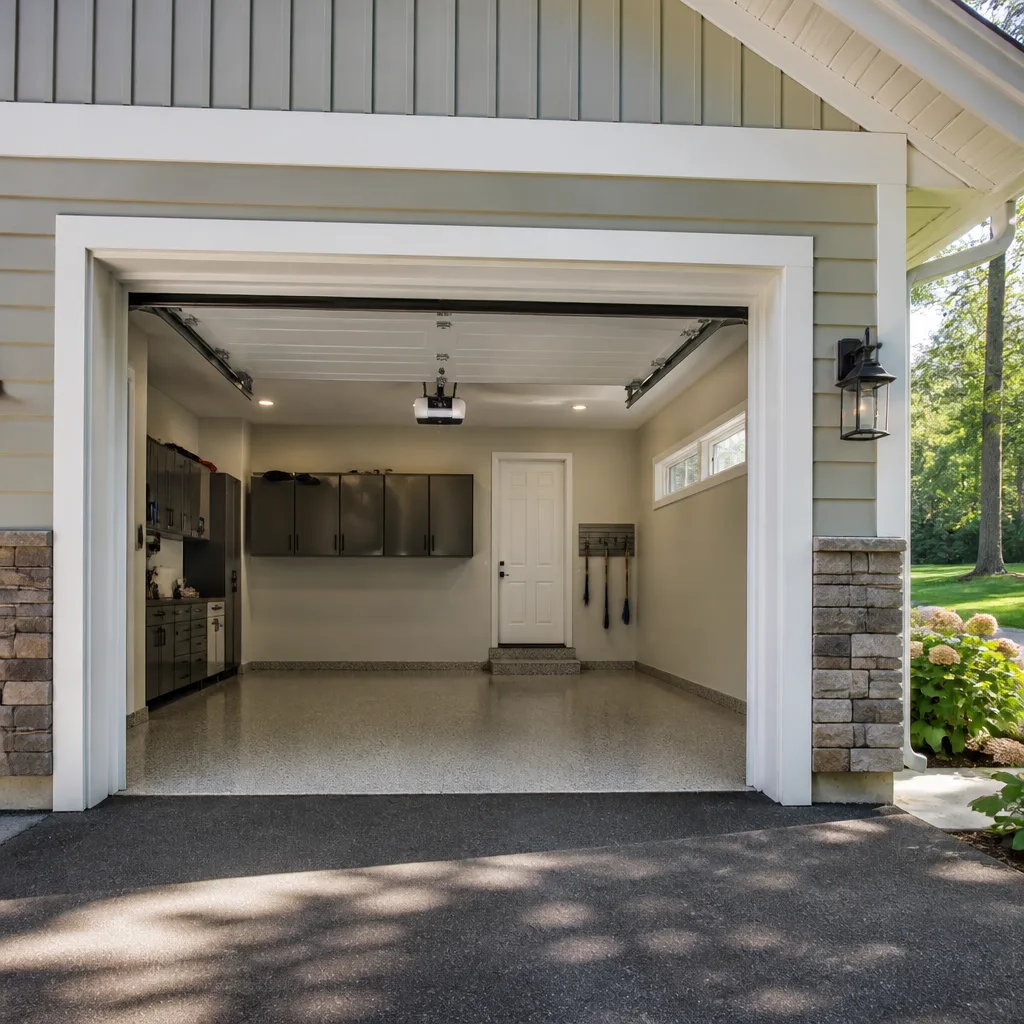 Chamberlain openers
Full 25-point door and opener safety check with every visit - springs, cables, rollers, tracks, and your LiftMaster or Chamberlain opener included
You get a price before we start. It does not change when the pro arrives.
Get your free estimateGarage Door Emergency Preparedness Guide for Dayton Homes
Most garage door emergencies don’t become disasters because the spring broke. They become disasters because nobody at the house knew where the manual release was, who to call, or what to say once they got someone on the phone. The broken part is the trigger; the panic and confusion are what stretch a ten-minute fix into a three-hour ordeal at midnight. This guide is about the ten minutes before anyone arrives. We’ll walk through the manual disengage step by step, how to secure a failed door overnight, which Dayton-specific scenarios come up again and again, and exactly what to document so a call goes fast instead of turning into twenty questions. Read it once now, while nothing is wrong.
Quick Answer
Garage door emergencies in Dayton usually fall into two camps: a door stuck open (a security problem) or stuck closed (you can’t leave). Your first move in almost every case is to pull the manual release cord to disconnect the opener, then secure or stabilize the door and call a specialist. Knowing that release, and having a service number saved on your phone, is what separates a quick recovery from hours of troubleshooting in the dark.
Styles & brands we work with
- Raised-panel steel
- Carriage house
- Modern flush
- Full-view glass
- LiftMaster openers
- Chamberlain openers
Table of Contents
- How do you manually disengage a garage door opener?
- How do you secure a failed garage door overnight?
- Dayton-specific garage door emergencies
- What to have documented before you call
- Can it safely wait until morning?
- Why spring failure is the emergency that scares us most
- Opener and door brands common in Dayton homes
- Building a ten-minute emergency kit
How do you manually disengage a garage door opener?
You pull the red release cord that hangs from the trolley on the opener rail. That disconnects the door from the motor so you can raise and lower it by hand. On most openers found in Dayton garages, the cord hangs down toward the middle of the door’s top edge, and pulling it firmly toward you slides the trolley free. The door then moves manually. That’s the whole idea, though it rarely goes perfectly on the first try, and knowing what to do when it doesn’t is the part that matters at 2 AM.
The release cord on a LiftMaster or Chamberlain opener, and on the Craftsman units that fill a lot of Dayton-area garages, works the same way, but the trolley can be under load. If the door is stuck open with a broken spring, there’s tension fighting you and the trolley may not want to slide. Pull straight down, not at an angle, and give it a firm tug rather than a gentle one. If it still won’t release, don’t keep yanking; that’s when people bend the arm or strip the trolley. Close the door as far as it will safely go first if you can, take the load off, then try again.
Once the door is disconnected, it’s heavy. A single-car door typically runs 130 to 175 pounds and a double can be well past 250. If the spring is broken, the door won’t stay up on its own. Lift it only if you can control it, and never let go halfway. For a door that’s stuck closed and needs to open so a car can leave, disconnect it, lift it fully by hand, and prop it with a proper brace. Then leave it disconnected until someone looks at it. Reconnecting a released door to an opener that still thinks it’s engaged can cause the door to slam or the opener to strip gears. This is one of the small mistakes that turns a stuck door into a broken opener too, and it’s exactly the kind of thing garage door opener repair is built to sort out when the two get out of sync.
How do you secure a failed garage door overnight?
If the door won’t close, or won’t stay closed, your priority shifts from “get the car out” to “keep the house sealed.” A garage door that’s open to the street is an open door to everything in the garage and, through the house door, to the house. Securing it well enough to sleep is a temporary job, not a repair, and it has to be done without doing more damage or hurting yourself.
- Lower the door as far as it will go by hand (after releasing the opener) and see where it stops. Even a door that’s three inches from the ground is far more secure than one standing open.
- Brace the bottom from the inside with something rigid that spans the width, like a length of lumber laid flat against the panels. This keeps the door from being pushed up from outside.
- Add a temporary locking point at the track, using a clamp or a C-clamp on the vertical track just above a roller. That stops the door from sliding up the track.
- Block the gap underneath if the door won’t fully close, with a board or a rolled mat, so it isn’t an obvious opening.
- Pull the car out of the garage if you can, so a failed door isn’t also trapping your only vehicle.
What not to use matters as much as what to use. Don’t wedge a door shut with something that presses hard against a panel, because panels dent and a dented Clopay or Amarr panel is a real cost you didn’t need. Don’t run a chain or cable across the outside of the door to a fixed point; if the door moves, that’s a snap hazard. And never try to prop a door open with a spring under tension. If the door is stuck open and the spring has failed, the safest overnight move is often to lower it by hand, brace it, and call in the morning rather than improvise against a loaded spring.
Dayton-specific garage door emergencies
Dayton’s weather puts a specific set of stresses on garage doors, and the emergencies we hear about most often follow the seasons. The common thread is that the door and the opener both suffer, and both need a look at the same time.
Power outages during ice storms. When the grid goes down in a winter storm, an opener is dead weight and the door has to go manual. That’s fine if you know the release cord. It’s a problem if the door is frozen to the ground at the bottom seal and you try to run it up anyway. The opener, thinking the door is stuck, can burn out its logic board or strip the gear. If the power is out, leave the opener alone, release the door, and lift it by hand only after checking the bottom seal.
Frozen bottom seals trapping the door. A rubber seal that freezes to the concrete will hold a door shut like glue. Running the opener against it is the number one way a sealed door becomes an opener repair. Before you touch the button on a cold morning, look at the seal line. If it’s bonded to the floor, free it gently from the inside before you open.
Spring failure blocking a vehicle inside. A torsion spring snapping at dawn with the car already in the garage means you can’t get to work. This is the scenario where the manual release earns its keep: disconnect, lift the door by hand with help if you need it, prop it, and get moving. The repair can happen later; the commute can’t wait.
Storm and wind damage. Hail is uncommon here, but straight-line wind and the occasional fallen branch do a number on panels and tracks. A door that’s been hit and is off its track is a “call now” case, because a door that comes out of its track can fall. Don’t try to force a bent track back into line yourself.
What to have documented before you call
An emergency call goes fast when you have the right details ready and slow when the dispatcher has to walk you through finding them. The five minutes you spend documenting now cut real time off the call and help whoever comes out arrive already knowing what they’re walking into. This is the single highest-leverage thing you can do before anything breaks.
- Door dimensions and type. Width and height, single or double, and whether it’s a sectional door or a one-piece tilt-up.
- Opener brand and model. The label is usually on the back or side of the motor housing or under the light cover. Write down the model number, not just “LiftMaster.”
- Age of the hardware. If you don’t know, note roughly when the door or opener was last replaced. Older torsion springs behave differently than newer ones.
- What you observed. Was there a loud bang, a snap, a grinding noise, a door that went up crooked, or an opener that clicked but didn’t move? The sound tells a technician a lot before anyone sets foot in the garage.
- Whether the door is stuck open or stuck closed. This single fact changes the urgency and the plan.
- Your address and gate or access notes, so the tech doesn’t lose time finding the right garage.
A photo of the label and a photo of the whole door, taken in good light, are worth more than a paragraph of description. Keep them in a note on your phone called “garage.” When the door decides to quit, you open the note and read the details instead of hunting.
Can it safely wait until morning?
Some emergencies are genuine and some can wait for daylight, and telling the two apart is a judgment call. The way to make it is to ask whether anyone is at risk, whether the house is exposed, and whether forcing the door would cause more damage. If the answer to those is “no, yes, and probably,” it can wait.
Can usually wait until morning:
- The door is closed and secure, the opener just won’t run, and no one is trapped.
- A single panel is dented but the door still operates normally.
- The opener is noisy but functional and the door goes up and down evenly.
Needs same-night attention:
- The door is stuck open to the street and can’t be lowered by hand.
- The door is off its track or hanging unevenly, which is a fall hazard.
- A spring or cable has failed and the door is under partial tension.
- A vehicle is trapped and someone needs to leave urgently.
When you call, ask the dispatcher a few direct questions so you know what you’re getting. What’s the typical arrival window for my part of Dayton? Is there a diagnostic or trip charge for after-hours calls? Can you give me a rough idea of the cost for what I’m describing before anyone comes out? We answer 24/7, so you can reach us whenever the door decides to quit. Fast dispatch from 7am to 7pm handles the standard-hours calls; for a genuine middle-of-the-night need, the phone line is the place to start, and a real service will give you an honest picture of what’s involved.
Why spring failure is the emergency that scares us most
Of everything that can go wrong with a garage door, a broken spring is the one that hurts people. A torsion spring holds hundreds of pounds of stored energy, and when it snaps it does so with a bang you’ll remember. The spring itself is the least of it. The problem is that the door it was holding is now dead weight, and anyone who tries to muscle it up or fish the broken spring out of the way can get seriously hurt. This is why spring repair is a job many general handymen won’t touch, and why we treat it as a specialty rather than a routine call.
You’ll know a spring has failed by the sound first, then by the door. It goes up crooked, won’t stay up, or a car can’t lift it. From there, the safe move is to disconnect the opener, lower the door as far as it will go under control, brace it, and leave it alone until someone who does this every day can look at it. Don’t try to wind, unwind, or remove a spring yourself, and don’t try to “help” a door with a broken spring by lifting it clear. Store-bought spring winding is not a homeowner task; the cables that run with those springs can whip loose and cause serious injury.
For a classic torsion setup, a repair is typically a same-day job for a specialist once you’re on the schedule. If it’s an extension spring system, the same caution applies. Covers both, and the right approach is always the same: secure the door, call, and let a trained technician handle the tension. When you’re ready to book that, garage door repair is the service that picks up where your own hands should stop.
Opener and door brands common in Dayton homes
Dayton has a lot of housing stock from a lot of eras, and the garage doors and openers on those houses tend to cluster around a handful of brands. That matters for an emergency because the manual release, the safety sensors, and the way a door balances all differ by brand and model. It also means a technician who works these systems every day arrives already knowing what they’re looking at instead of reading a manual on your driveway.
On the opener side, we work on LiftMaster, Chamberlain, Genie, and Craftsman, which covers the great majority of what’s bolted to ceilings across the Dayton area. On the door side, we work Clopay, Amarr, Wayne Dalton, and Raynor. A Craftsman opener paired with a Clopay steel door is an extremely common combination, and it behaves in predictable ways. Knowing that, a technician can often diagnose a “won’t close” call over the phone before the van pulls up. The same goes for the safety sensors on a Genie or Chamberlain unit, which are the cause of more “door won’t close” calls than any other single part.
If you’re replacing rather than repairing, this brand knowledge carries straight into the install conversation. Different door brands and models suit different homes, and the right choice depends on your opening size, your climate exposure, and how much daily use the door gets. When a repair no longer makes sense, garage door installation is the path, and brand-specific guidance before you buy saves you from a door that doesn’t fit your house or your opener.
Building a ten-minute emergency kit
You don’t need a toolchest in the garage. You need a small, deliberate set of things and a plan you’ve actually thought through once. The goal is ten minutes from “the door broke” to “help is on the way and the house is secure.” Here’s what belongs in that kit and that plan.
- Save the service number in your phone under a name you’ll find fast, with the address note beside it.
- Write down the door and opener details on a card taped inside the garage, plus the photo note on your phone.
- Keep a sturdy brace (a length of 2×4 that spans the door width) and a couple of C-clamps in a corner, where you can grab them in the dark.
- Learn where your release cord is and pull it once, with the door closed and the opener off, so you know how it feels and it isn’t a mystery in an emergency.
- Know your sensors. Find the two small eyes at the bottom of the track and keep them clear of the stuff that piles up in a Dayton garage over winter.
- Do a twice-a-year check: balance the door by hand with the opener released, listen for grinding, and look at the springs for gaps or rust.
None of this is glamorous. But the homeowner who’s done it once is the one who, when the spring lets go, lowers the door, braces it, calls the number in the note, and goes back to bed instead of troubleshooting until sunrise. That’s the difference this guide is trying to build into your routine. If a check turns up a problem, or you’d rather have a technician walk the door and opener with you, book a garage door repair visit and let a specialist confirm what you’re seeing.
Common Mistakes to Avoid
- Muscling a door with a broken spring. The spring is what makes the door light. Without it, the door is dead weight, and lifting it can cause a serious injury or let it fall.
- Running the opener against a frozen seal. A January morning in Dayton will bond the bottom seal to the concrete, and the opener will win the fight by breaking itself instead of the ice. Free the seal by hand first.
- Reconnecting a released door to an engaged opener. If the trolley isn’t lined up, the opener will try to move a door that’s already disconnected and strip its gears. Leave it released until a technician resets it.
- Yanking the release cord at an angle. Pulling sideways instead of straight down can bend the trolley arm. Straight, firm, downward.
- Propping a stuck-open door against a loaded spring. If the spring failed while the door is up, lowering it by hand under control is far safer than wedging something under it and hoping.
- Waiting until the door fails to look for the release. Finding the cord in the dark with a car trapped inside is when people make mistakes. Find it now.
- Chaining the door shut from outside. A cable or chain across the front is a snap hazard if the door moves. Secure from the inside with a brace and a clamp instead.
See the difference
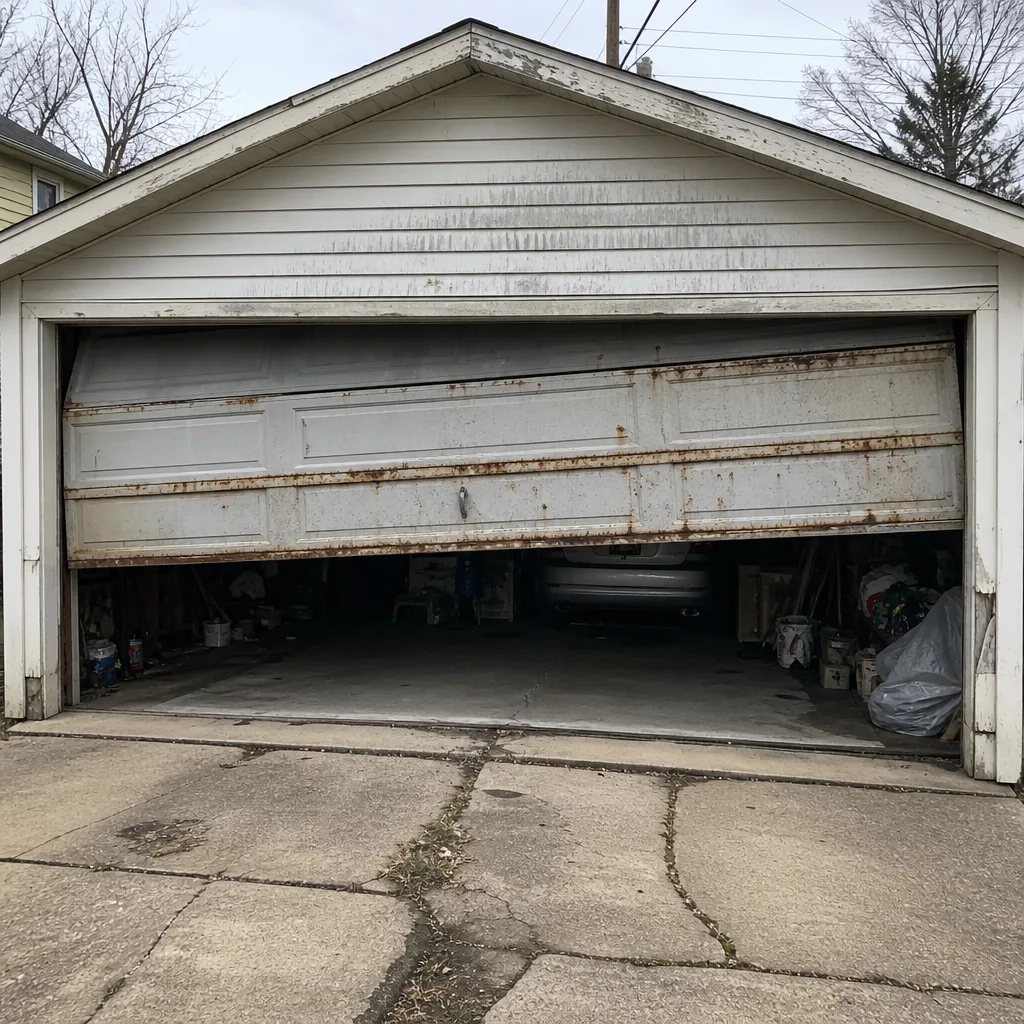 Before
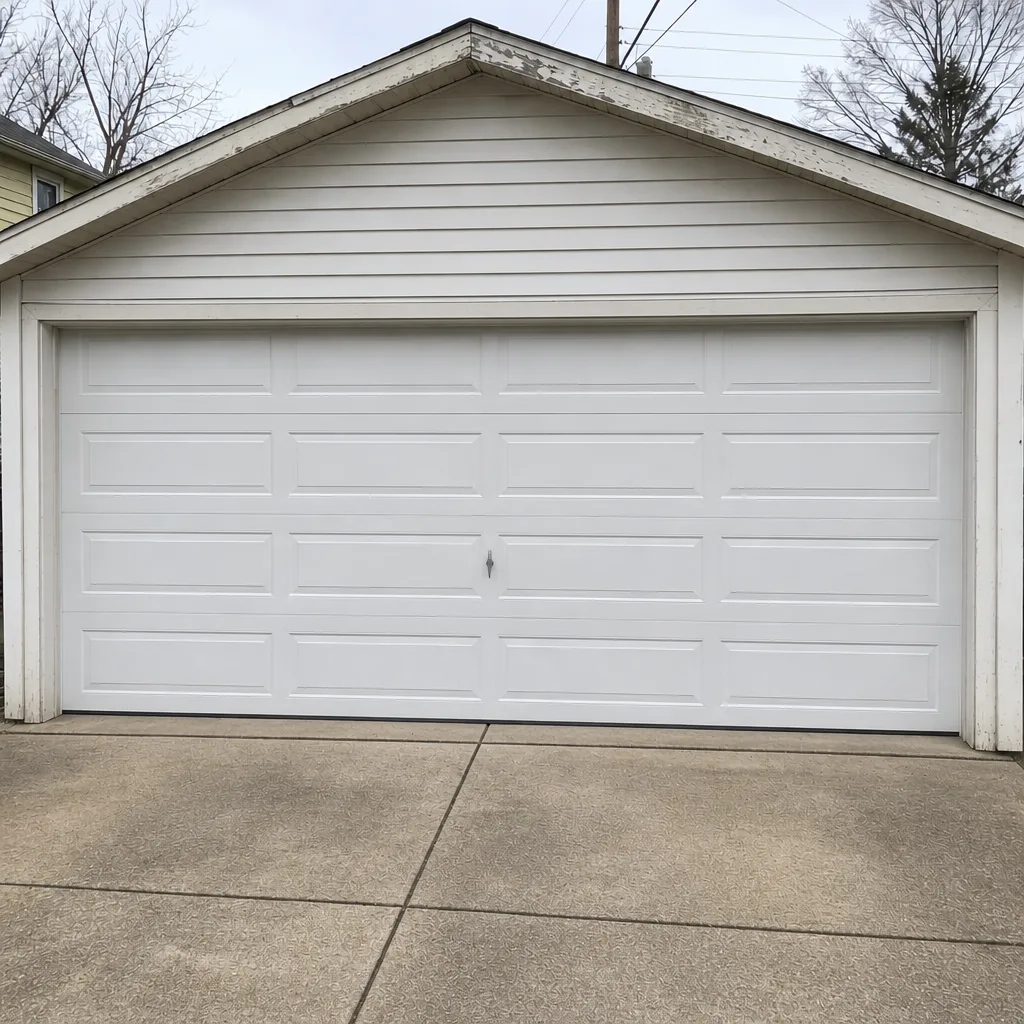 After
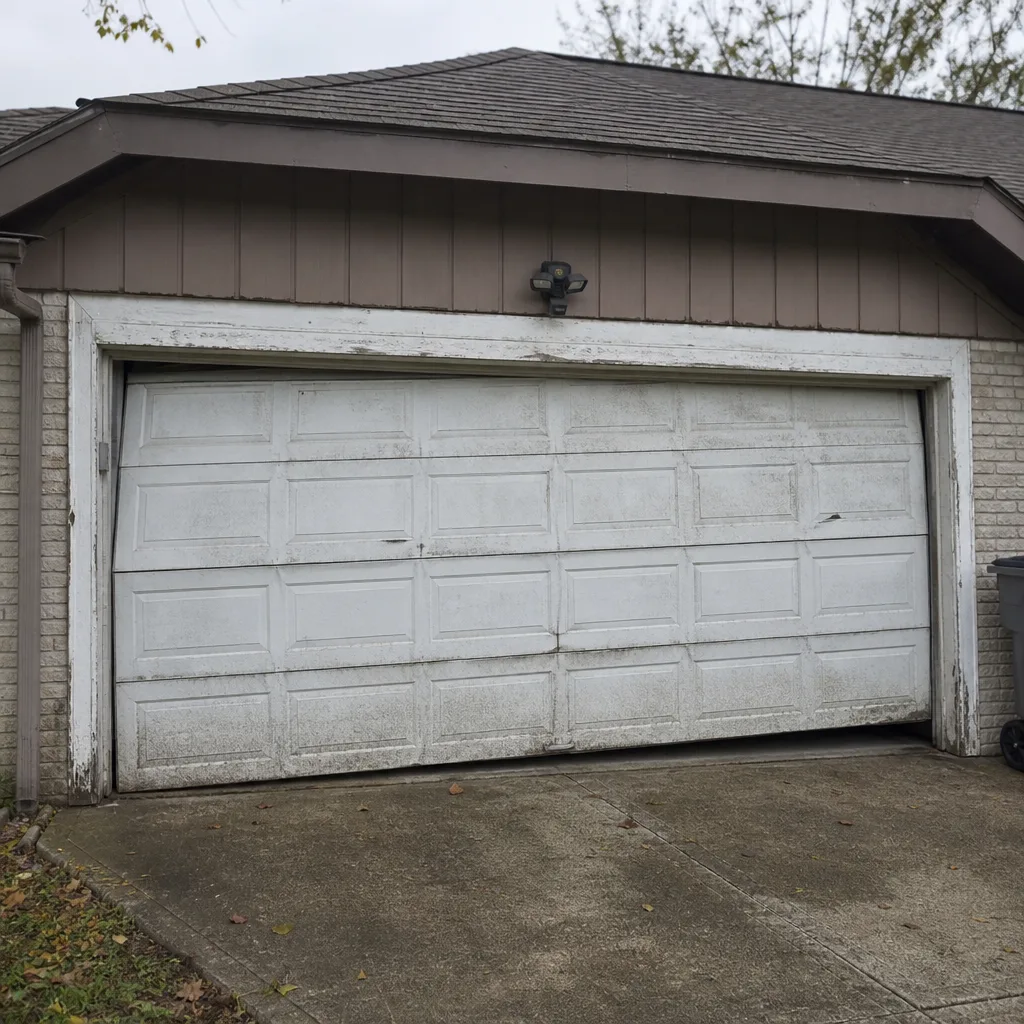 Before
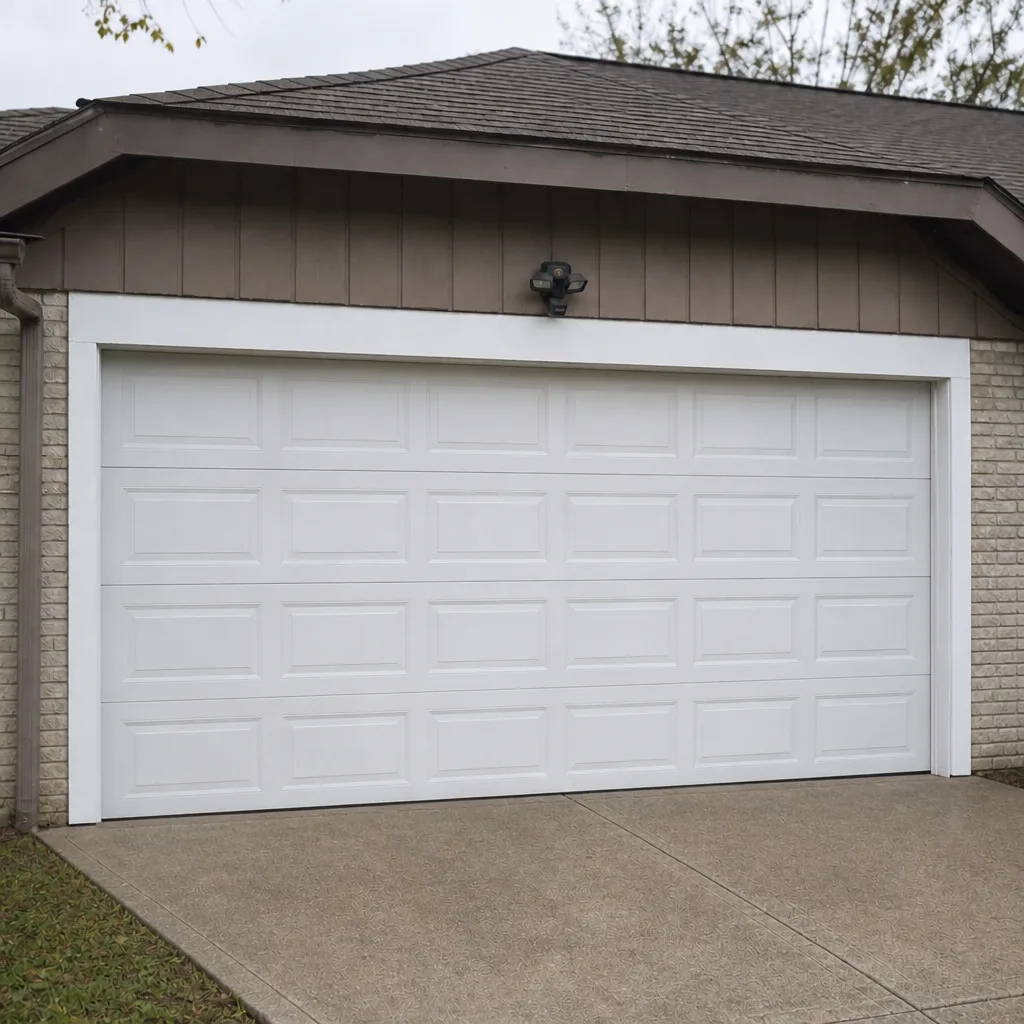 After
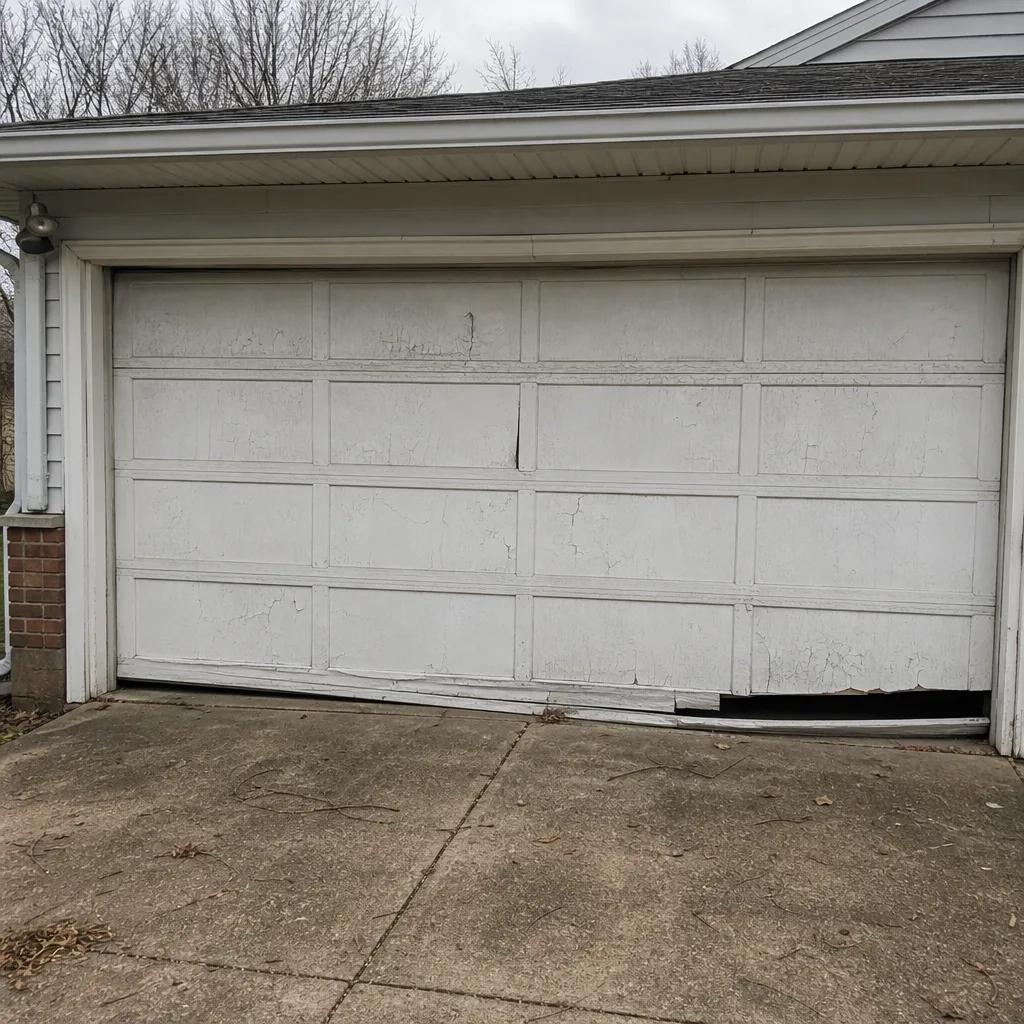 Before
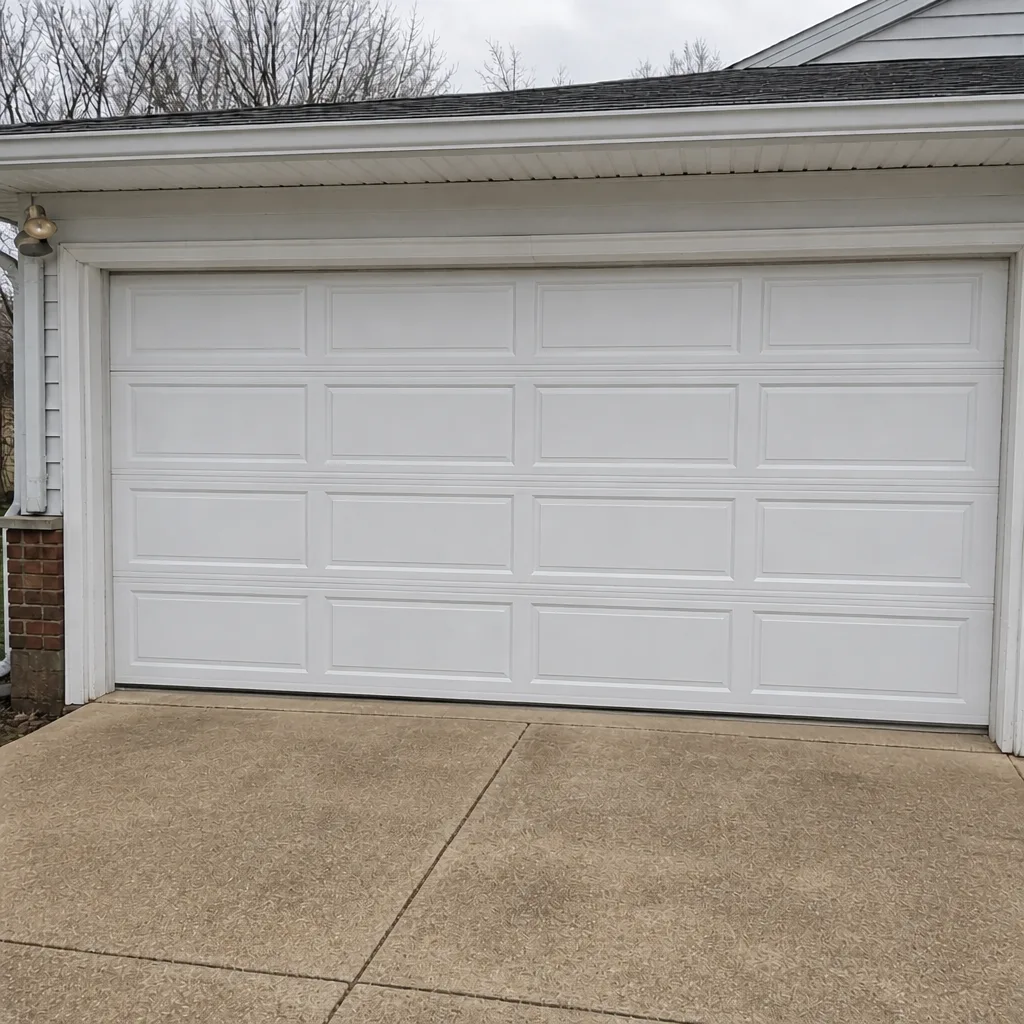 After
When to Call a Professional
Call a professional the moment a spring or cable has failed, the door is off its track or hanging unevenly, a vehicle is trapped and you can’t safely free it, or the door is stuck open to the street and won’t lower by hand. Those are the cases where forcing things yourself turns a repair into a much bigger job, or an injury. A door that just won’t respond to the opener, with the door itself sitting closed and secure, can usually wait for a normal appointment. When in doubt, a quick call settles it. Dayton Garage Door Repair Co offers free estimates in Dayton. Call (877) 704-1590 and describe what you’re seeing; we’ll tell you honestly whether it’s a tonight problem or a tomorrow problem.
Frequently Asked Questions
Pull the red manual release cord hanging from the opener trolley to disconnect the door from the motor, then lift the door by hand. A door in good working order with intact springs is manageable by hand if you lift it evenly. Check that the bottom seal isn’t frozen to the floor first, and never force a door that feels too heavy, because that usually means a spring problem.
A broken spring is an emergency when the door is stuck open or a vehicle is trapped, but the spring itself should never be touched by anyone but a trained technician. The danger is the stored energy and the dead weight of the door once the tension is gone. Secure the door, keep people and pets clear, and call. Estimates are free, so there’s no reason to sit on it.
Many common garage door problems, including spring replacement and opener faults, are same-day jobs once you’re on the schedule. Fast dispatch from 7am to 7pm covers standard-hours calls, and we answer 24/7, so calling early in the day gives the best chance of getting the door sorted that day. Call (877) 704-1590 for an exact quote.
No, the written quote is the price. We look at the door and opener, diagnose what’s actually wrong, and quote the job before any work starts, so you agree to the number up front. If we find something extra once we’re into it, we tell you and re-quote before touching anything, never after. Call (877) 704-1590 for a free estimate.
Lower the door by hand as far as it will go after releasing the opener, brace the bottom from inside with a rigid board, and clamp the track just above a roller to keep it from sliding up. Don’t run a chain or cable across the outside, and don’t prop a door that’s under a loaded spring. Then call for the repair.
The local professionals we connect you with are licensed and insured as their state requires, and they specialize in garage doors and openers rather than general repair. Our technicians have up to 10 years of experience, and every call is focused on one trade. Call (877) 704-1590 if you’d like details before booking.
The Bottom Line
Garage door emergencies in Dayton are decided in the first ten minutes, and the homeowner who’s prepared wins those ten minutes. Know where your release cord is and how it feels. Keep the door and opener details in a phone note. Have a brace, a couple of clamps, and a saved service number ready. Understand the difference between a stuck-open door that needs securing tonight and a closed door that can wait for morning. And never, ever try to work on a loaded spring yourself. That’s the whole plan. Pull it together once, before anything breaks, and the next failure is a nuisance instead of a crisis. Call Dayton Garage Door Repair Co at (877) 704-1590 for a free estimate any time you need one.
Written by the team at Dayton Garage Door Repair Co.